
Firearms enthusiasts constantly seek reliable and affordable options for target practice and home defense. Many modern shooters wonder about the 10 budget guns that used to be great but recently lost their appeal. Certain manufacturers originally built legendary reputations by providing incredible value without sacrificing overall durability. Unfortunately, corporate buyouts and changing production standards slowly degraded the quality of these once-beloved firearms. Cost-cutting measures replaced machined steel components with cheap plastic alternatives. Buyers now face frustrating malfunctions instead of enjoying a smooth day at the range. Examining these specific models helps buyers make smarter purchasing decisions today.
Classic American Pump Action Shotguns
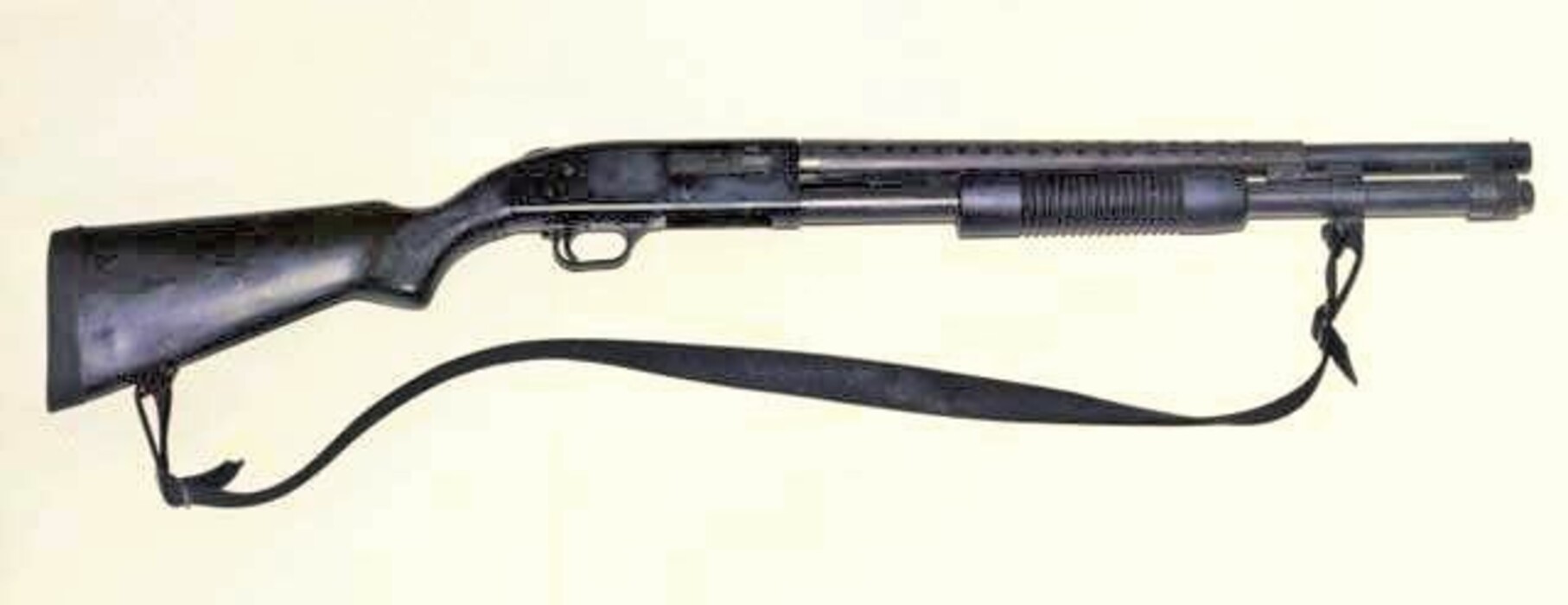
Generations of hunters relied on legendary pump-action shotguns to harvest game and protect their rural homes. These rugged firearms once featured beautiful hardwood stocks and deeply blued steel receivers that lasted multiple lifetimes. Corporate restructuring eventually forced major manufacturing changes that destroyed this proud legacy. New ownership groups demanded lower production costs and replaced polished finishes with rust-prone coatings. Factory workers started installing brittle plastic trigger guards that break easily under heavy field use. Modern outdoorsmen frequently discover their brand new budget shotguns jamming repeatedly during essential survival training and important weekend hunting trips.
Vintage Military Surplus Rifles

Decades ago, shooters purchased massive wooden crates filled with historical military surplus rifles for practically nothing. These heavy bolt-action weapons offered incredible reliability and fantastic accuracy for very little money. The international supply of these pristine historical artifacts eventually dried up entirely. Importers now struggle to find decent batches of rifles sitting inside forgotten overseas warehouses. Current shipments usually contain heavily damaged models featuring cracked wooden stocks and completely rusted barrels. Buyers pay premium prices for absolute garbage that barely functions properly at the local firing range. These once legendary budget firearms now represent terrible investments entirely.
Traditional Lever-Action Carbines
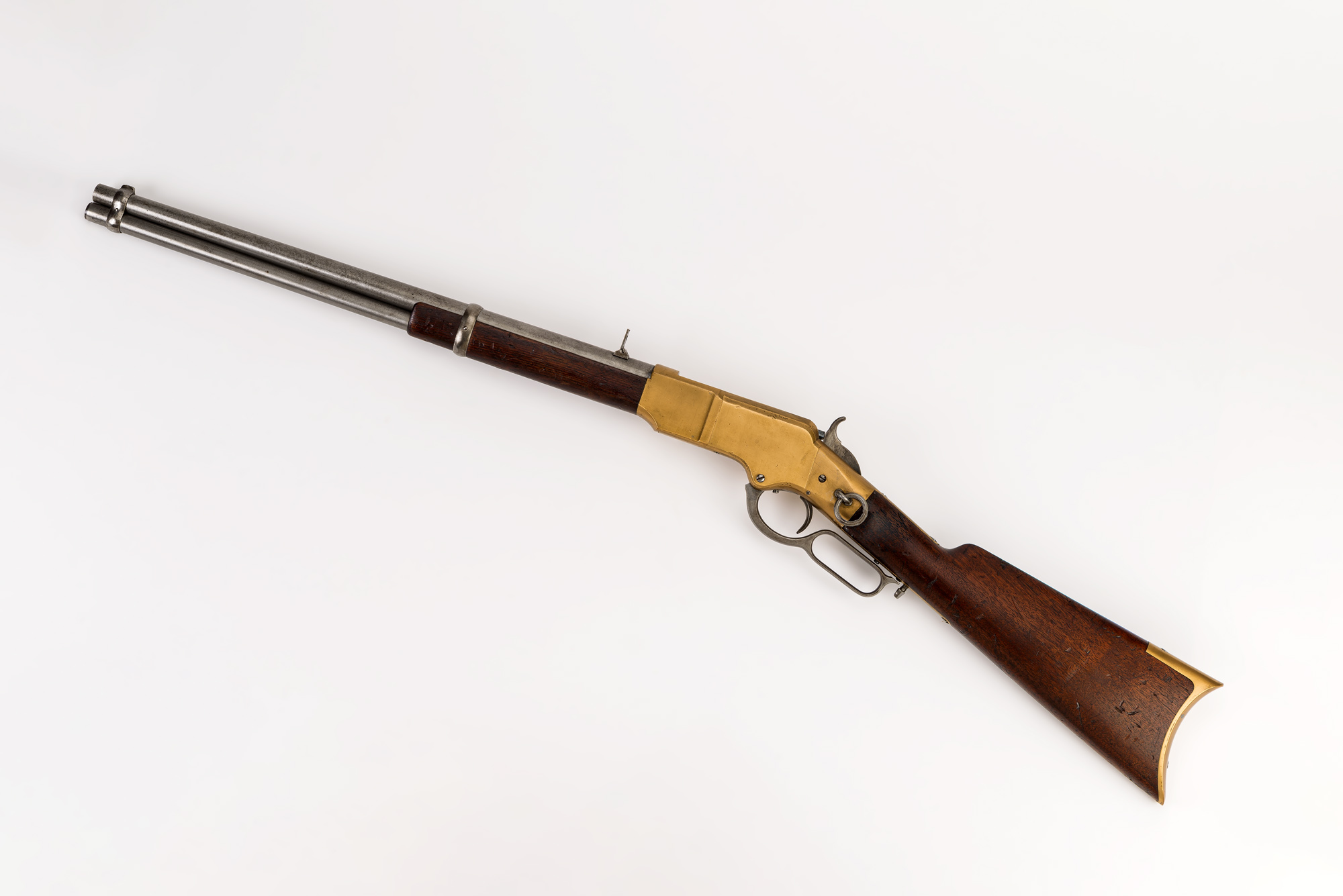
Western-style lever-action carbines dominated the hunting market for generations because they delivered rapid follow-up shots. Early models featured buttery smooth actions and gorgeous walnut furniture that owners proudly displayed inside their homes. Modern budget versions severely lack the precise hand-fitting that made original designs so incredibly famous. Manufacturers shifted toward automated machinery that leaves sharp metal burrs inside the receiver housing. Cycling the action today feels extremely gritty and frequently causes ammunition feeding failures. These classic brush guns lost their legendary reliability when factory accountants started prioritizing speed over careful craftsmanship entirely.
Tube Fed Rimfire Rifles

Millions of young shooters learned fundamental marksmanship skills using inexpensive tube-fed rimfire rifles. These simple backyard plinkers once operated flawlessly despite enduring decades of horrible neglect and minimal cleaning. The steep decline began when factories outsourced vital internal springs and stamped metal parts to foreign suppliers. Modern budget rimfire models suffer from constant extraction issues that absolutely ruin afternoon target sessions. The loading tubes frequently dent and prevent fresh cartridges from sliding downward into the firing chamber smoothly. Parents now hesitate to purchase these iconic starter rifles because endless mechanical jams frustrate impatient young learners instantly.
Entry Level Bolt-Action Rifles

Affordable bolt-action rifles previously provided amazing out-of-the-box accuracy for budget-conscious hunters. Old designs utilized heavy wooden stocks that effectively stabilized the barrel during long-distance outdoor shots. Current entry-level models feature incredibly flimsy polymer stocks that bend wildly under minimal pressure. This severe structural flexing destroys barrel harmonics and completely ruins downrange consistency. Manufacturers also started utilizing cheap, unpolished triggers that feel remarkably heavy and utterly unpredictable. Squeezing these terrible triggers pulls the crosshairs completely off the intended target. Hunters absolutely refuse to trust these flexible plastic toys during important wilderness expeditions today.
Budget Polymer Pocket Pistols
The initial wave of tiny polymer pocket pistols revolutionized the entire concealed carry market instantly. Citizens eagerly purchased these affordable, lightweight handguns to maintain personal safety during daily city errands. The novelty quickly faded when owners discovered the agonizing physical reality of shooting micro compact firearms. Minimal grip texture and terrible ergonomics magnify perceived recoil into sharp hand pain rapidly. The terribly heavy double-action triggers make shooting tight groups virtually impossible past five yards. Consumers quickly realized these cheap defensive tools lack the practical handling characteristics required to stop immediate violent threats confidently and safely under intense pressure.
Mass-Produced Steel Revolvers

Classic steel revolvers originally built their fierce reputation upon absolute mechanical perfection and rugged reliability. Older budget models featured solid forged frames that easily handled thousands of heavy magnum rounds. Modern iterations severely disappoint buyers because they utilize cheaper cast metals and completely ignore strict quality control standards. Cylinders frequently fail to lock tightly into place before the firing pin strikes the primer. This catastrophic timing issue shaves dangerous lead fragments directly toward the shooter during range sessions. Enthusiasts simply refuse to gamble their personal safety on poorly assembled budget revolvers that lack essential structural integrity and careful timing.
Economical Semi Automatic Shotguns
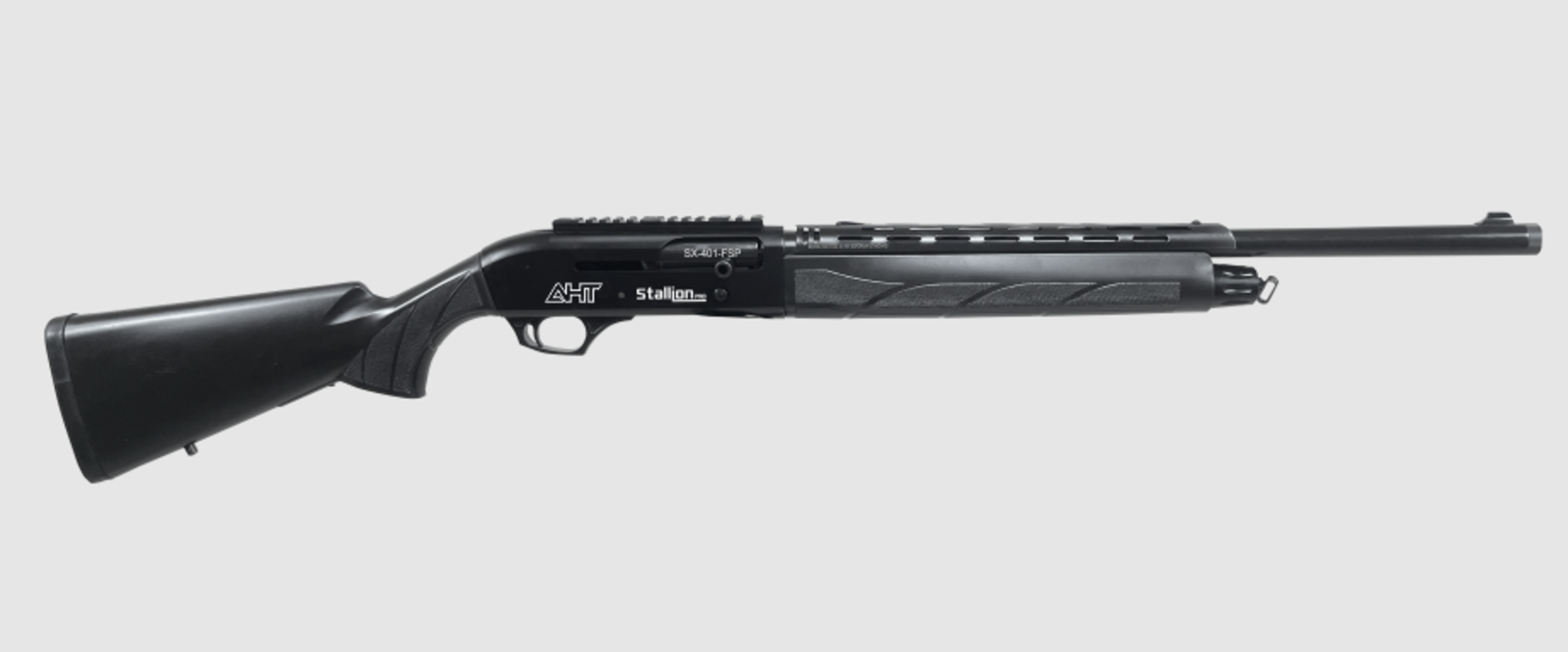
Gas-operated shotguns provide amazing recoil reduction for high-volume sporting clay shooters and waterfowl hunters. Initial budget offerings performed admirably by copying expensive proprietary gas systems successfully. The current generation, unfortunately, cuts dangerous corners by utilizing brittle rubber internal seals that deteriorate rapidly. These cheap rubber rings crack under extreme pressure and allow essential operating gases to escape entirely. The weapons instantly become useless, single-shot heavy sticks that completely ruin competitive matches. Serious competitors gladly spend extra money to avoid the constant frustration associated with clearing nasty stovepipe malfunctions from these terrible budget shotguns every weekend.
Compact Aluminum Frame Pistols
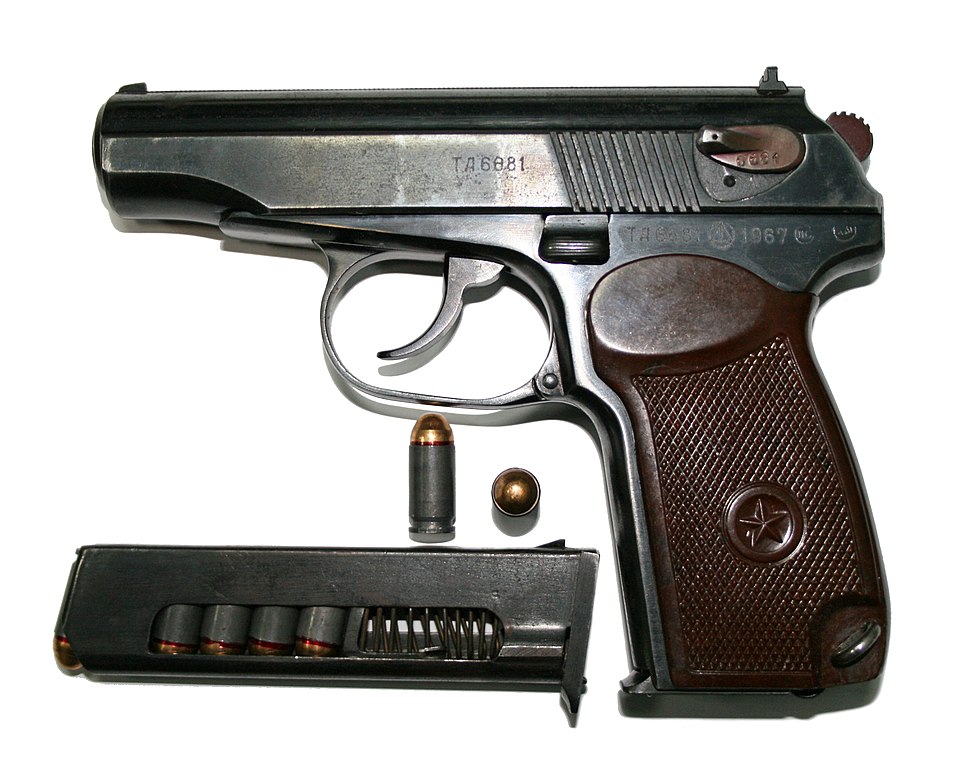
Aluminum frame handguns bridged the crucial gap between heavy steel service weapons and lightweight polymer designs. Law enforcement agencies praised early models for their perfect balance and exceptional durability during demanding foot patrols. Modern budget manufacturers ruined this delicate formula by rushing the aluminum anodizing process aggressively. The cheap outer finishes wear down immediately inside rigid holsters and expose bare metal to corrosive sweat. Inconsistent frame rail machining creates massive friction points that dangerously slow down the slide cycling speed. Shooters experience endless feeding failures when these poorly constructed budget frames heat up during rapid firing drills outdoors.
Classic Target Shooting Pistols

Precision target pistols once guaranteed incredible accuracy for casual weekend plinkers and serious Olympic competitors alike. Older budget versions faithfully replicated expensive target grips and featured beautifully crisp single-action triggers out of the box. Today, companies slap the target label onto completely standard handguns just to charge eager consumers extra cash. These fake competition models possess the same mushy trigger mechanisms found on basic defensive pistols. Shooters notice absolutely no measurable improvement in their overall group sizes despite the deceptive marketing campaigns. Authentic accuracy requires genuine mechanical tuning rather than shiny paint and empty corporate promises.