Understanding bird behavior helps you read the forest long before you see any animals. Birds react instantly to changes in weather, predators, human movement, and food activity, making them one of the most reliable natural indicators outdoors. When you learn to notice how they fly, vocalize, or gather, you start to understand hidden events happening behind the trees. These behaviors provide clues about danger, feeding activity, and shifts in the environment. Each sign is visually clear, easy to observe, and extremely useful for hikers, hunters, and bushcraft practitioners.
1. Sudden Silence After Steady Chirping
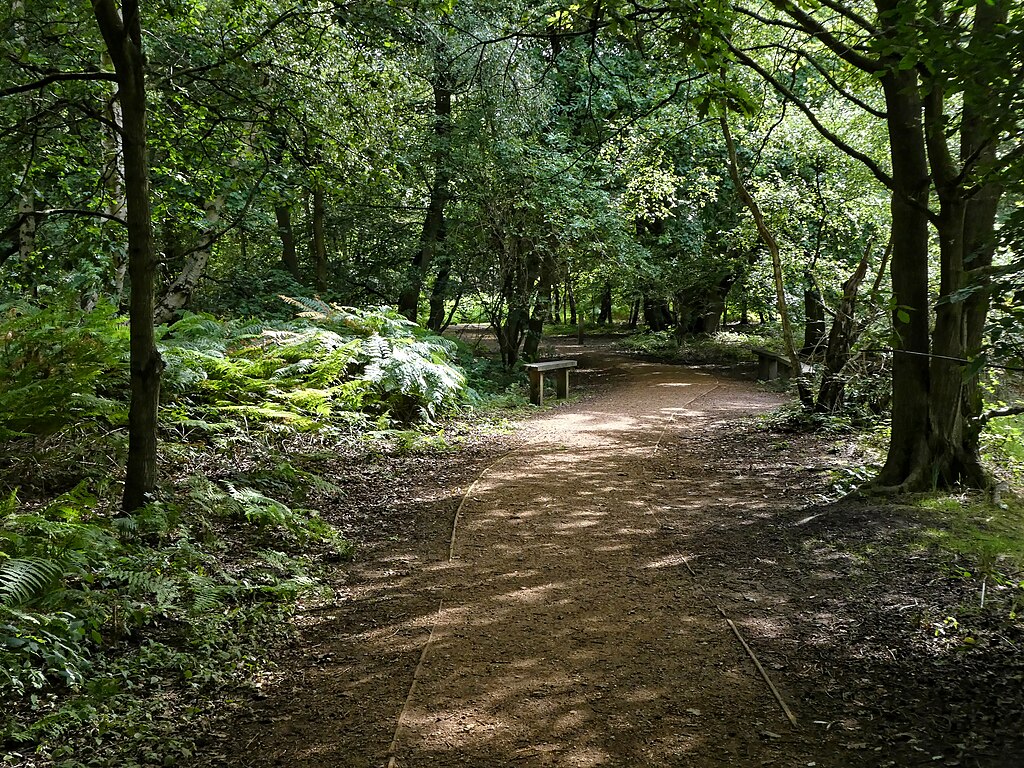
A forest that was filled with consistent chirping and light movement can fall quiet when a predator enters the area. Birds freeze to avoid attention, creating an unnatural calm that signals something is approaching. This silence usually spreads outward, forming a sound “bubble” that helps you judge direction and distance. The shift is easy to notice because it interrupts the normal rhythm of the forest. When everything goes still at once, birds are reacting to danger, whether a hawk, fox, or human is moving nearby. Watching this sudden change tells you something is disturbing the ecosystem.
2. Loud Alarm Calls Following a Single Movement
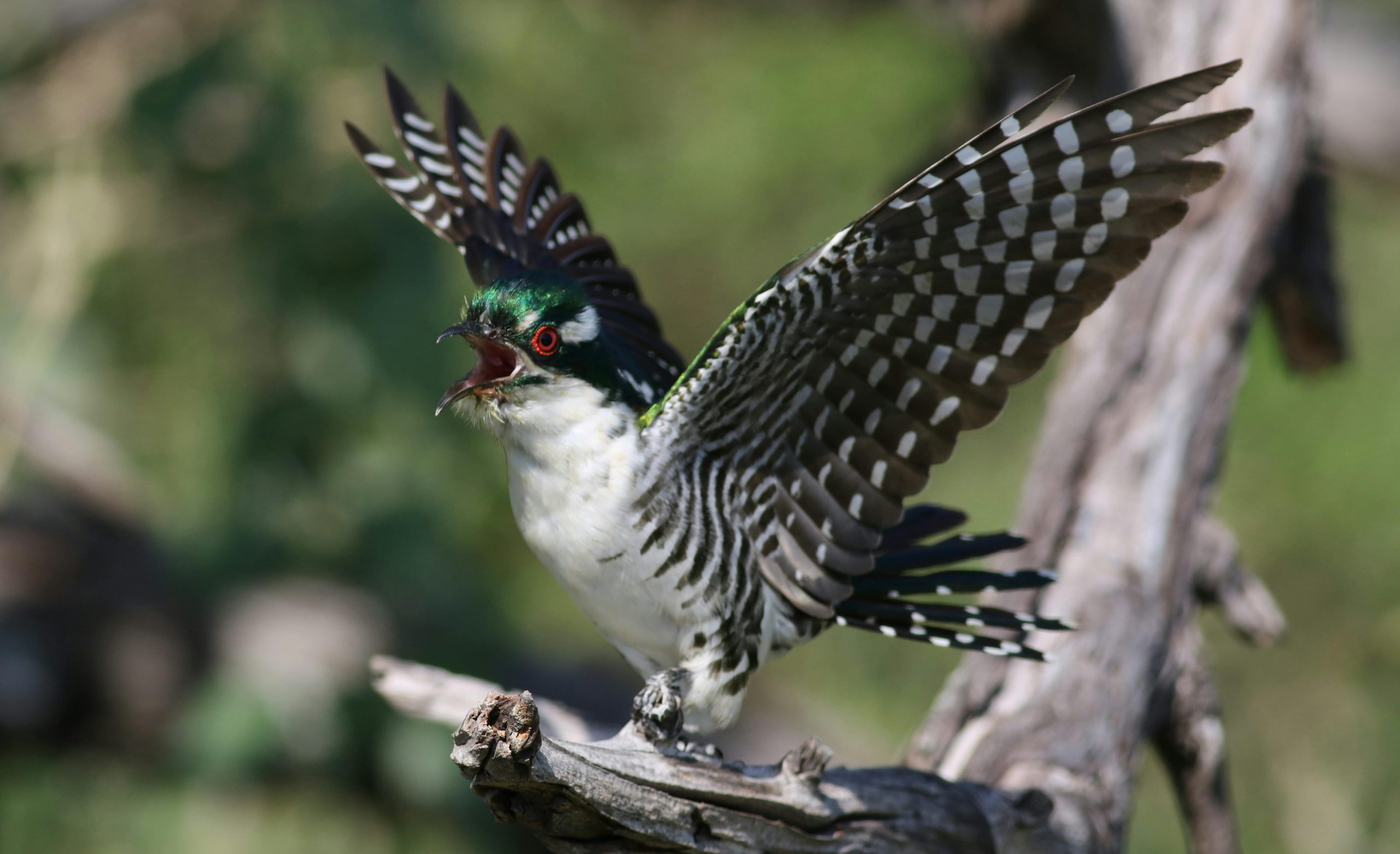
Birds use sharp, repetitive calls when they sense an immediate threat. These calls have a higher urgency than normal chirping and often spread between species. The behavior usually starts when one bird spots a predator and reacts first, sending a signal that others quickly copy. Alarm calls can reveal the exact direction of movement if you follow the rising and falling intensity of the sound. The noise continues until the danger passes. This reaction is highly visible and easy to recognize because the birds may fly between branches, flick their tails, or hop nervously.
3. Low Fast Flights Close to the Ground
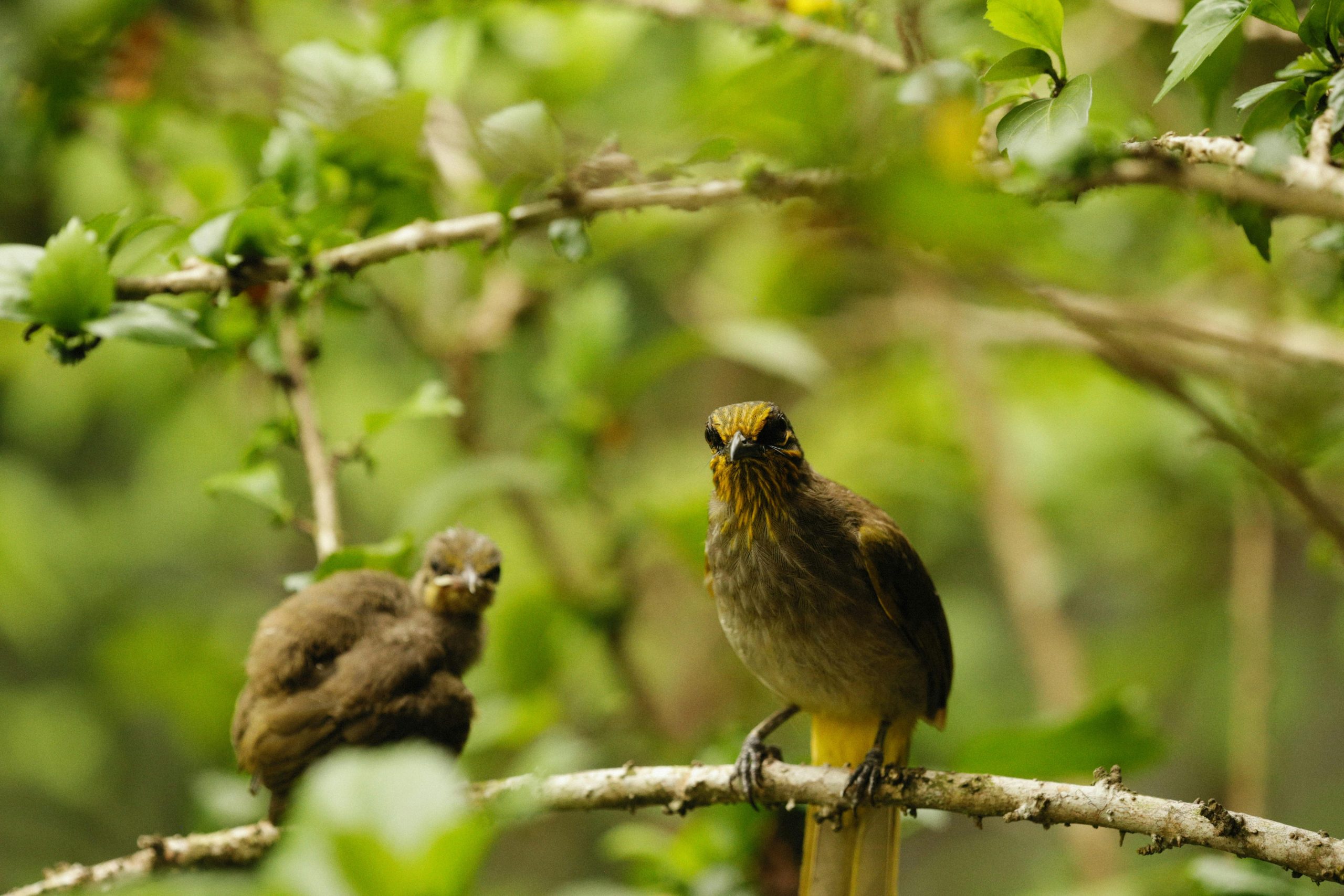
When birds suddenly shift to flying near the ground, they may be avoiding strong winds, aerial predators, or an approaching weather change. These flights are straight, fast, and rarely involve high climbs. The behavior often signals that conditions above the canopy are unsafe. In some cases, birds skim low over open areas to escape larger birds hunting from above. This movement pattern gives you clues about atmospheric pressure, predator activity, and approaching storms. Watching these low flights helps you sense changes that are not yet felt on the ground.
4. Birds Gathering in Large Mixed Flocks
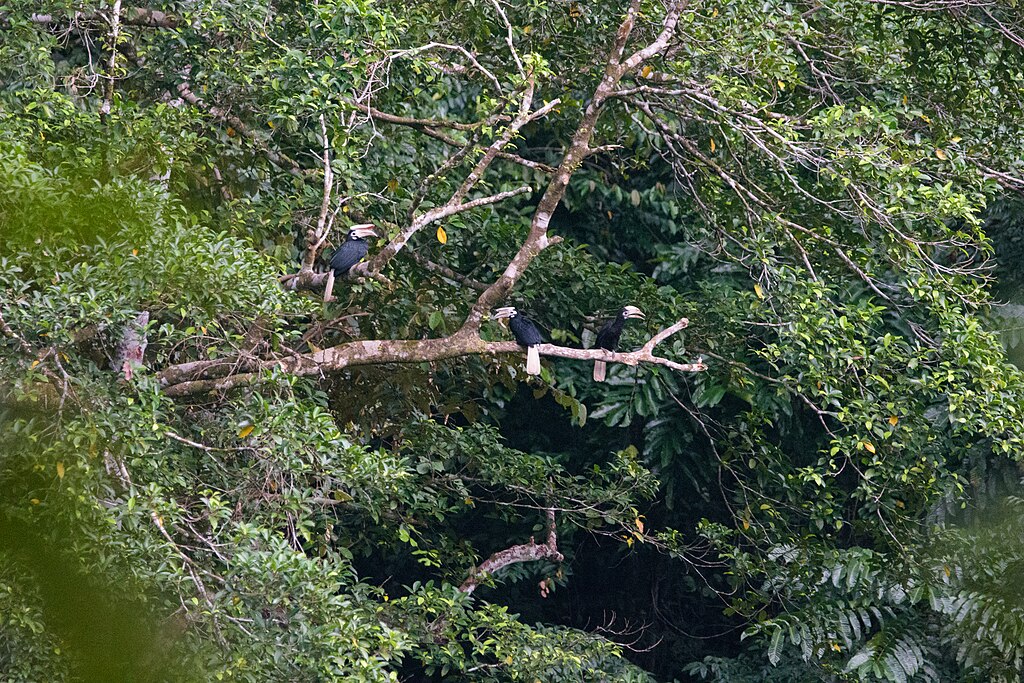
Mixed flocks form when different species gather for shared feeding or added protection. When you see groups hopping through trees together, it often means insects are active, or weather conditions are stable enough for movement. These flocks combine the strengths of each species, allowing better detection of danger and more efficient foraging. Their constant movement through branches highlights productive feeding zones. The sudden appearance of a mixed flock tells you the forest is safe, food is abundant, or temperatures are shifting in a favorable direction.
5. Woodpeckers Drumming More Frequently
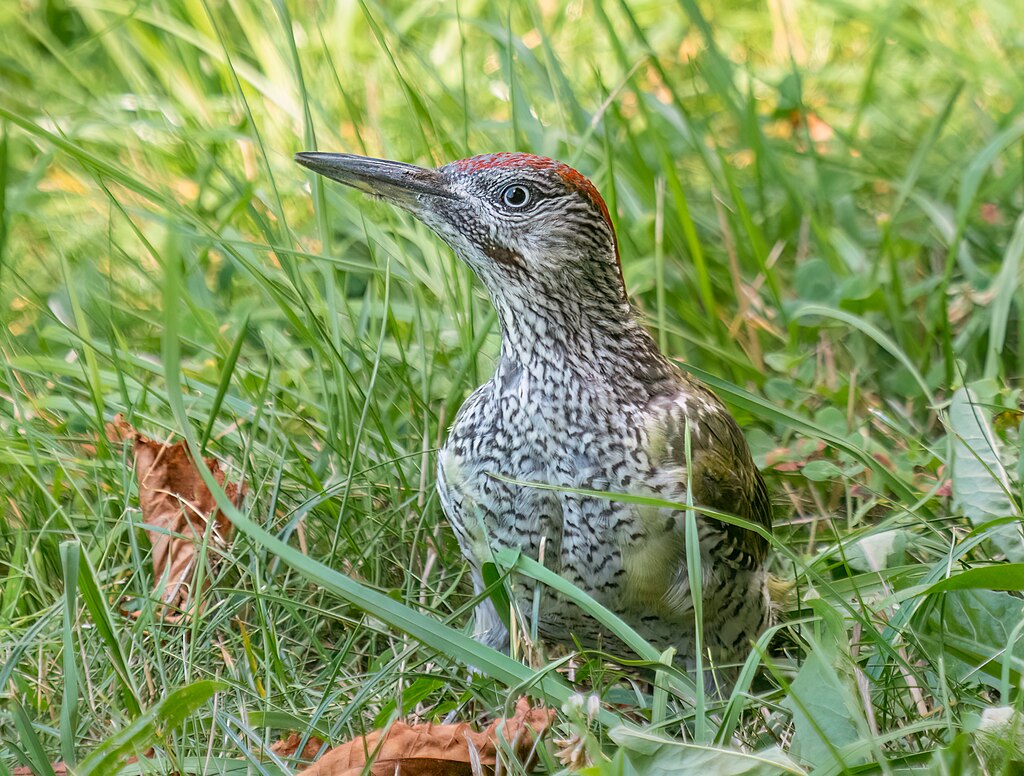
Frequent drumming suggests territorial activity, increased insect presence, or early nesting behavior. Woodpeckers use repetitive strikes to communicate with others nearby, and the intensity often changes depending on season or food availability. When drumming becomes more common, it can mean insects under bark are active, or the breeding season is approaching. The sound pattern is rhythmic and carries across long distances, making it easy to detect. Paying attention to where the drumming comes from helps you locate both food sources and potential nests.
6. Birds Circling High Above the Canopy
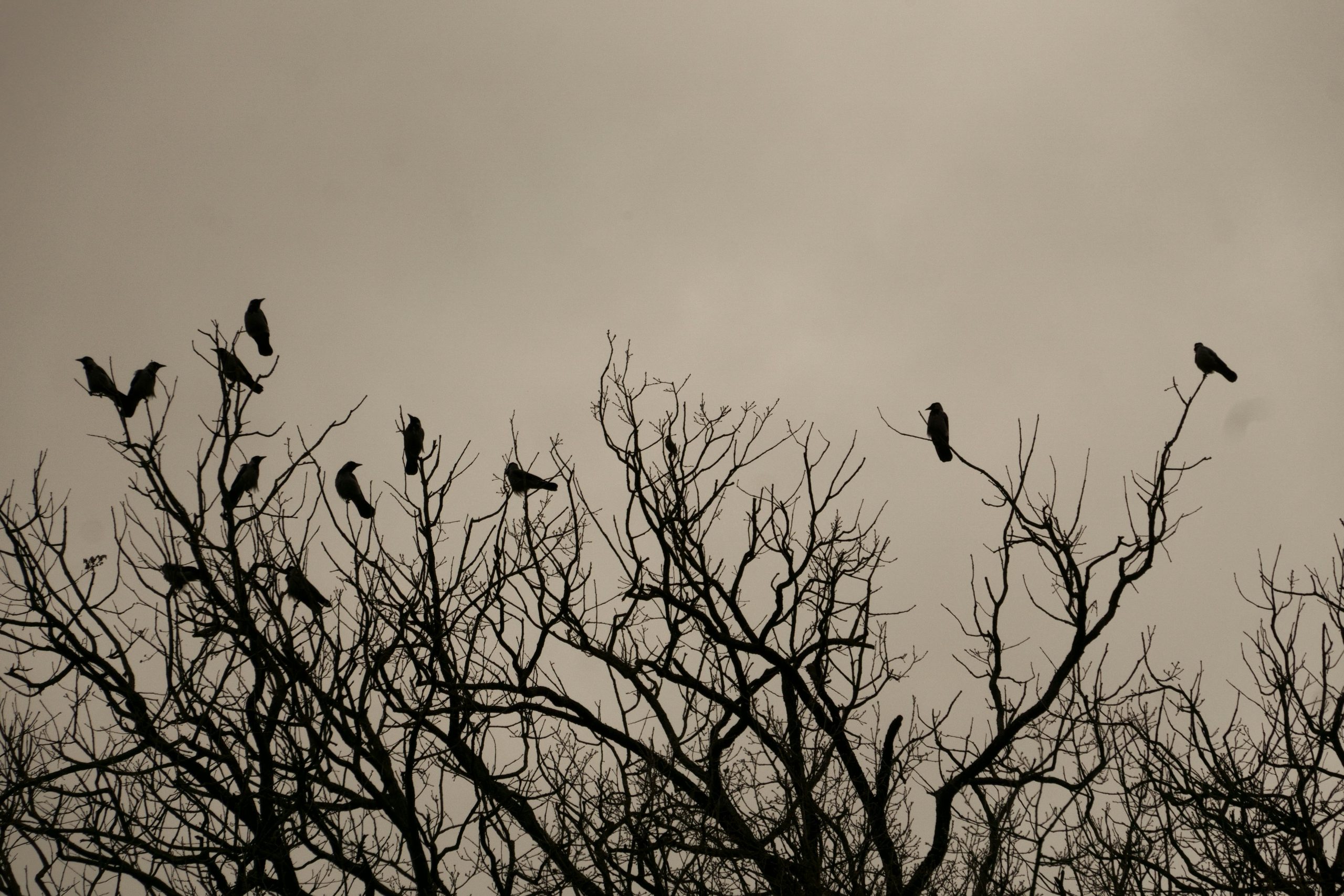
High circling is a sign that birds are scanning for prey, riding rising air currents, or observing movements on the ground. Hawks, vultures, and other large birds follow thermals that lift them upward. When several birds circle in the same area, it often means something below has caught their interest. The slow, wide circles are easy to spot against the sky. This behavior helps you understand where animal activity is concentrated and whether a carcass or injured animal might be present. Watching the pattern reveals the forest’s hidden dynamics.
7. Songbirds Hopping Rapidly Through Undergrowth
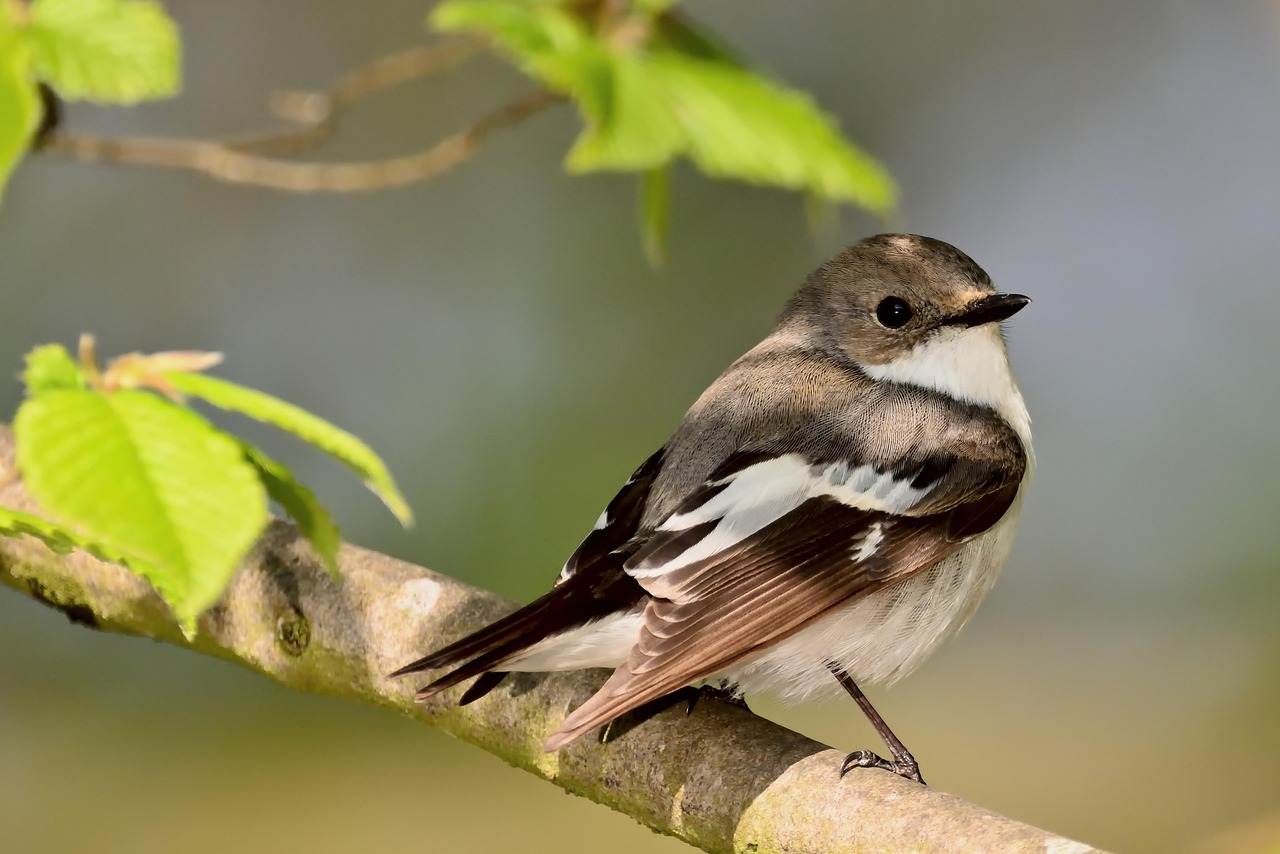
Songbirds move quickly when they are feeding on insects hidden in leaves or reacting to subtle shifts in temperature. Their hopping becomes a continuous motion that creates a ripple of activity through the undergrowth. This pattern often indicates recent rain or increased humidity, which brings insects closer to the forest floor. The behavior is easy to see because the birds flick their wings and tails while searching. Each movement shows where food is most abundant and how the environment is changing around them.
8. Birds Landing Repeatedly on One Tree
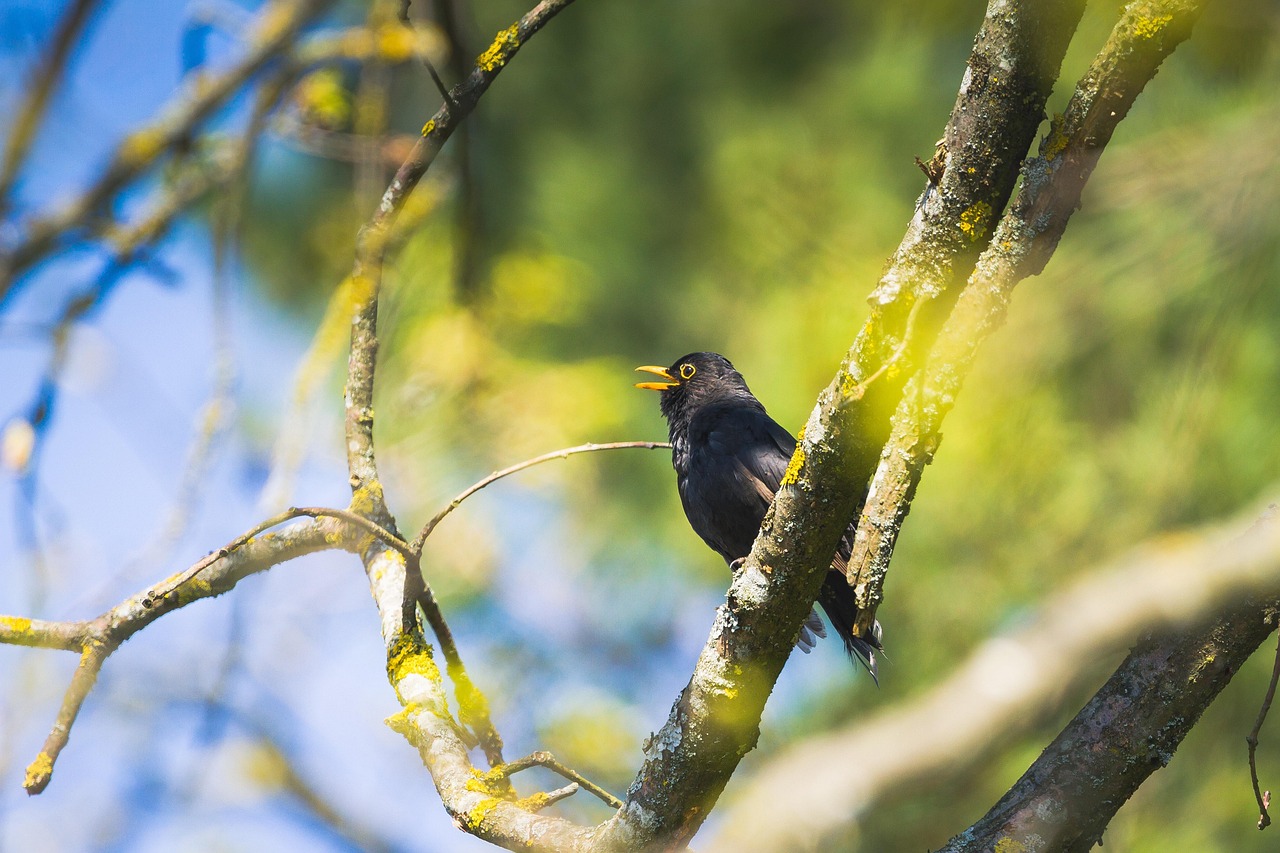
When birds return again and again to a single tree, it usually means that food, nesting material, or safety is concentrated there. They may be gathering insects, accessing sap, or checking cavities for nesting potential. The repeated landings create an obvious visual cue because the activity is centered in one place. This sign tells you that the tree is important in the forest’s microenvironment. Watching how many species use the same tree helps you understand food availability and resource competition.
9. Birds Perching on High Exposed Branches
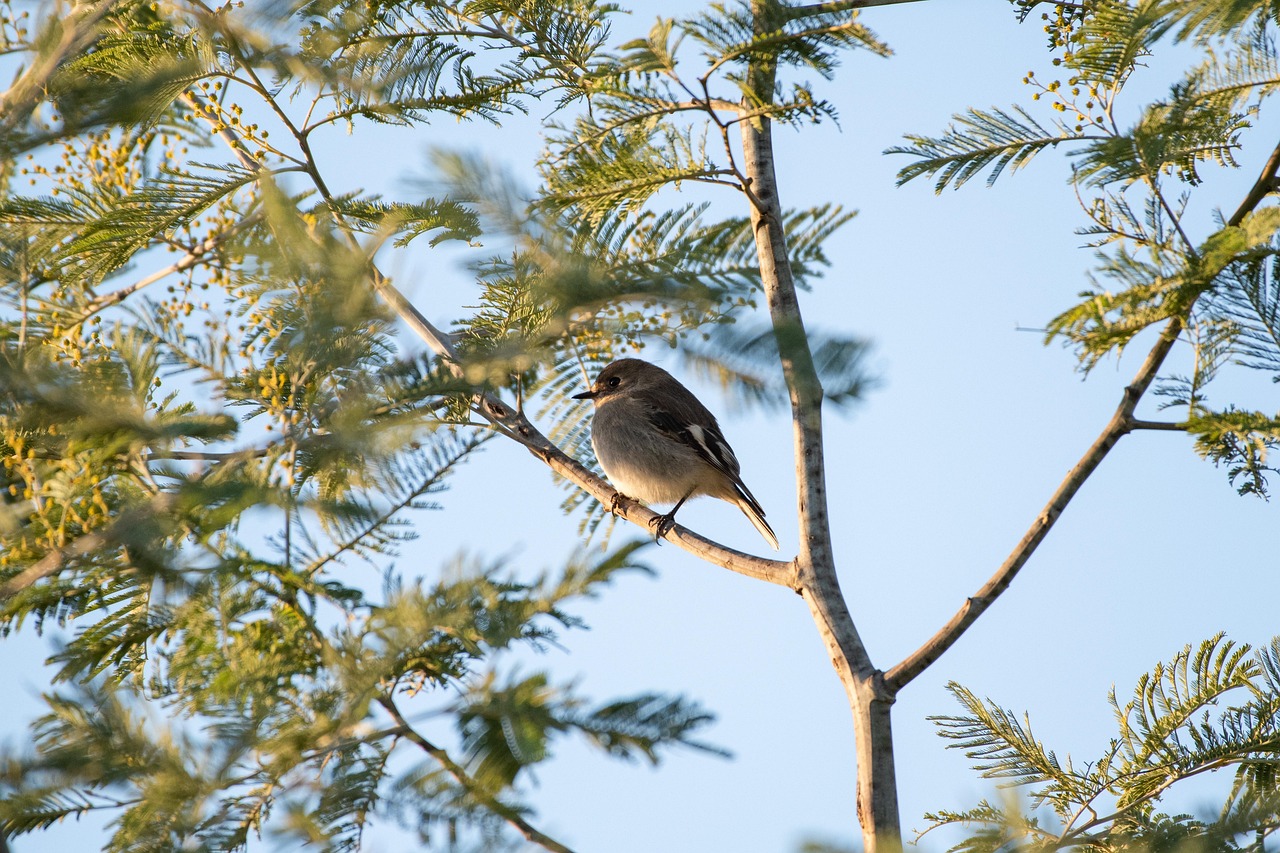
Birds that perch in open spots are usually watching for predators, scanning for food, or preparing to communicate. These positions give them a wide view of the forest, making them effective sentinels. The behavior becomes more common at dawn and dusk when visibility shifts. Their posture and alertness help you sense whether the forest is calm or experiencing active movement. When many birds take these elevated positions at once, it suggests good visibility and stable conditions.
10. Frequent Midair Chases Between Small Birds
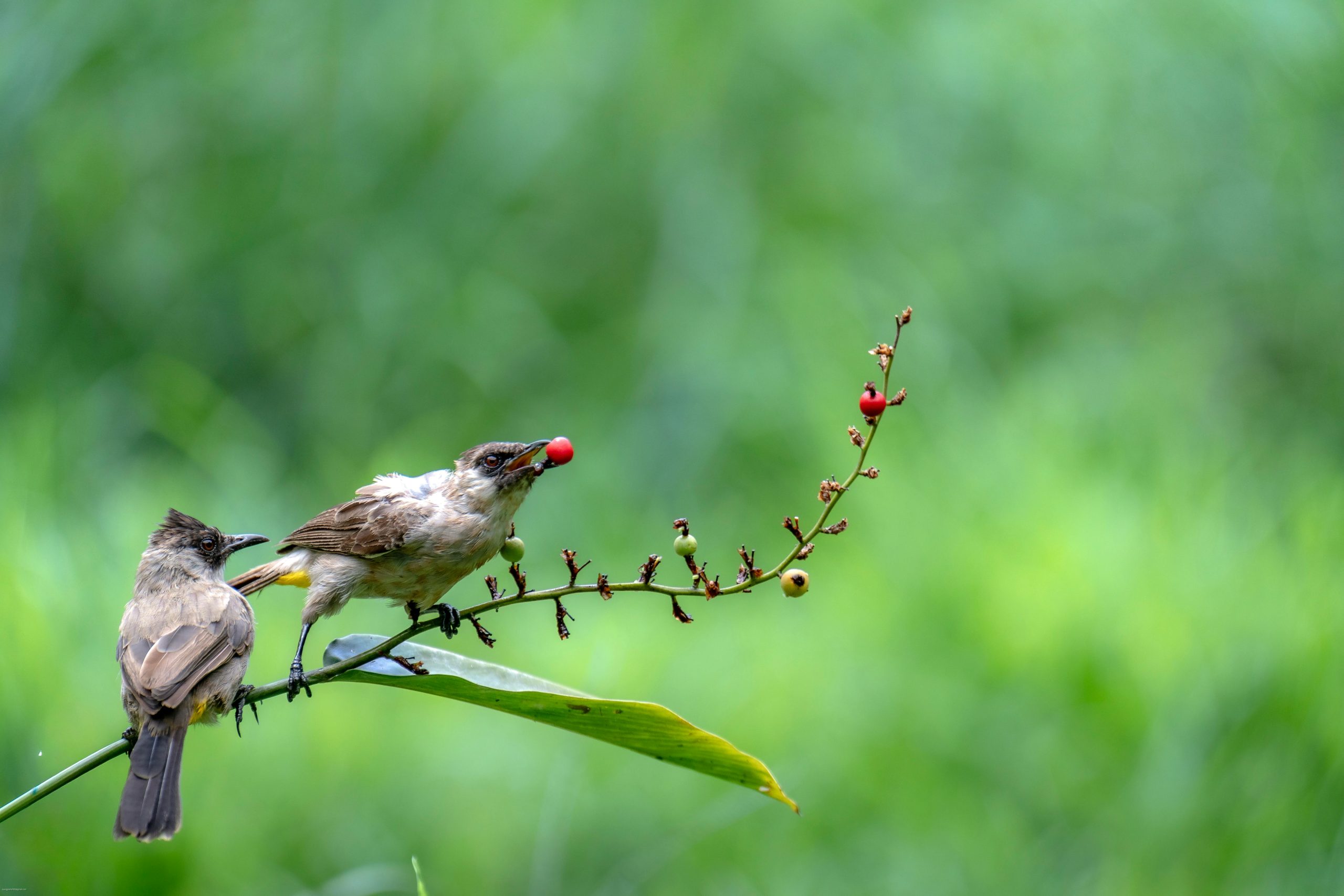
Chasing behavior often signals competition, territorial disputes, or feeding excitement. Small birds dart through branches and chase one another during times of high energy, such as early morning or late afternoon. These chases can indicate that food sources are plentiful, causing birds to defend their space. The movements are quick and easy to observe because the birds flash between branches with noticeable urgency. Watching these interactions gives you insight into resource distribution and seasonal shifts affecting forest life.