
Carrying a handgun every day comes with responsibilities that many people underestimate. Mistakes are rarely caused by bad intentions and are more often the result of poor habits, lack of preparation, or overconfidence. Even experienced carriers can develop routines that quietly introduce safety, legal, or practical problems. Understanding where people commonly go wrong helps prevent accidents before they happen. This list highlights real-world carry mistakes that affect comfort, readiness, judgment, and safety. Learning to avoid them makes everyday carry more responsible, consistent, and secure.
1. Choosing the Wrong Holster
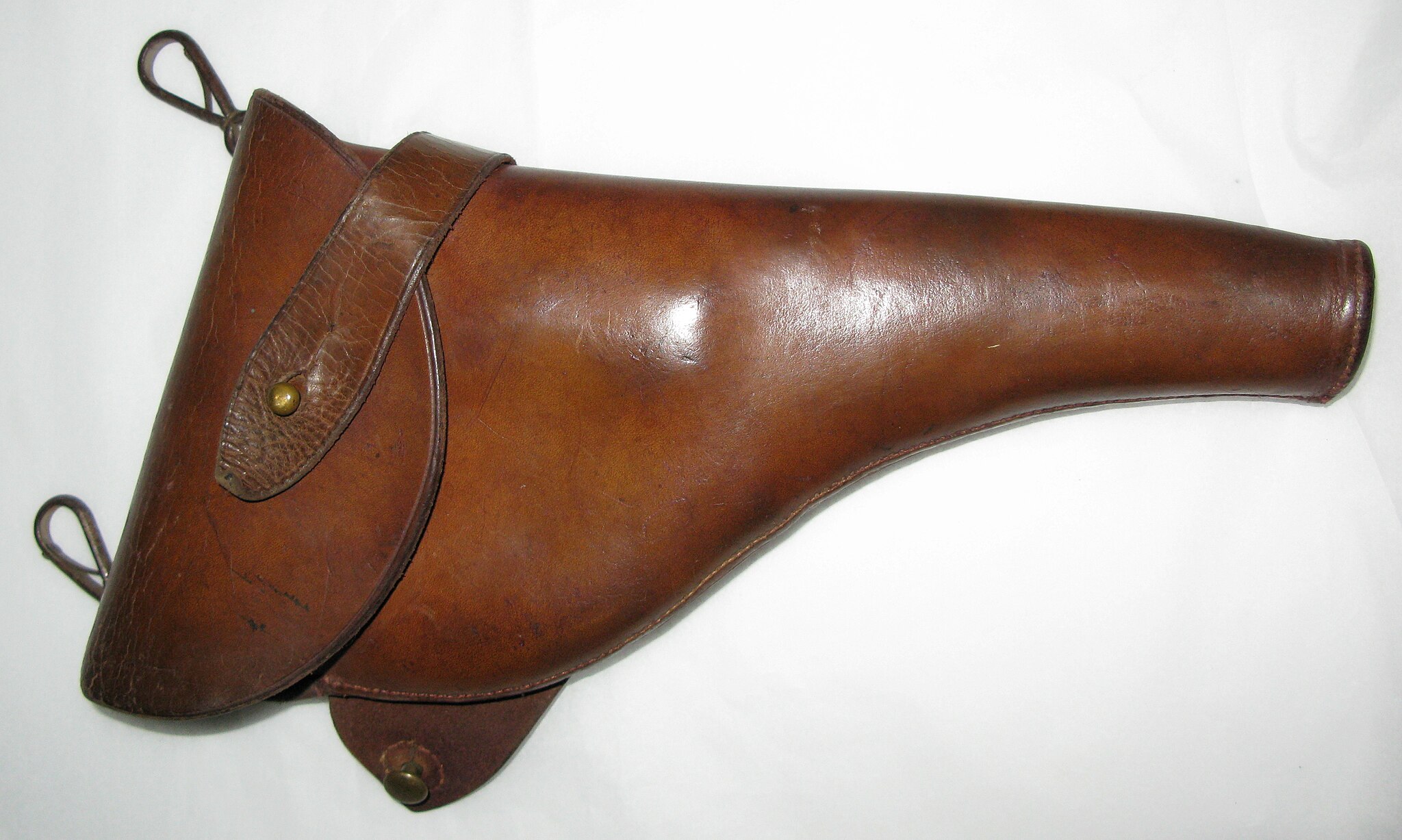
Selecting the wrong holster is one of the most common and dangerous mistakes people make when carrying a handgun. A poorly designed holster may fail to fully cover the trigger guard, increasing the risk of an accidental discharge. Soft or collapsing holsters can make reholstering unsafe, especially under stress. Weak retention allows the firearm to shift, tilt, or fall during movement. Comfort also matters because uncomfortable holsters often lead to inconsistent carry habits. A quality holster should secure the firearm firmly, protect the trigger completely, and remain stable throughout the day.
2. Ignoring Proper Training
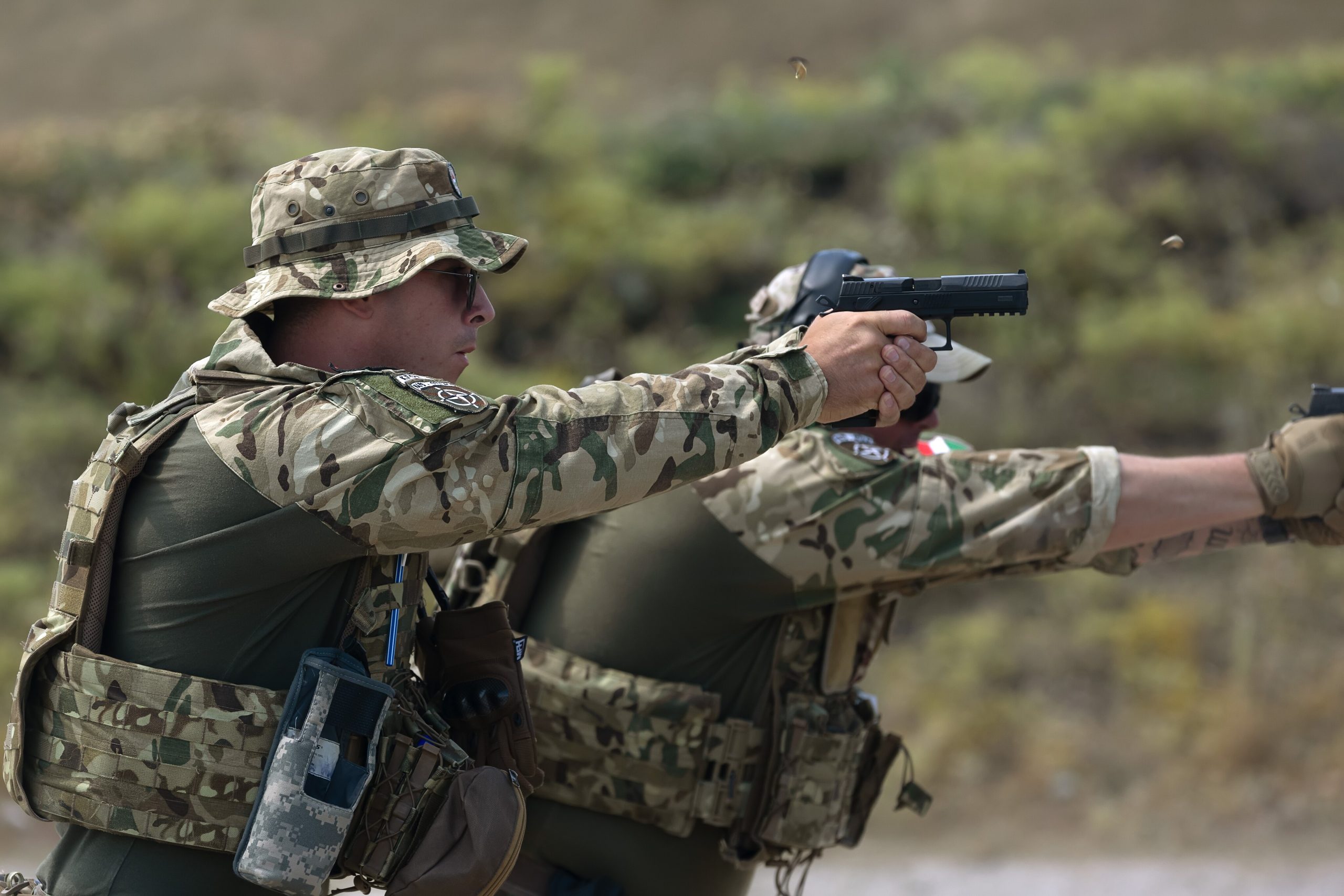
Many carriers assume basic familiarity with a handgun is enough, but real-world situations demand more than casual range experience. Without proper training, people struggle with safe draws, malfunction clearing, and stress management. Training also reinforces correct grip, trigger discipline, and movement awareness. Legal education is often overlooked, yet misunderstandings can lead to severe consequences. Regular training builds muscle memory and confidence while reducing hesitation and panic. Ignoring training creates false confidence that may fail under pressure. Responsible carry requires ongoing education, not just ownership.
3. Inconsistent Carry Condition Choices
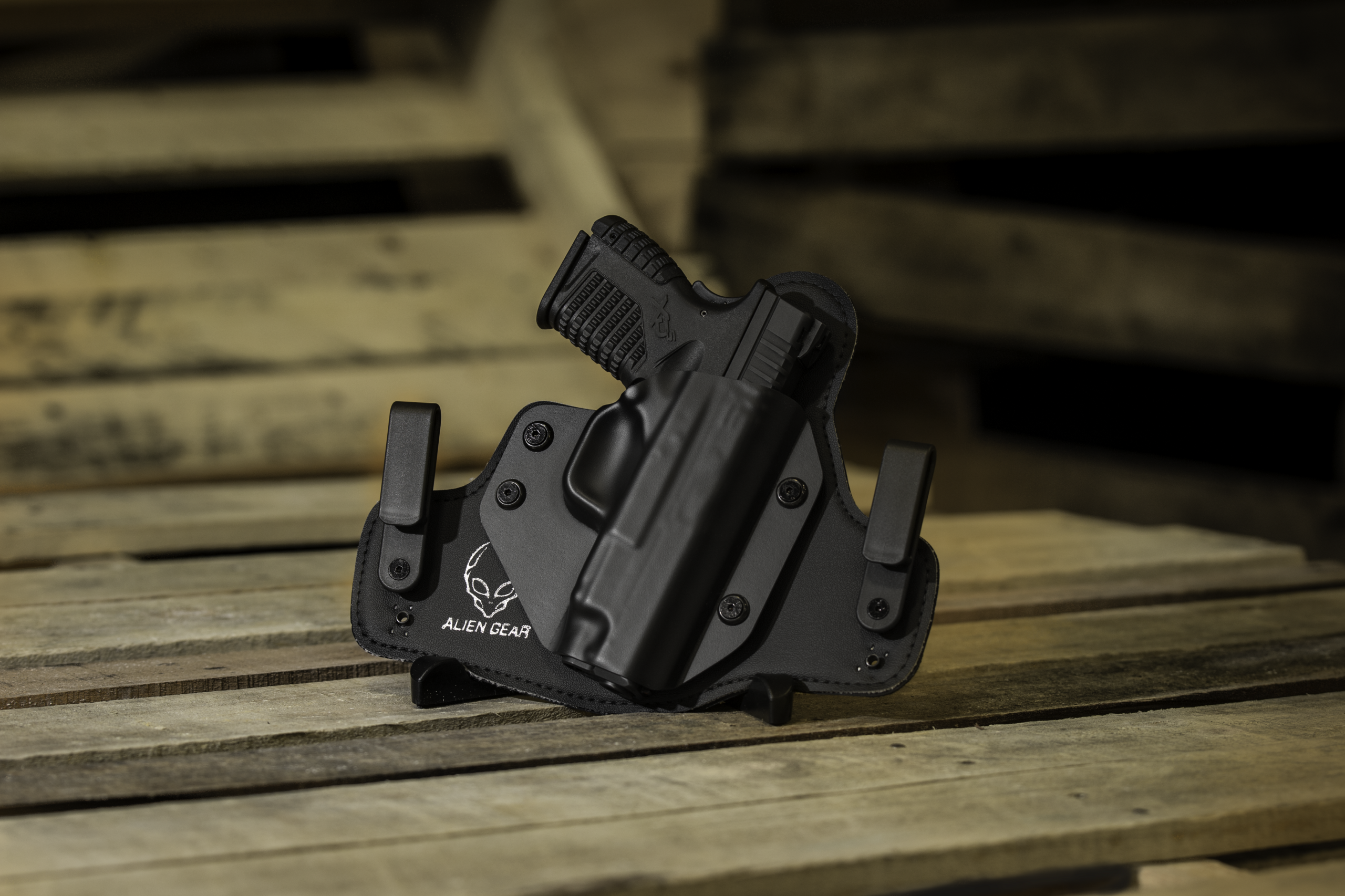
Some carriers switch between chambered and unchambered carry without fully understanding the risks of inconsistency. Carrying without a chambered round can slow response time if not practiced thoroughly. Carrying a chambered firearm without a proper holster increases safety risks. The real mistake is changing methods without training for either. Consistency allows muscle memory to develop and reduces hesitation. Whatever method is chosen, it must be practiced regularly and safely. Inconsistent carry habits increase fumbling and confusion during stressful moments.
4. Neglecting Concealment Practicality
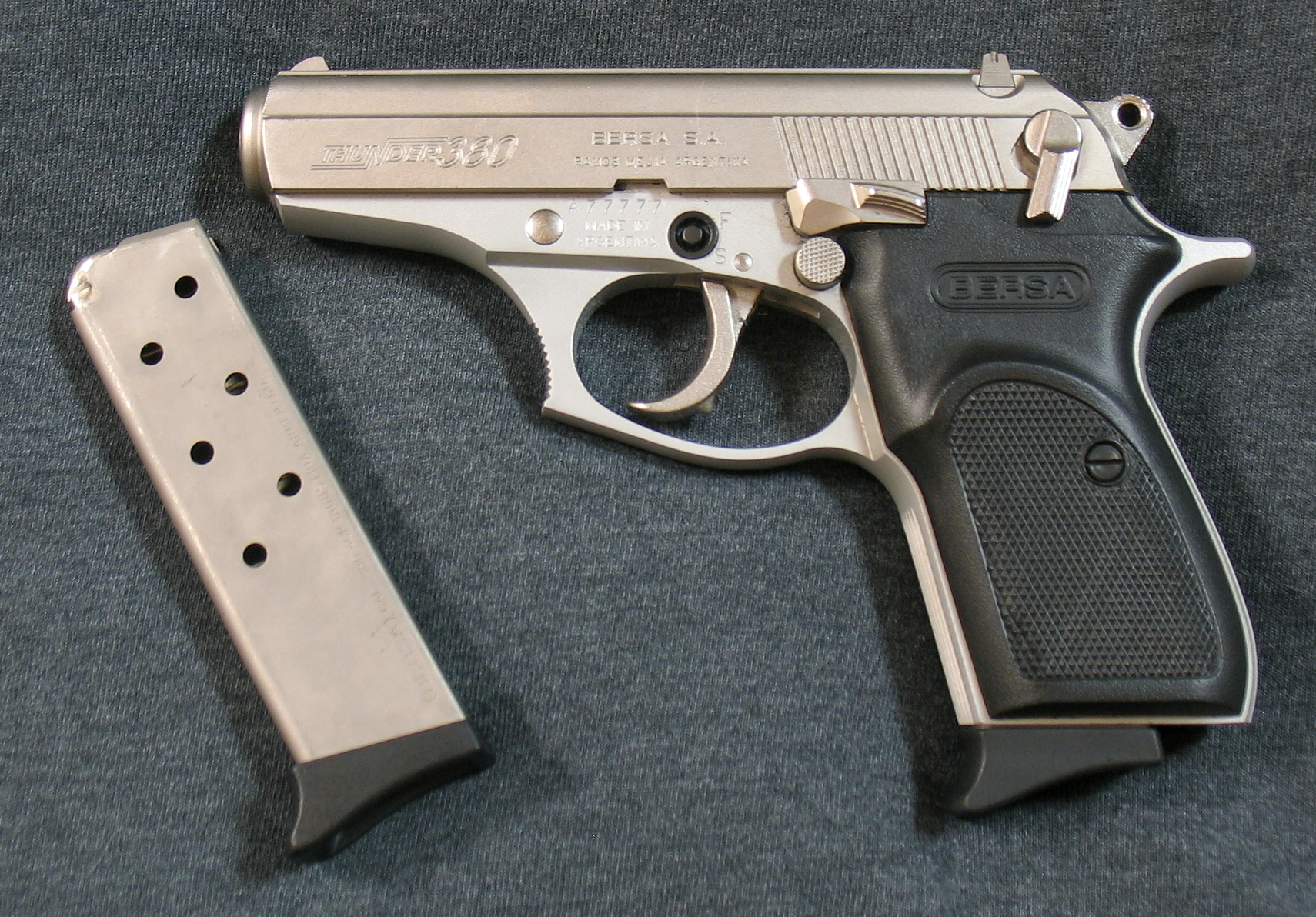
Poor concealment often leads to unnecessary stress and exposure. Clothing that prints the firearm defeats the purpose of concealed carry and may cause legal or social issues. Constant adjustment draws attention and creates discomfort. Seasonal clothing changes occur frequently, often catching carriers unprepared. Proper concealment allows natural movement without revealing the handgun. Ignoring these factors leads to frustration and inconsistent carry. Effective concealment is about striking a balance between firearm size, clothing choice, and daily activities.
5. Failing to Practice Safe Drawing
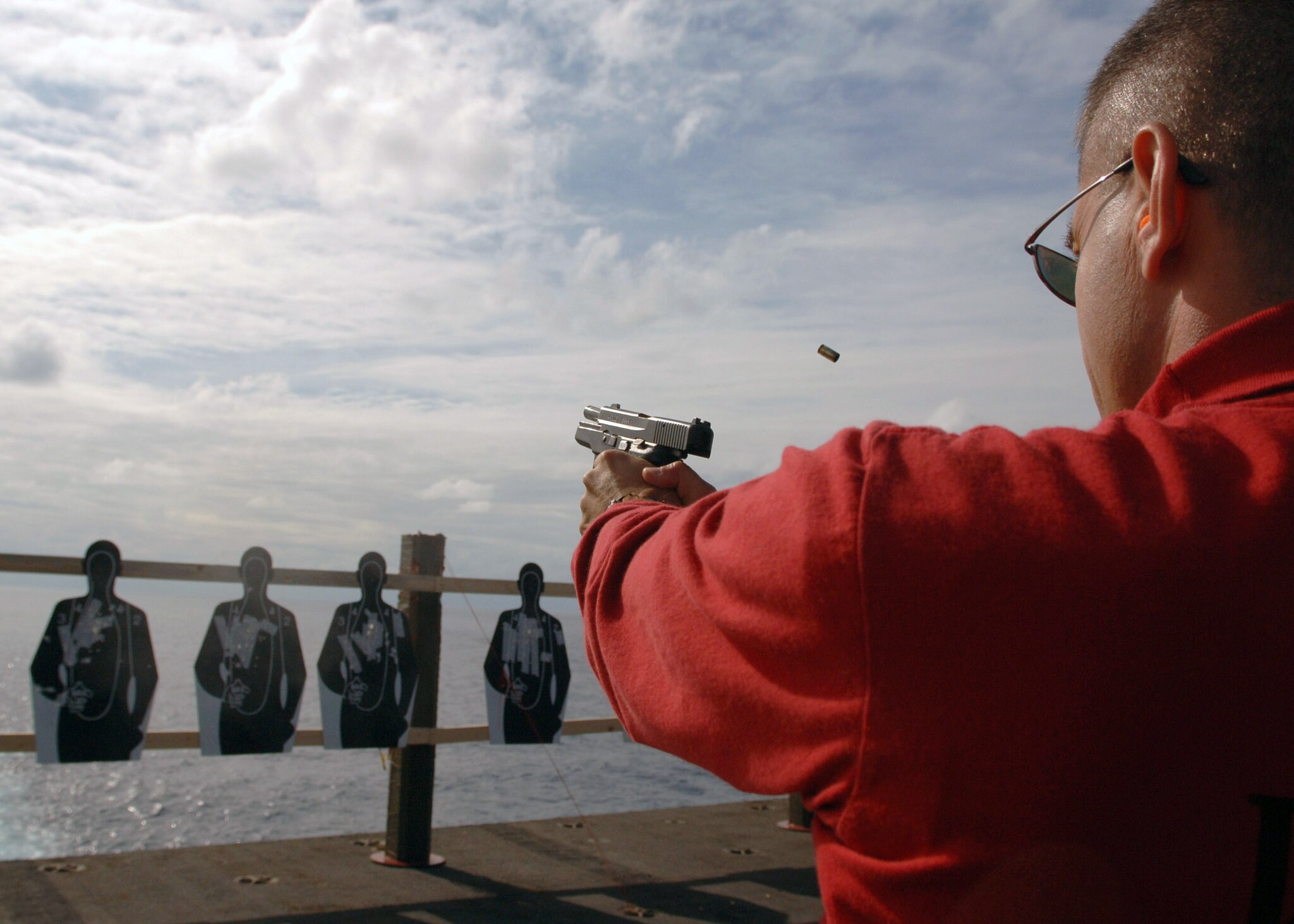
Many people practice shooting accuracy but neglect practicing the draw from concealment. Drawing incorrectly increases the risk of sweeping oneself or others. Without repetition, movements become sloppy and unsafe under stress. Safe draw practice should be done dry, with an unloaded firearm, and with strict attention to finger placement. A smooth, deliberate draw builds confidence and control. Ignoring drawing practice leaves a critical skill underdeveloped and increases risk during real use.
6. Skipping Daily Equipment Checks
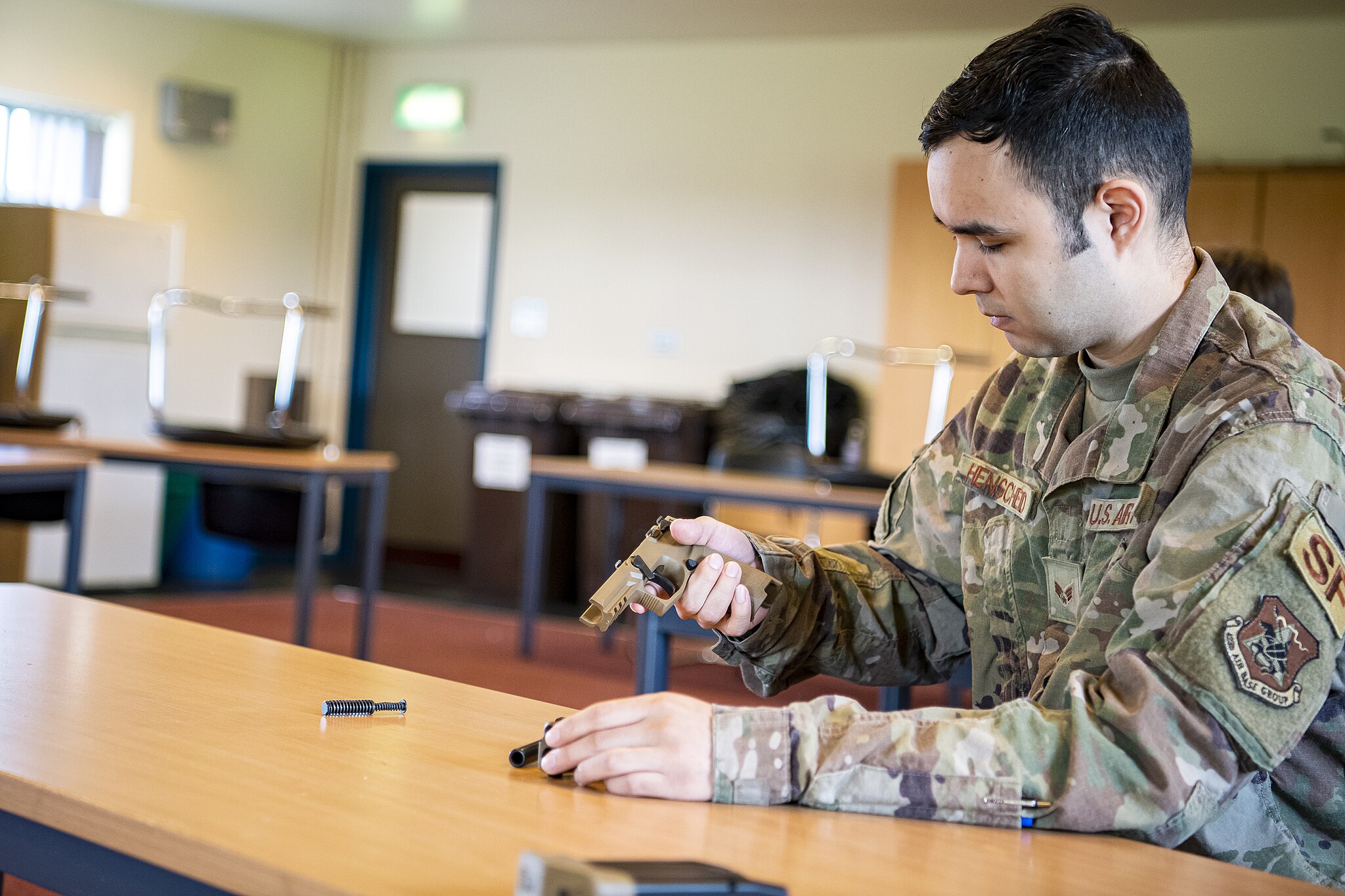
Daily carry exposes firearms and holsters to sweat, dust, and constant movement. Over time, screws loosen, retention weakens, and lint accumulates in critical areas. Many carriers forget to inspect their equipment regularly. A loose holster or obstructed trigger guard can cause serious problems. Simple daily checks ensure the firearm is secure, functional, and safe to carry. Consistent inspection supports reliability and prevents small issues from becoming dangerous failures.
7. Poor Trigger Discipline Habits
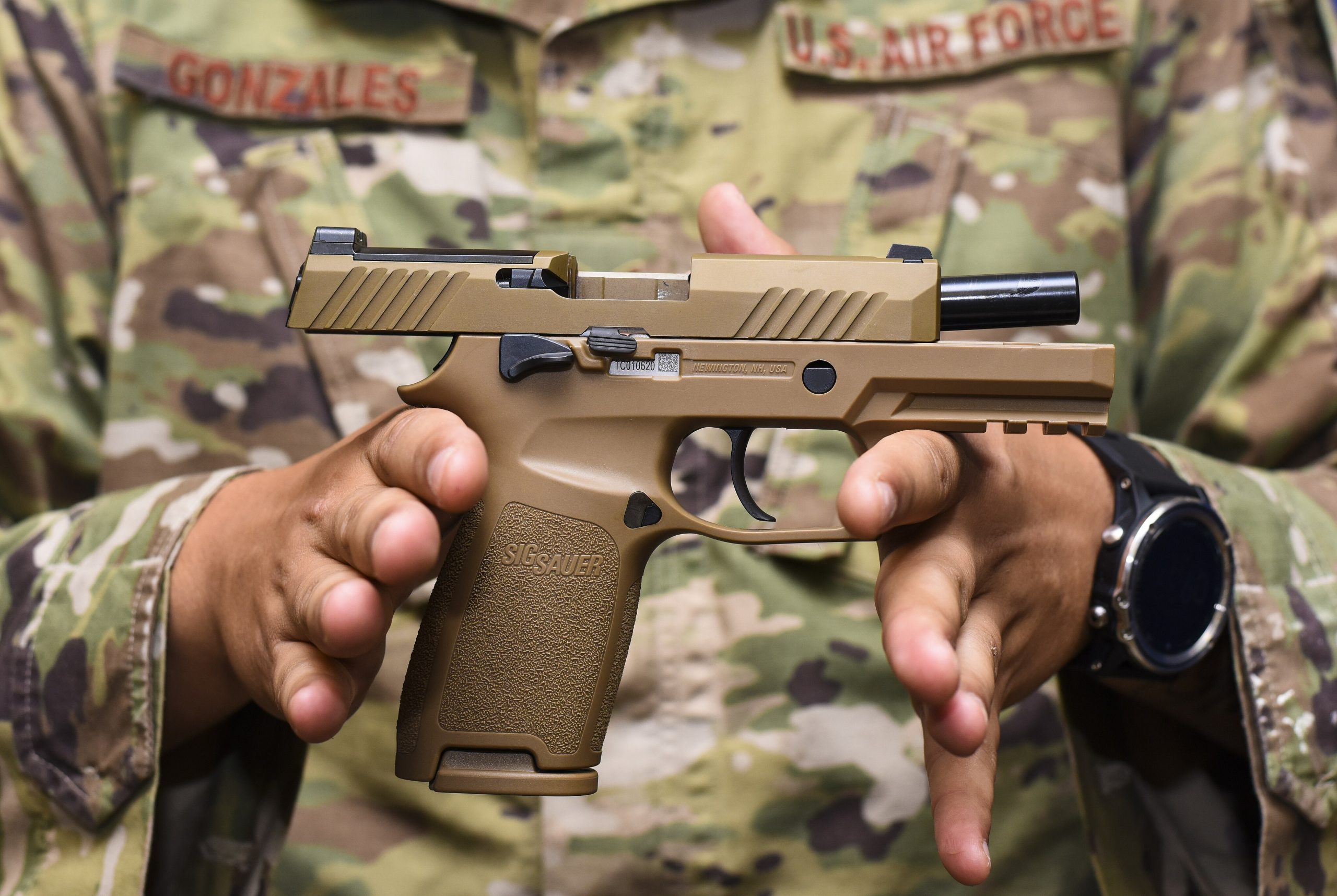
Trigger discipline errors often occur outside of active shooting. Touching the trigger during holstering or unnecessary handling increases accident risk. Stress and fatigue make these mistakes more likely. Proper discipline means keeping the finger indexed along the frame until ready to fire. This habit must be constant, not situational. Neglecting trigger discipline is a leading cause of negligent discharges. Reinforcing this habit daily improves safety more than any accessory.
8. Carrying Without Legal Knowledge
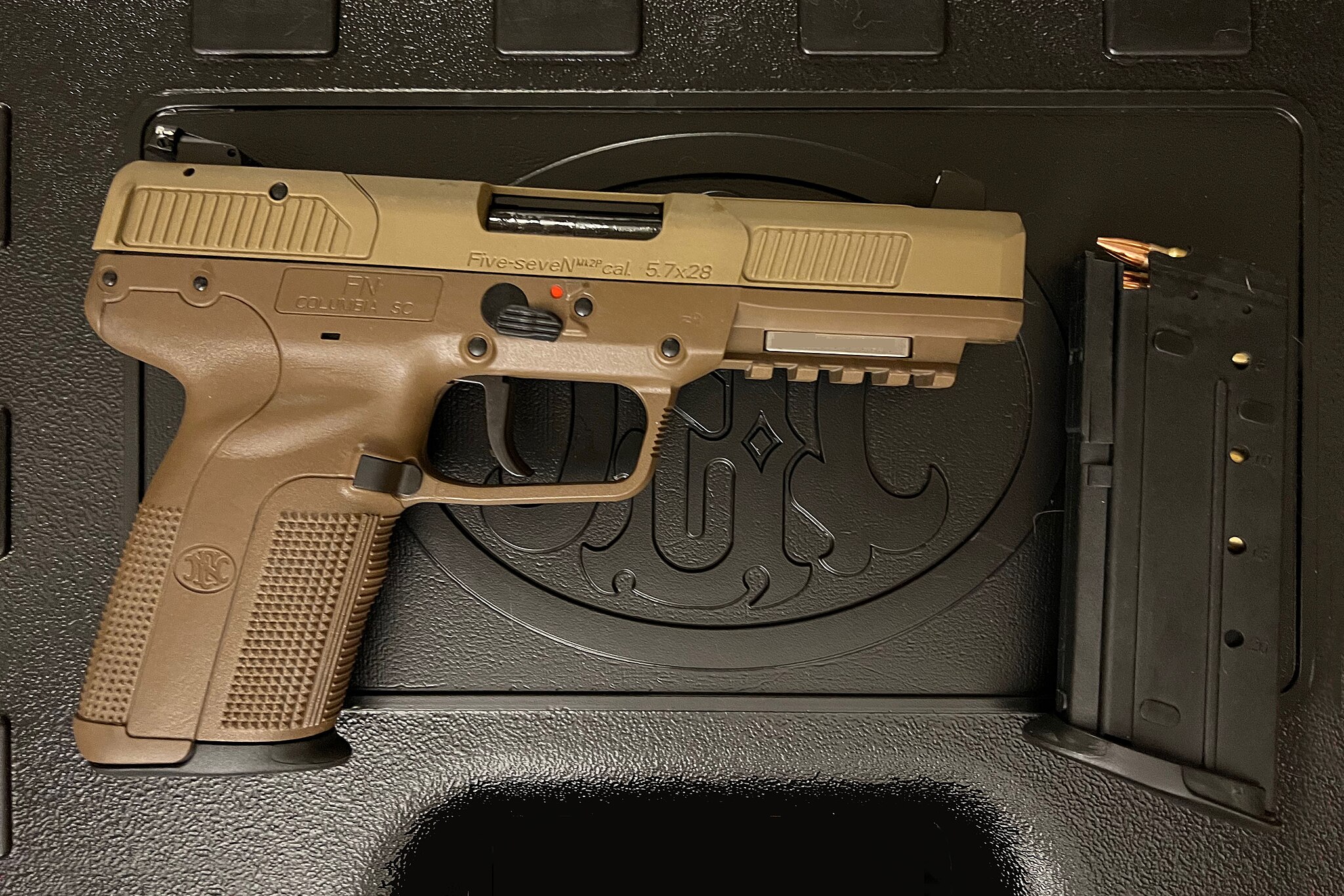
Many carriers underestimate how complex firearm laws can be. Regulations vary by state, city, and even specific locations. Ignorance of restricted areas or use-of-force laws can result in serious legal consequences. Traveling adds additional complications. Responsible carriers stay informed and updated. Understanding when not to carry or draw is just as important as knowing how. Legal awareness protects both the carrier and others.
9. Trusting Gear More Than Judgment
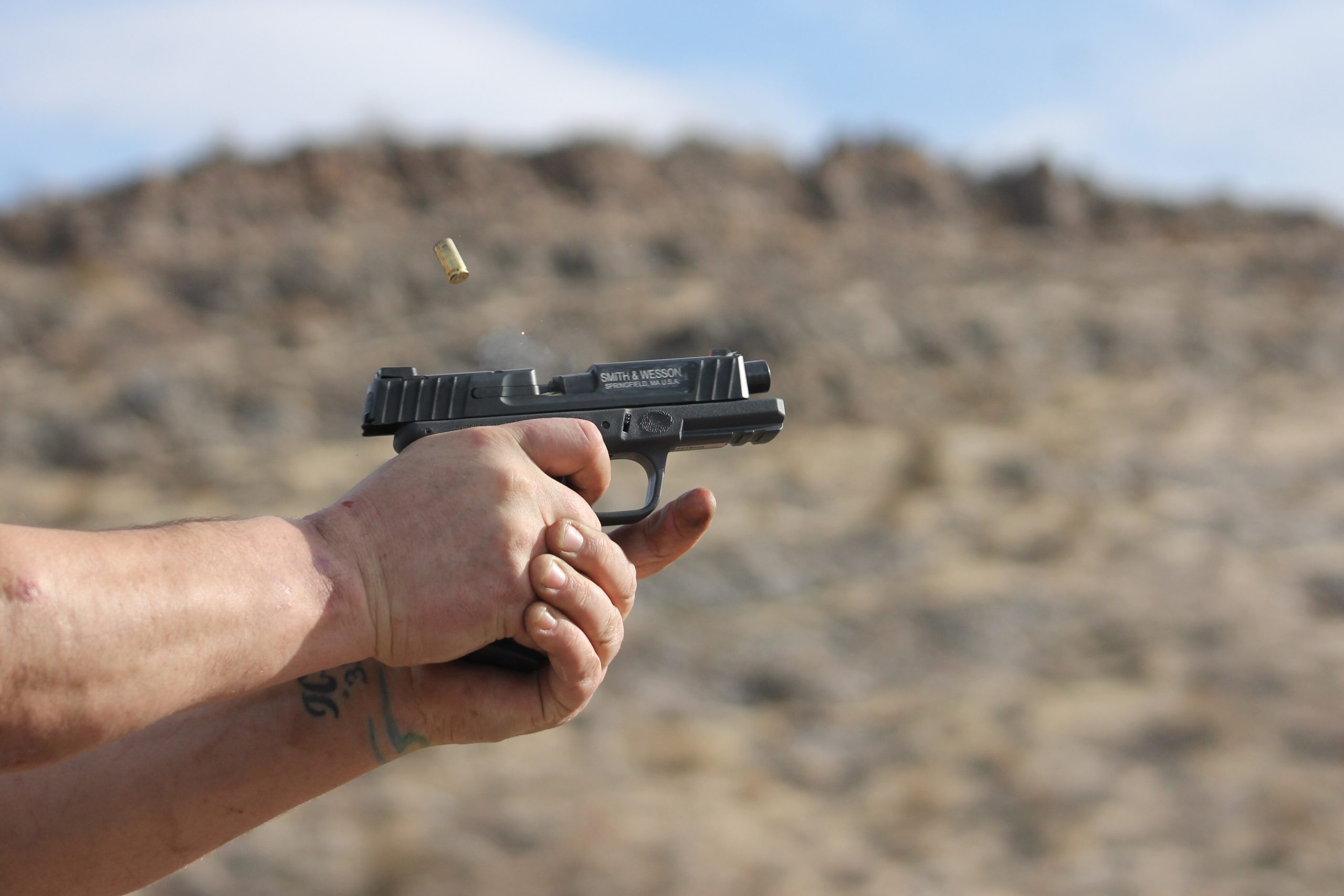
Some people believe better gear automatically makes them safer. Expensive firearms and accessories cannot replace good judgment and awareness. Carrying a handgun should never encourage aggressive or risky behavior. Avoidance, awareness, and calm decision-making matter more than equipment. Overreliance on gear often leads to complacency. Judgment remains the most important tool a carrier possesses. Responsible carry is about restraint, not readiness alone.
10. Ignoring Mental Preparation

Carrying a handgun carries emotional and psychological responsibility. Many people fail to prepare mentally for the weight of carrying lethal force. Stress, anger, or ego can cloud judgment quickly. Mental discipline helps carriers remain calm, measured, and responsible. Understanding when not to act is just as critical as knowing how to act. Skipping mental preparation increases the risk of poor decisions. Responsible carry begins with a mindset.