Throughout military history, fear has always been as powerful a weapon as steel or gunpowder. Some battlefield weapons earned reputations so intimidating that their mere presence altered enemy behavior before a single shot was fired. Psychological impact, visual menace, distinctive sounds, and devastating historical performance all contributed to these legends. Soldiers often reacted not just to physical danger but to anticipation, uncertainty, and the knowledge of what certain weapons could do. While effectiveness ultimately depended on tactics and training, the psychological weight carried by specific arms shaped countless engagements. The following weapons became infamous not only for lethality but for the dread they inspired at sight or sound alone.
1. German MG42 Machine Gun
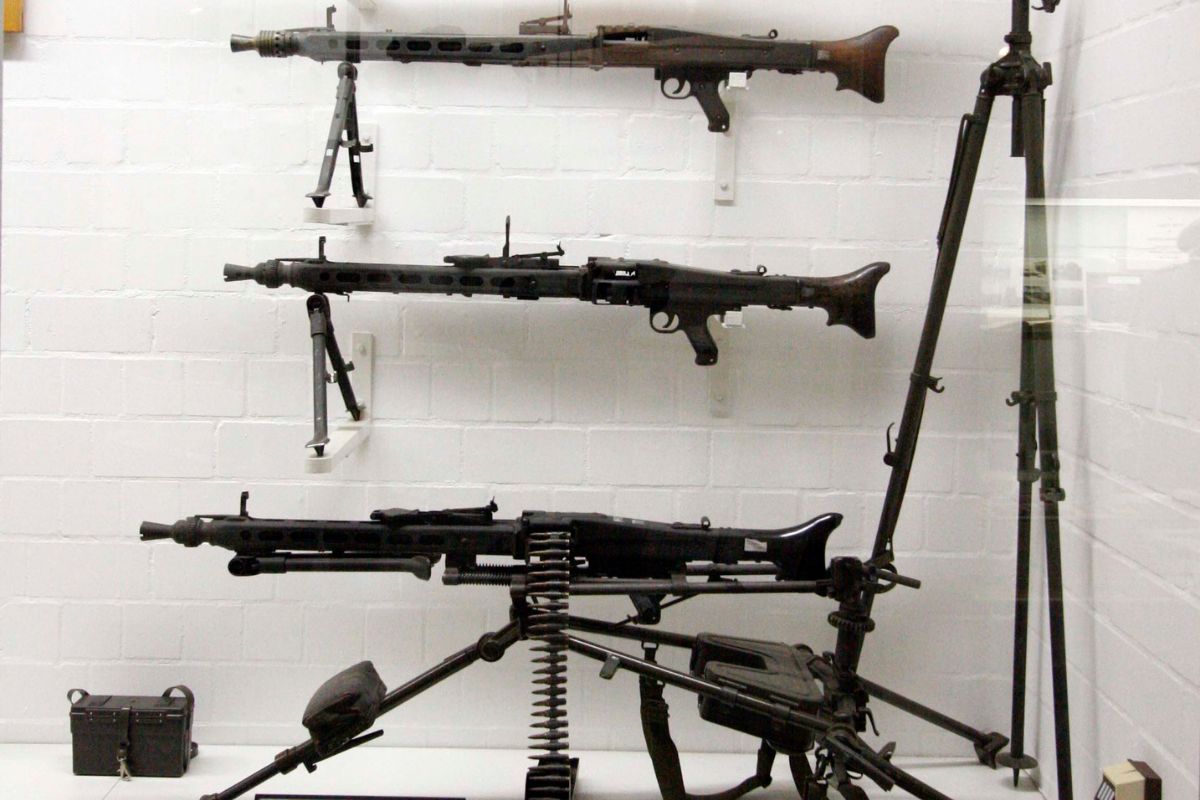
The German MG42 machine gun generated fear through a combination of engineering and perception. Its exceptionally high rate of fire produced a ripping, continuous sound that Allied soldiers compared to tearing fabric. This auditory signature alone became deeply unsettling during combat. Beyond noise, the weapon’s effectiveness in suppressing advances created an aura of near inevitability. Troops understood that exposure to its fire often meant immediate danger. Its reliability under harsh conditions reinforced that reputation. The MG42’s psychological effect extended beyond casualties, shaping movement, caution, and morale. Even before engagement, its distinctive sound signaled overwhelming resistance.
2. British Longbow
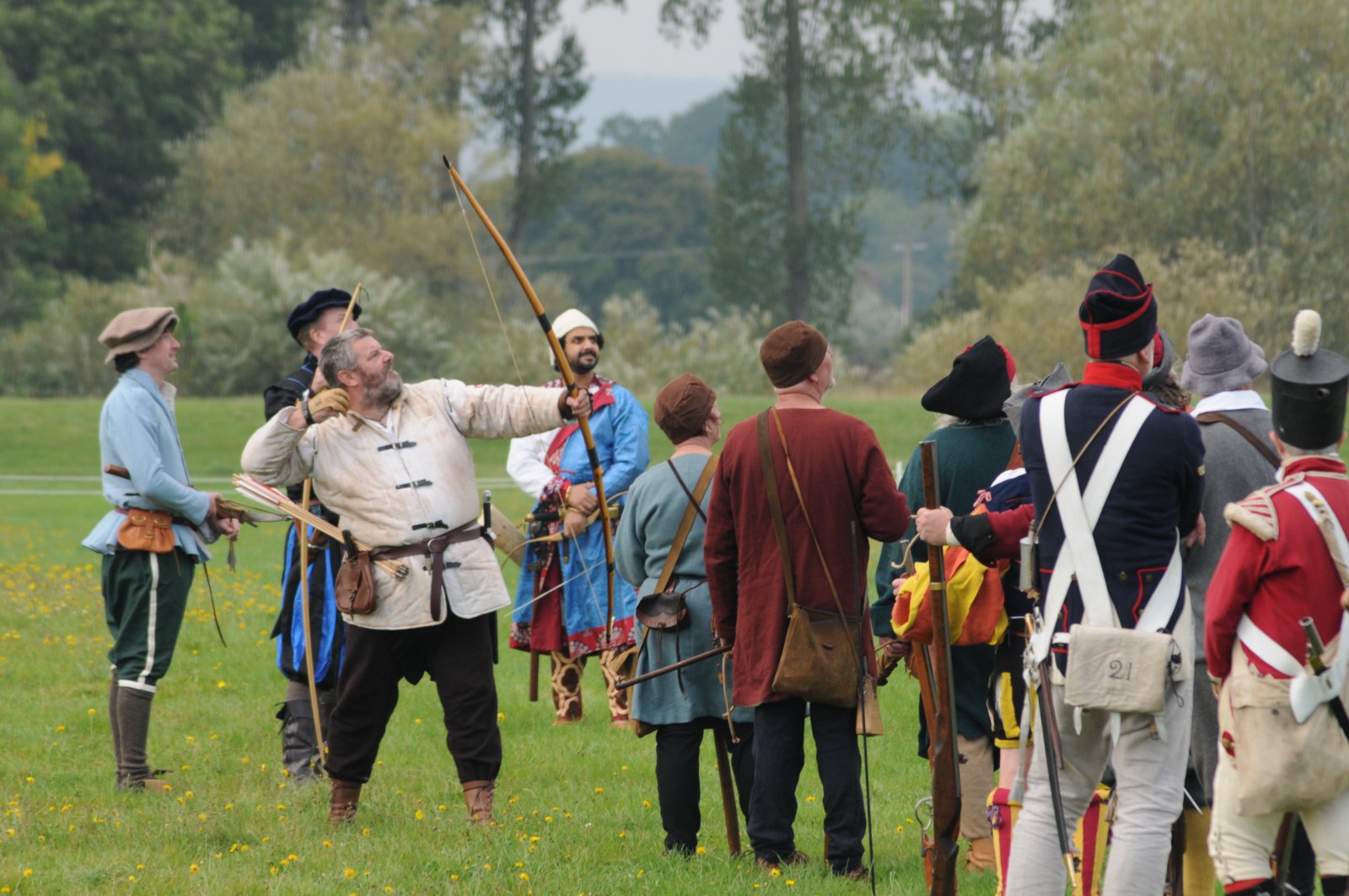
The British longbow dominated medieval warfare not only through range and penetration but through anticipation. Massed volleys darkening the sky created a deeply unsettling visual experience for opposing forces. The knowledge that armor offered limited protection heightened anxiety. Enemy troops often braced for impact long before arrows struck, enduring prolonged psychological strain. The weapon’s battlefield success at engagements like Agincourt amplified its legend. Longbowmen themselves required years of training, further adding to their mystique. Fear emerged from inevitability and spectacle. Armies confronted not a single projectile but waves of incoming force that tested discipline and resolve.
3. M1 Garand Rifle
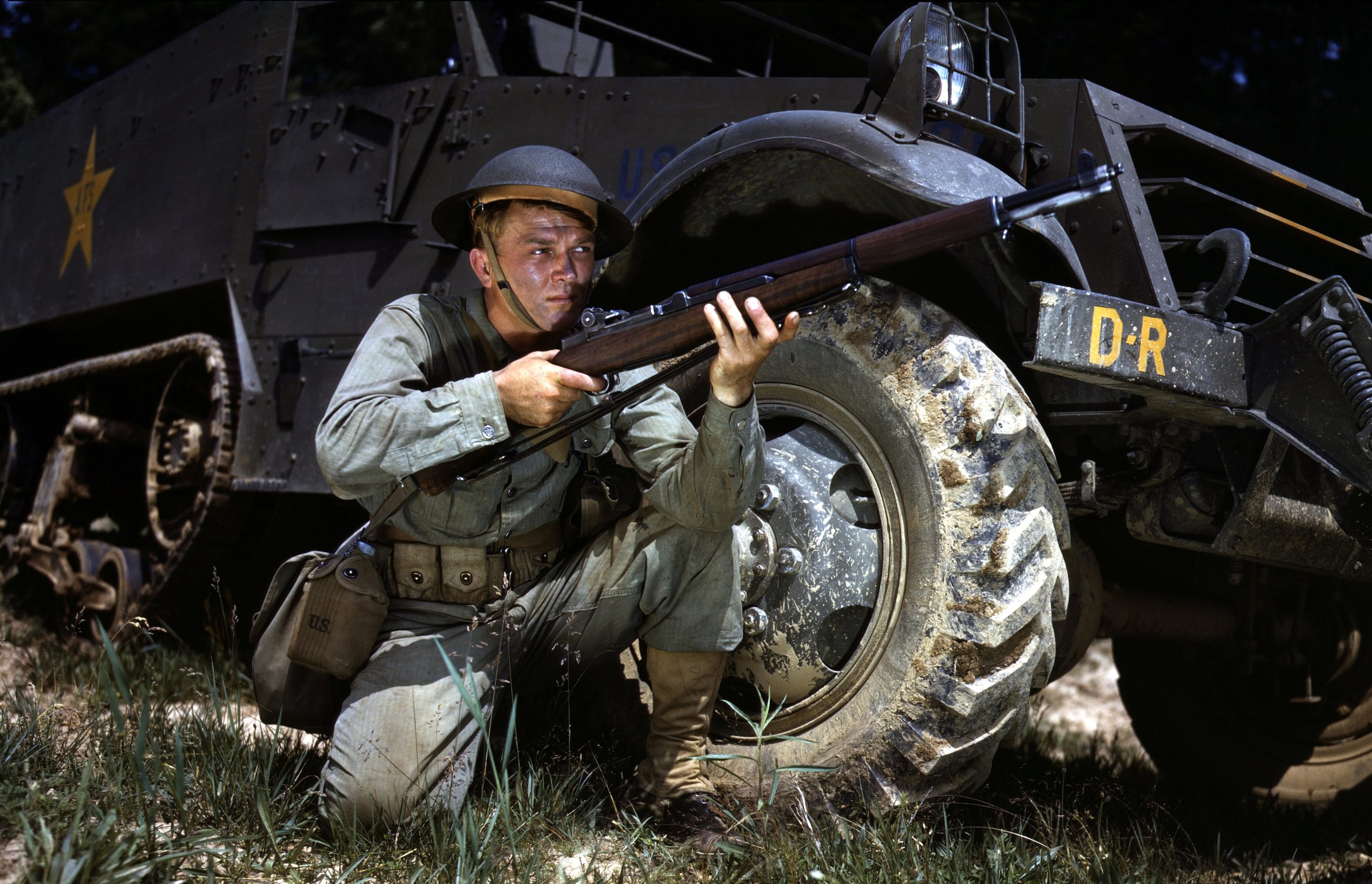
The M1 Garand introduced a new kind of battlefield intimidation rooted in firepower and rhythm. Its semi-automatic capability allowed American infantry to deliver rapid, accurate shots compared to many bolt-action rifles of the era. Opponents quickly recognized the increased volume of fire. The rifle’s distinctive metallic clip ejection sound became widely discussed, adding to its identity. While subtle compared to larger weapons, this auditory cue symbolized relentless pressure. Soldiers facing Garand-equipped units often perceived a technological advantage. Confidence among its users further amplified its psychological effect. The weapon represented not just lethality but momentum.
4. Japanese Katana
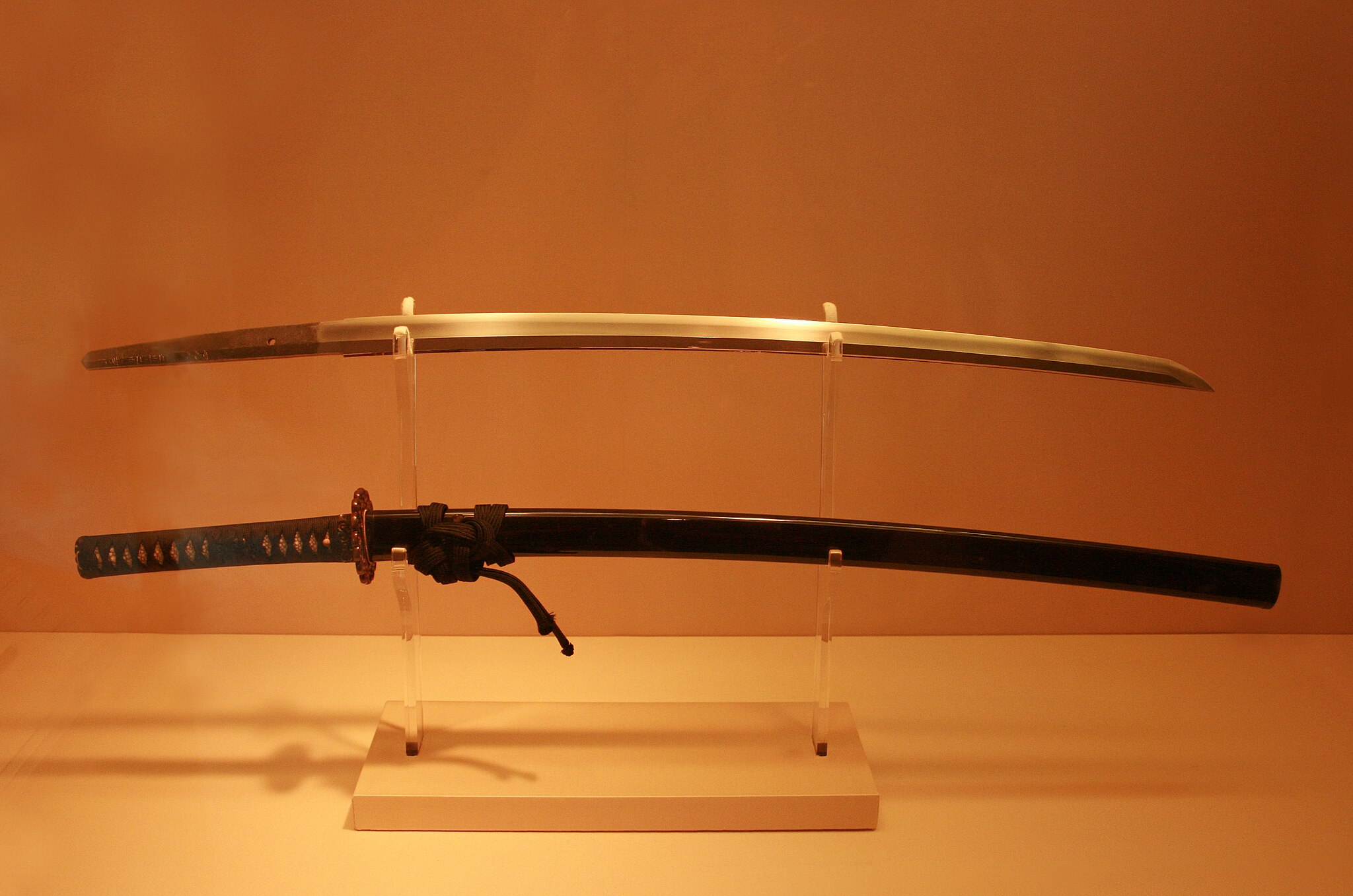
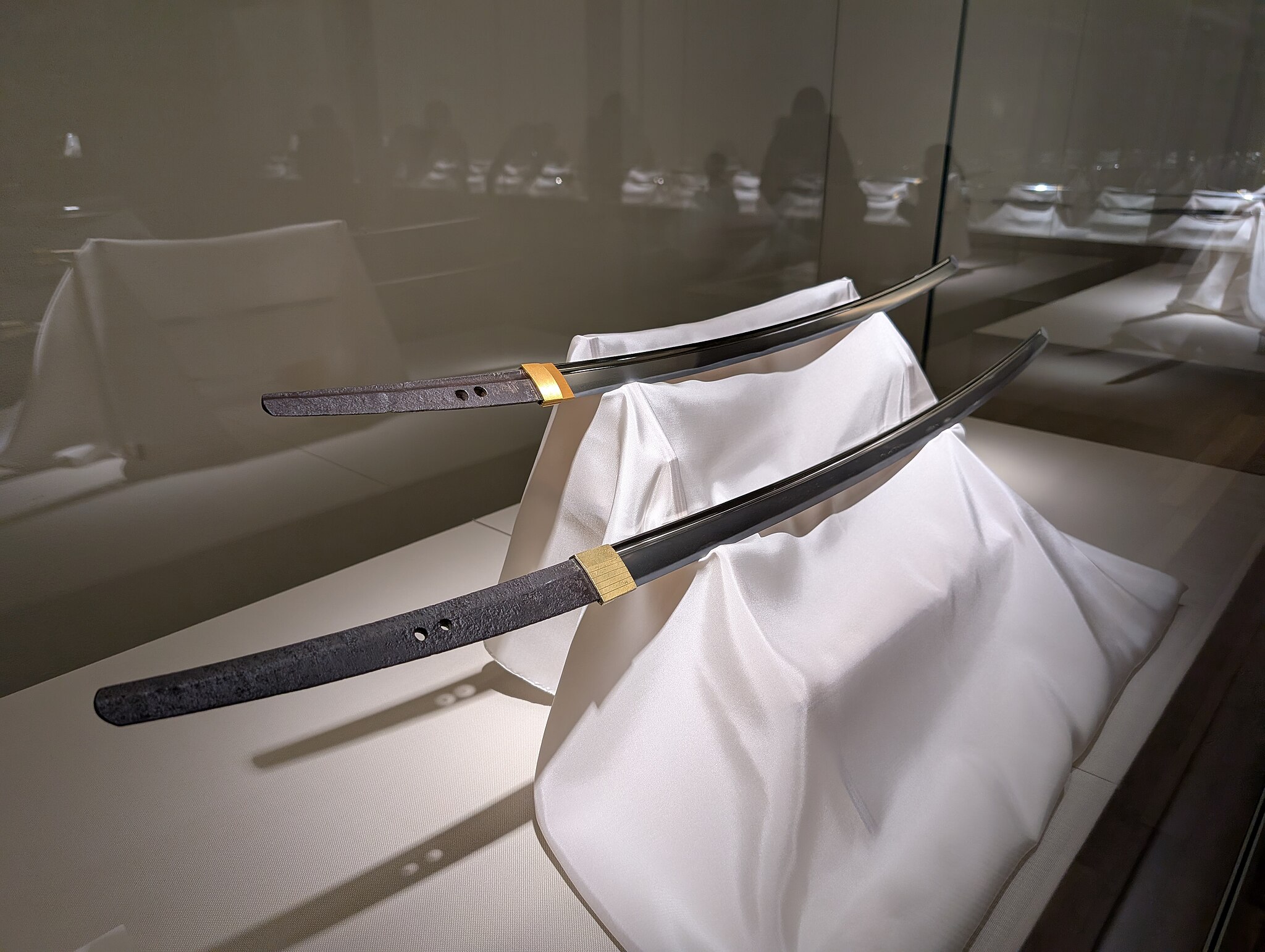
The Japanese katana carried psychological weight far exceeding its physical dimensions. Its cultural symbolism, craftsmanship, and association with disciplined warriors elevated its status. Accounts of close combat encounters emphasized precision and decisiveness, fostering a powerful reputation. Enemies often perceived the blade as an extension of unwavering resolve rather than merely a weapon. Visual elegance contrasted sharply with its deadly purpose, enhancing its mystique. Fear stemmed from unpredictability and personal proximity. Unlike distant weapons, the katana represented intimate confrontation. Its presence signaled not only danger but a mindset shaped by tradition, training, and psychological intensity.
5. Roman Gladius
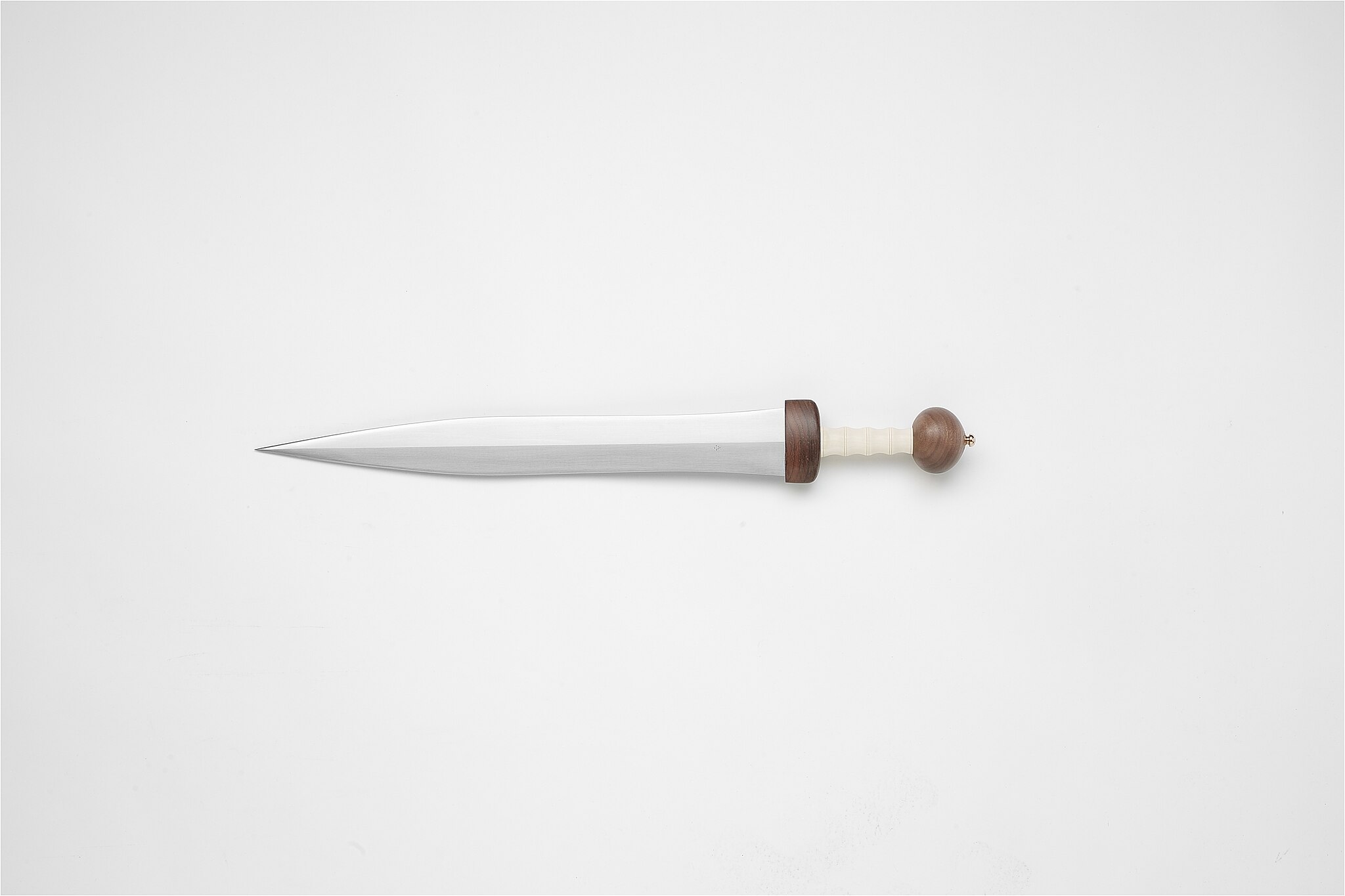
The Roman gladius became a symbol of disciplined violence and tactical efficiency. Designed for close formation combat, it excelled in the tightly coordinated maneuvers of Roman legions. Opponents understood that facing the gladius meant confronting highly organized infantry capable of relentless advance. Its effectiveness lay not in spectacle but in consistency. Psychological impact emerged from collective precision rather than individual flourish. Enemies frequently described Roman formations as mechanically unstoppable. The gladius thus embodied systemized lethality. Fear developed through observation of Roman battlefield dominance. The weapon’s reputation became inseparable from the formidable structure of the legion itself.
6. Viking Battle Axe
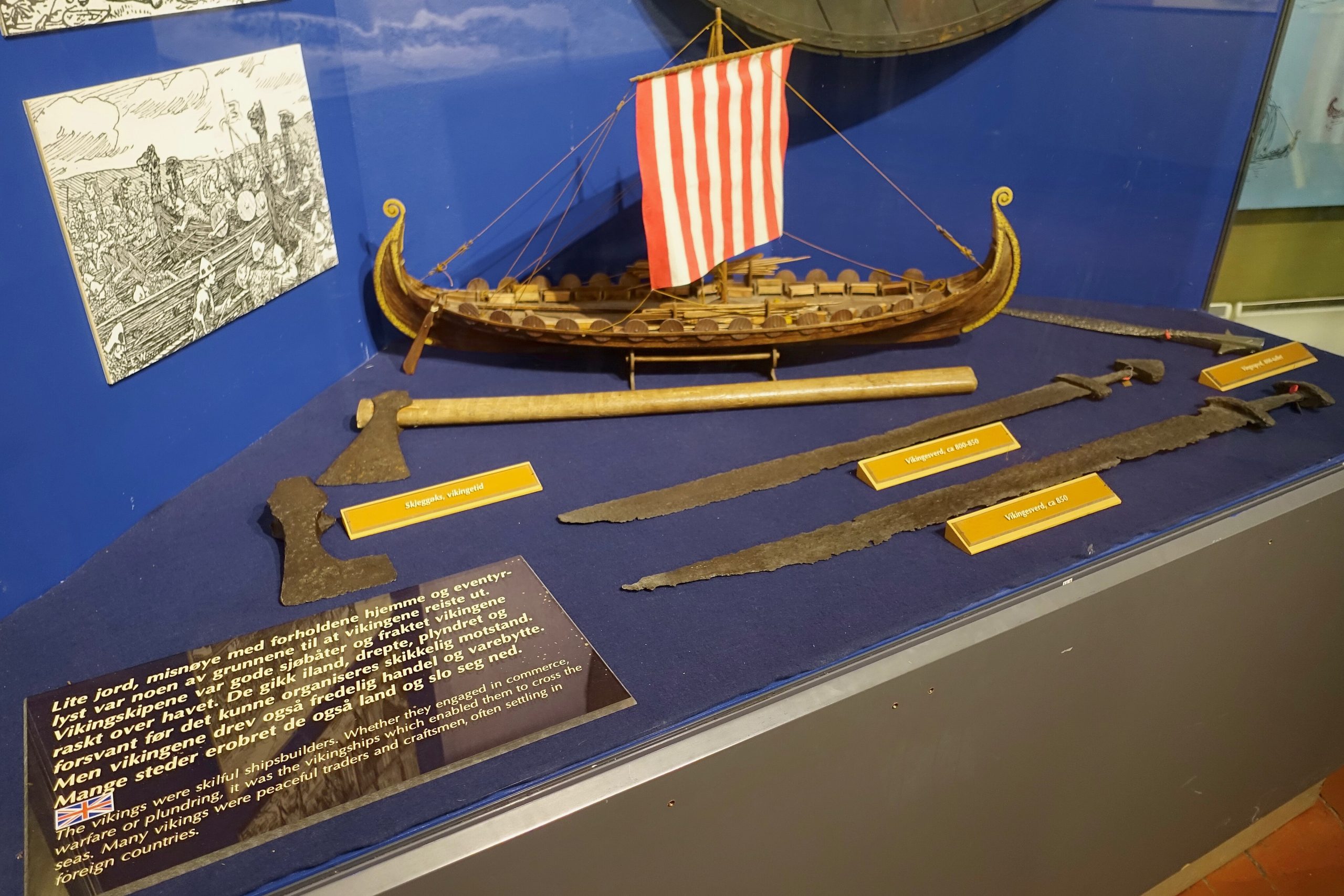
The Viking battle axe projected intimidation through size, power, and visual drama. Its broad blade and forceful strikes conveyed destructive potential that resonated strongly in close combat. Warriors wielding axes often cultivated fierce reputations, reinforced by cultural narratives and battlefield accounts. The weapon’s capacity to penetrate shields and armor contributed to its psychological presence. Observers frequently emphasized the sheer physicality associated with axe combat. Fear stemmed from both capability and imagery. The battle axe symbolized aggression and raw strength. Its presence on the battlefield signaled violent engagement where hesitation could prove fatal.
7. Napoleonic Cannons
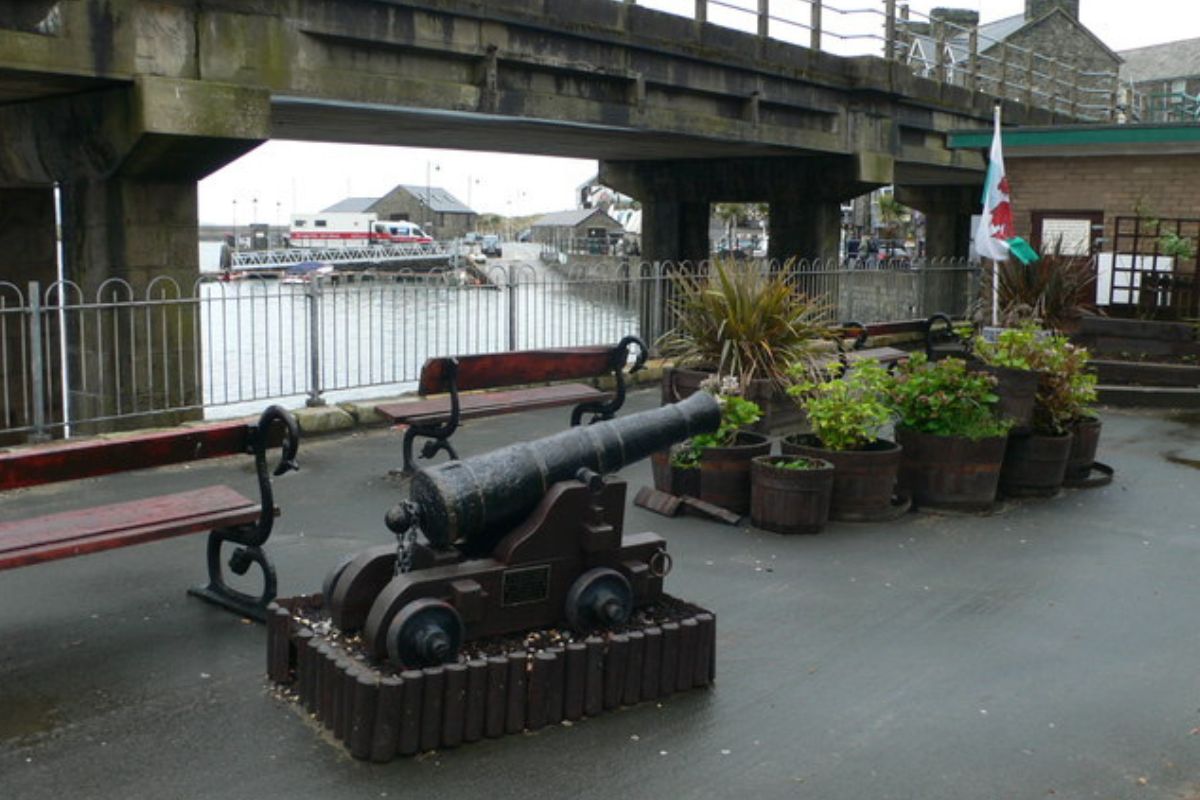
Napoleonic era cannons shaped fear through the anticipation of devastation. The thunderous discharge, rolling smoke, and visible destructive effects created overwhelming sensory experiences. Infantry formations braced for impact long before projectiles arrived. Artillery barrages disrupted cohesion and confidence, even without direct hits. The unpredictability of the trajectory and timing intensified stress. Cannons also represented industrial-scale lethality, amplifying psychological pressure. Soldiers often described the emotional toll of awaiting fire as severe. The weapon’s influence extended beyond physical damage. It altered pacing, positioning, and morale. Fear became intertwined with sound, spectacle, and expectation.
8. Medieval War Hammer
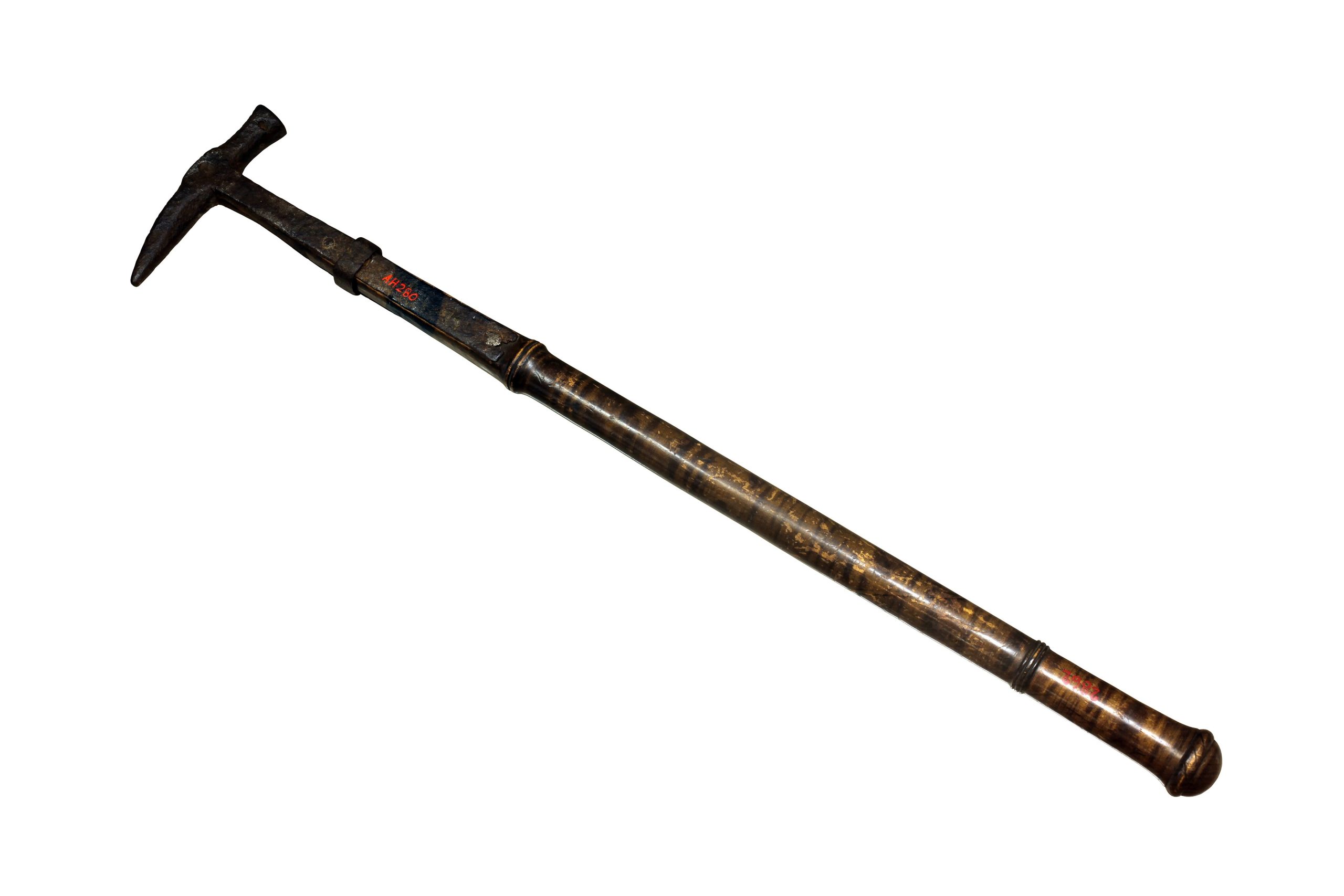
The medieval war hammer derived its intimidation from specialized purpose and brutal efficiency. Designed to defeat armored opponents, it represented a direct challenge to protective equipment once considered reliable. Its concentrated striking force conveyed an unsettling message about vulnerability. Visual simplicity masked destructive capability. Warriors armed with war hammers often targeted heavily armored foes, reinforcing its symbolic threat. Fear emerged from the erosion of perceived safety. Armor no longer guaranteed survival. The weapon embodied adaptation to evolving battlefield conditions. Psychological impact flowed from the realization that traditional defenses could be decisively overcome.
9. Flamethrowers
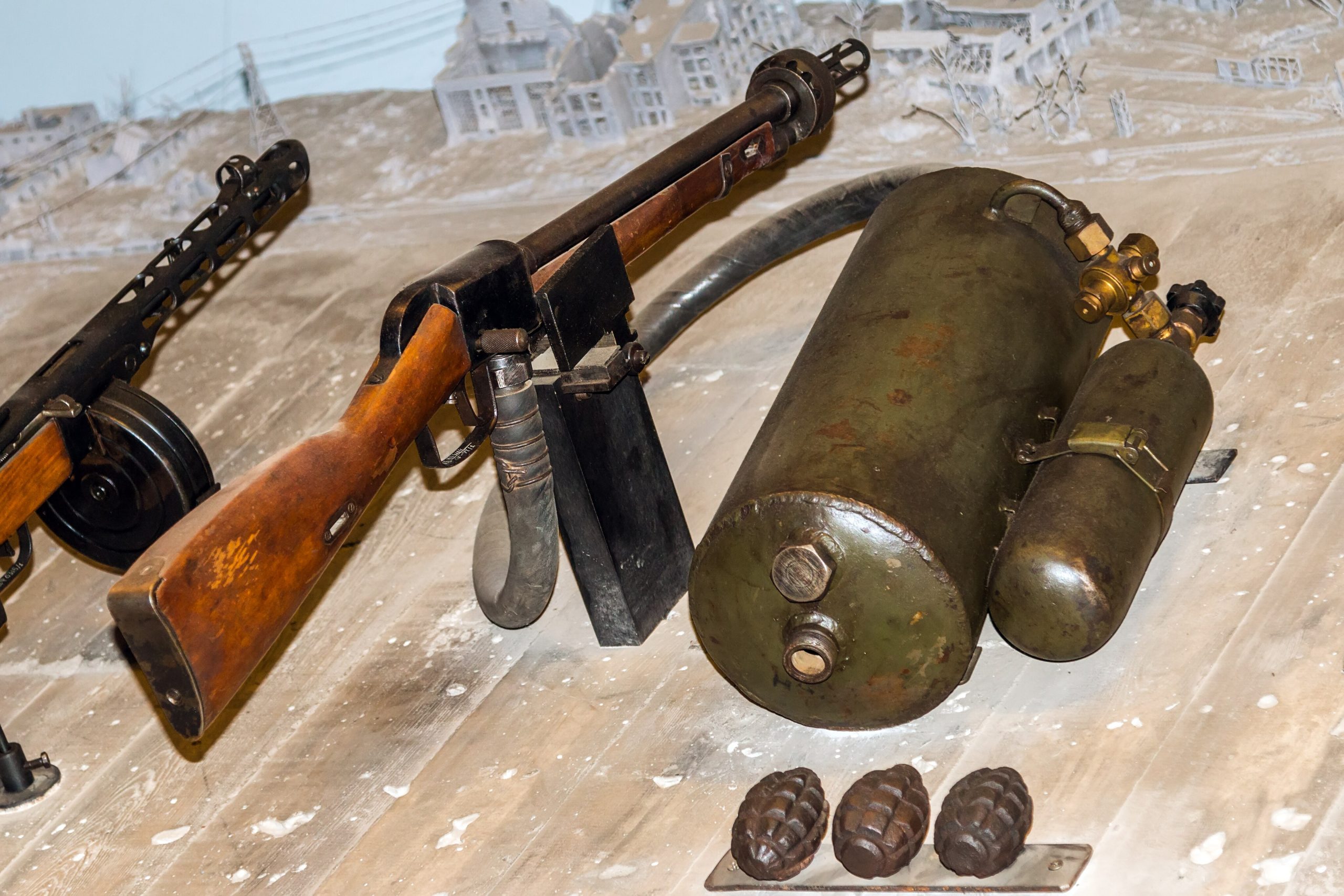
Few weapons have generated as immediate a psychological response as the flamethrower. Its visual intensity, distinctive roar, and terrifying effects created profound dread. Soldiers confronted not just injury risk but a deeply primal fear associated with fire. The weapon’s capacity to clear fortified positions reinforced its reputation. Even a limited deployment could influence enemy behavior dramatically. Fear stemmed from spectacle, unpredictability, and perceived inescapability. Flamethrowers altered defensive psychology. Positions once considered secure suddenly appeared fragile. Their presence often disrupted morale disproportionately. The psychological dimension frequently exceeded tactical necessity.
10. War Elephants
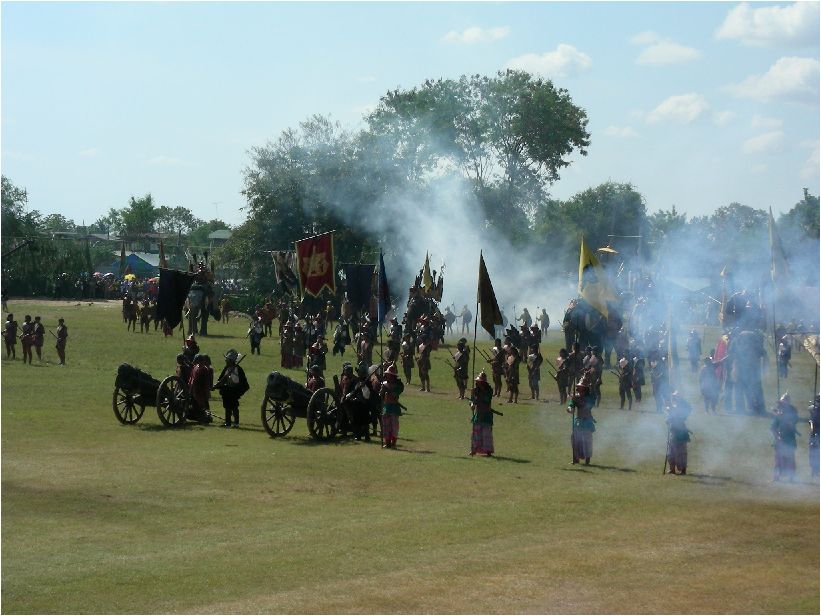
War elephants combined scale, noise, and unfamiliarity to produce an extraordinary psychological impact. Towering animals advancing amid chaos created scenes that unsettled opposing troops. Their mass and momentum threatened formations and cavalry alike. Beyond physical force, elephants disrupted expectations. Many armies lacked prior experience confronting such creatures. Visual dominance and thunderous movement intensified fear. Even disciplined soldiers struggled with the sensory shock. War elephants symbolized overwhelming power and unpredictability. Their effectiveness varied historically, but their psychological influence proved undeniable. Fear often preceded contact, shaping reactions before battle fully unfolded.