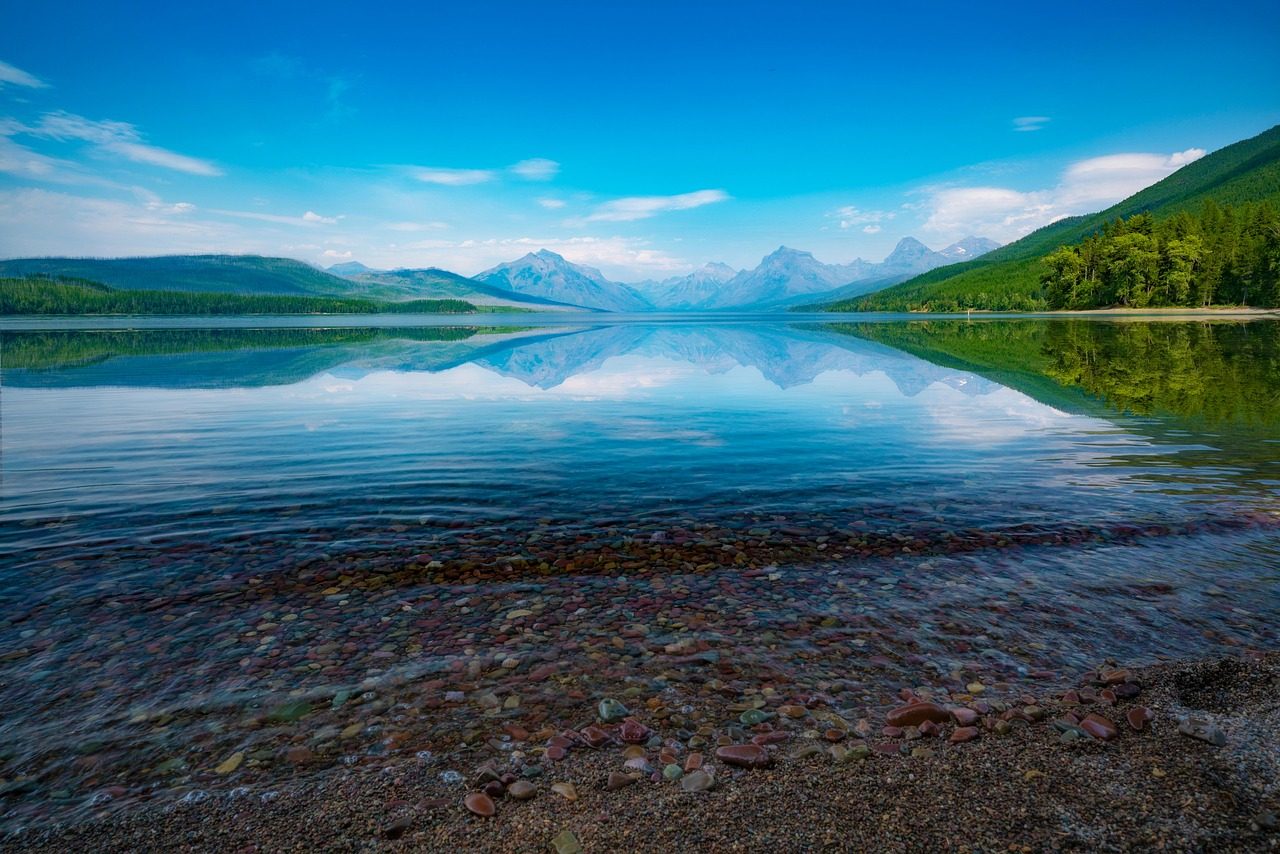
Montana’s mountains, river valleys, and forest edges create reliable travel routes for black bears and grizzly bears, so repeat sightings often cluster in the same landscapes. Many visits connect to seasonal foods like berries, roots, insects, and winter-killed carcasses, while some repeat appearances trace back to unsecured trash, birdseed, or fruit trees near homes. Rangers and wildlife biologists track these patterns to reduce conflict and keep bears wary of people. The areas below are well known for frequent bear activity because geography and food cycles bring animals back. Local reports and agency advisories frequently reference these same corridors.
Glacier National Park
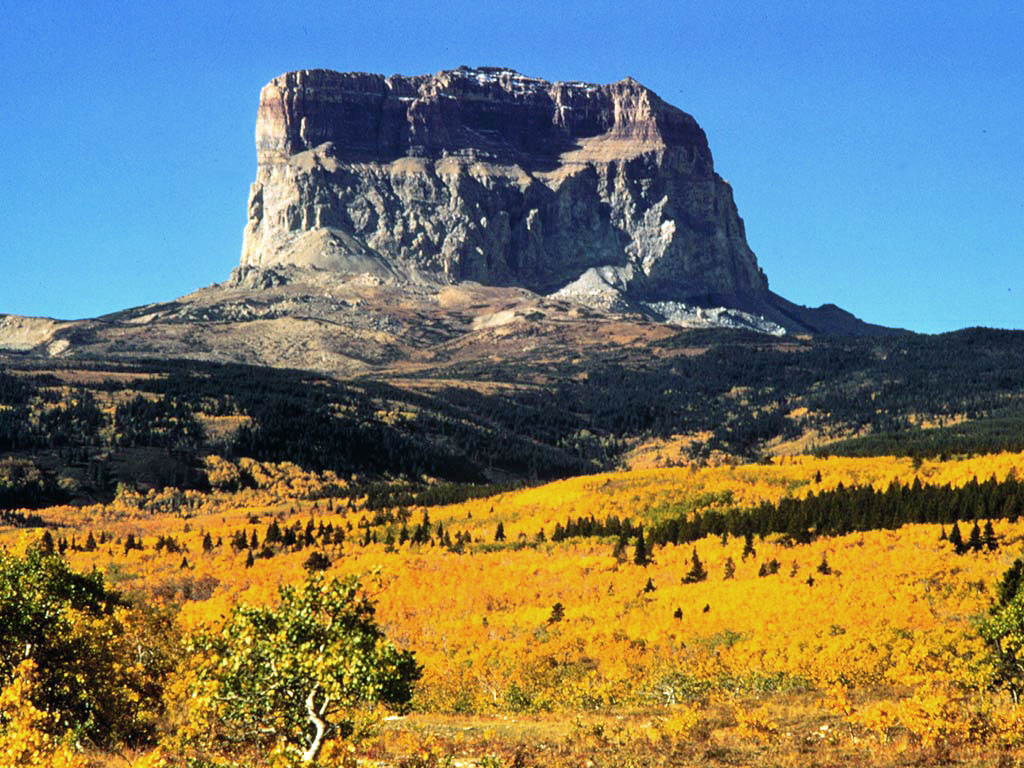
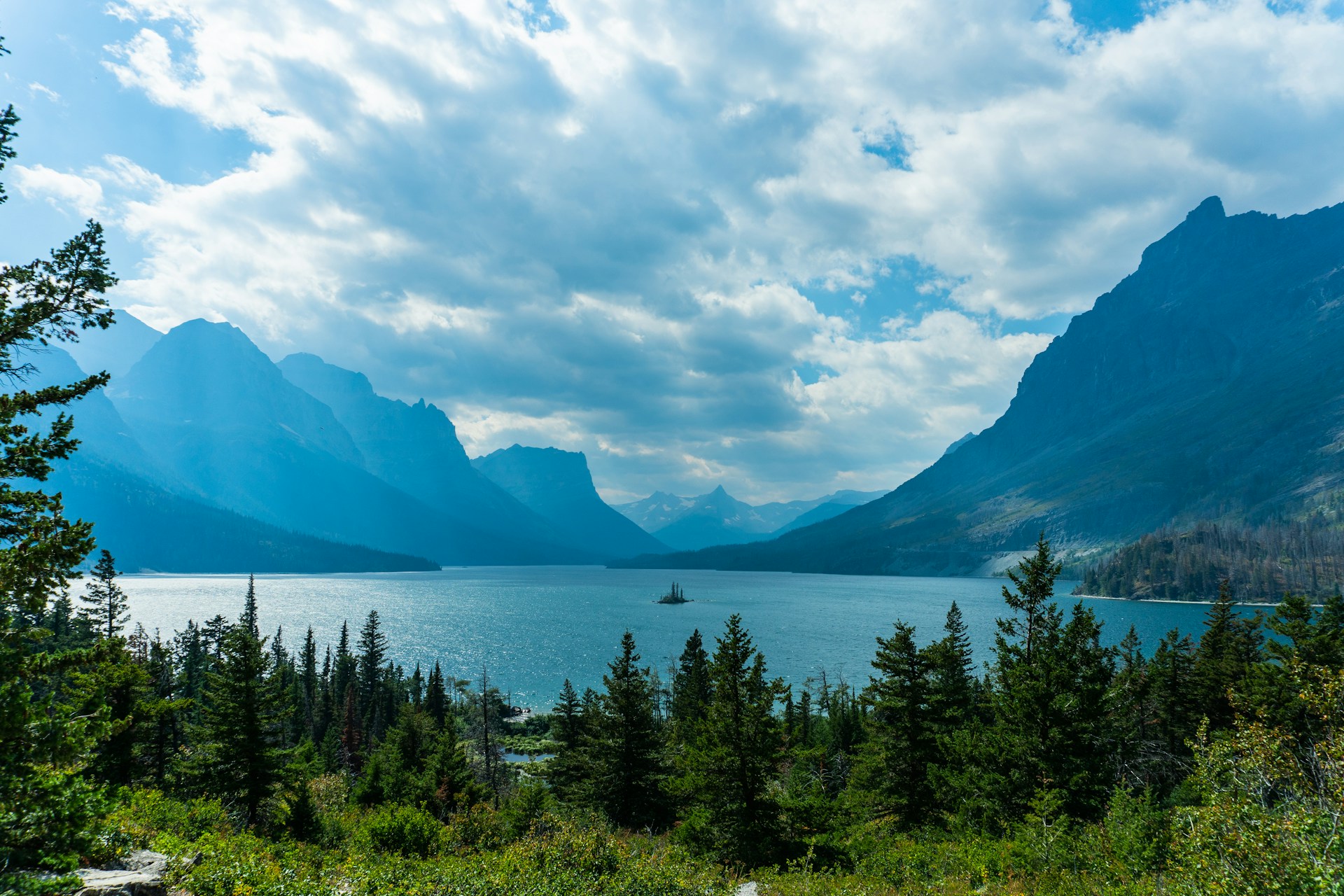
Glacier National Park sees frequent bear activity because large protected habitat supports both black bears and grizzlies across varied terrain. Many Glacier, Logan Pass, and Two Medicine often record repeated sightings as bears move between valley bottoms and high country to follow spring greenery, summer insects, and late-season berries. Campgrounds and trailheads can also become repeat locations when food odors linger, even when no food is visible. Rangers rely on strict storage rules, fast advisories, and occasional closures to reduce risky encounters. These measures help keep bears focused on wild foods rather than human-related smells.
Yellowstone National Park Northern Montana Gateways
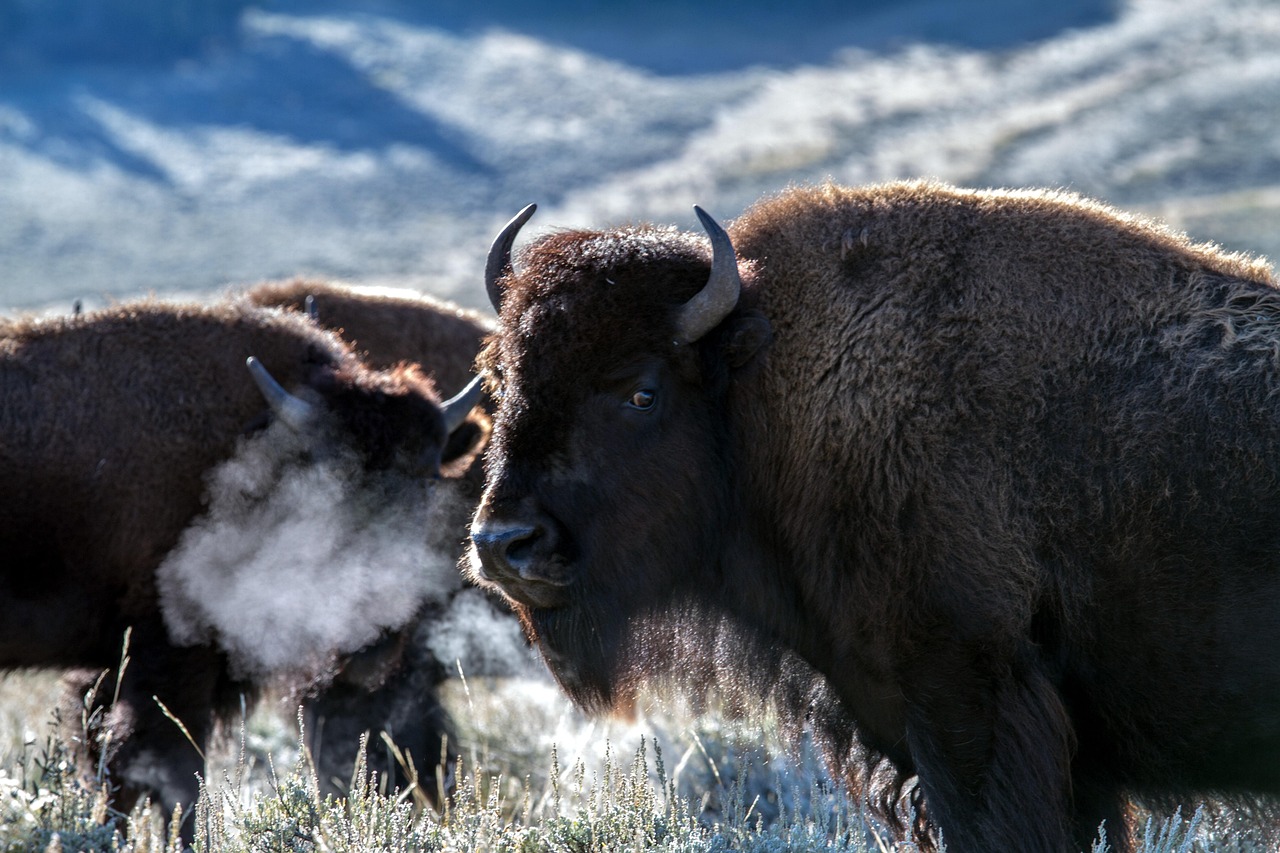
Yellowstone’s northern entrances connect Montana communities with habitat used by bears moving through broad valleys and forested slopes. The Gardiner area and the Cooke City region regularly report repeat sightings, especially when spring conditions bring bears to lower elevations for fresh plants and early carcass opportunities. Road corridors and river bottoms can funnel travel, which makes sightings feel concentrated and recurring. Managers emphasize careful food handling, roadside carcass removal when needed, and clear reporting channels. These steps support safer coexistence where park boundaries meet working towns and busy highways.
Flathead Valley
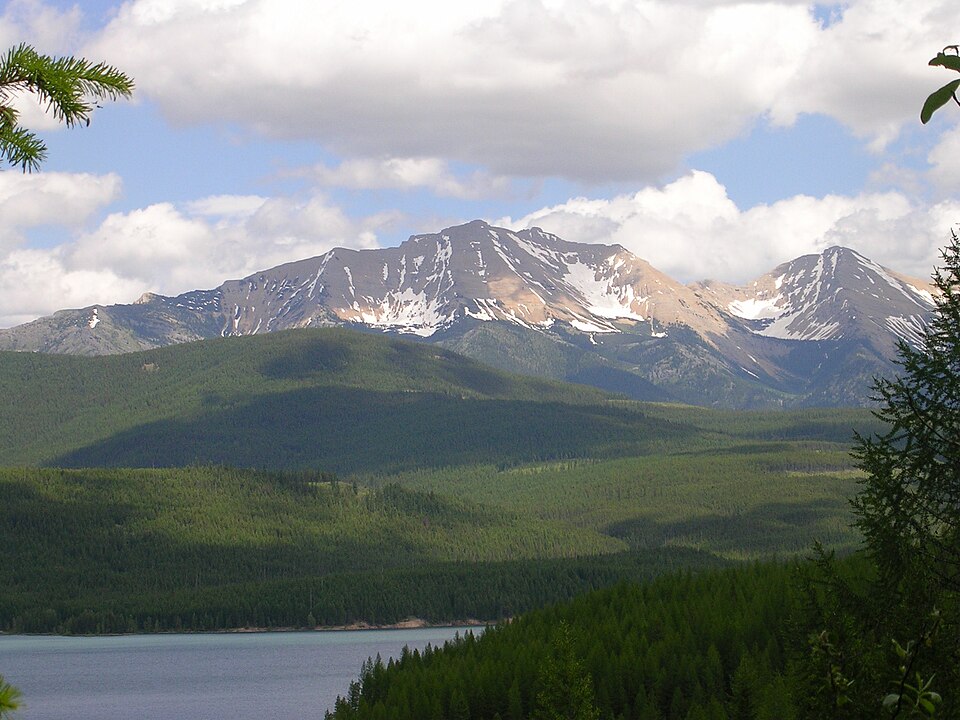
The Flathead Valley experiences repeated bear visits because residential growth sits close to forest cover and riparian corridors tied to Glacier’s broader ecosystem. Kalispell, Whitefish, and Columbia Falls often see black bears, and grizzlies can also move through connected habitat. Late summer and fall bring more reports as bears seek high-calorie foods, including berries and fallen fruit. Unsecured garbage and outdoor pet food can reinforce returns to the same streets. Local programs promote bear-resistant containers and attractant cleanup, aiming to break repeat patterns without harming wildlife.
Missoula Foothills
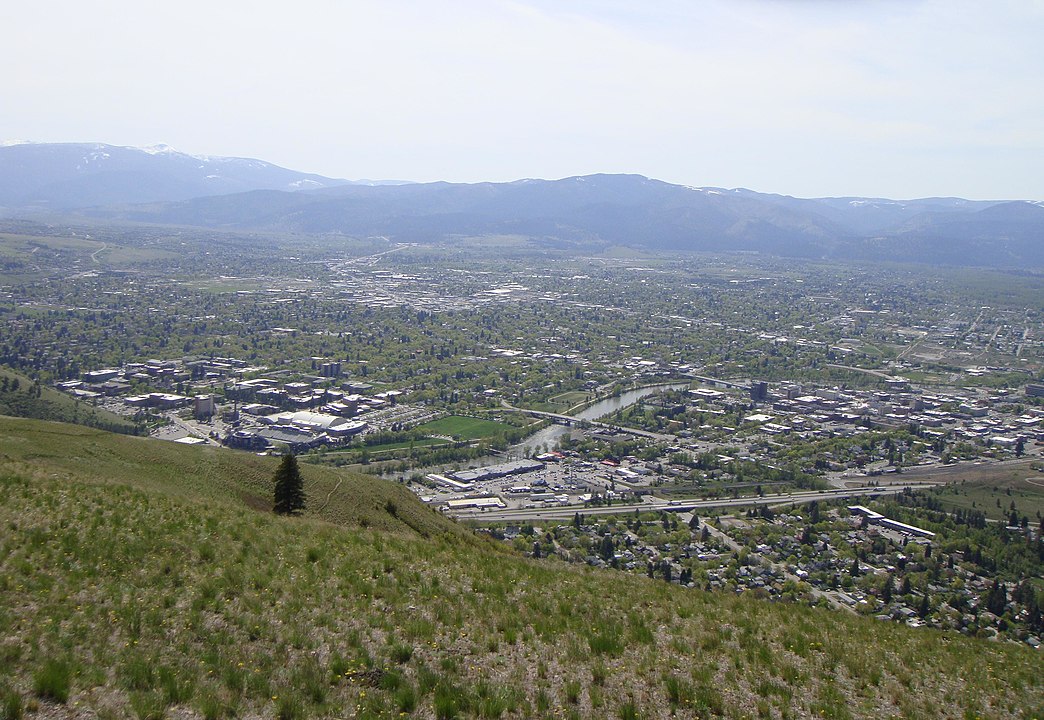
The foothills around Missoula draw repeated bear visits where wooded slopes meet neighborhoods and recreation areas. Pattee Canyon, the Rattlesnake corridor, and Blue Mountain are commonly referenced zones because cover, water, and seasonal foods sit close together. Black bears are most frequently reported, and sightings often rise when dry conditions reduce natural forage and push animals toward easier calories. Public lands access also increases the chance of close-range encounters on trails. Wildlife staff stress secure trash, careful compost storage, and quick reporting so responses can stay targeted and preventive.
Bitterroot Valley
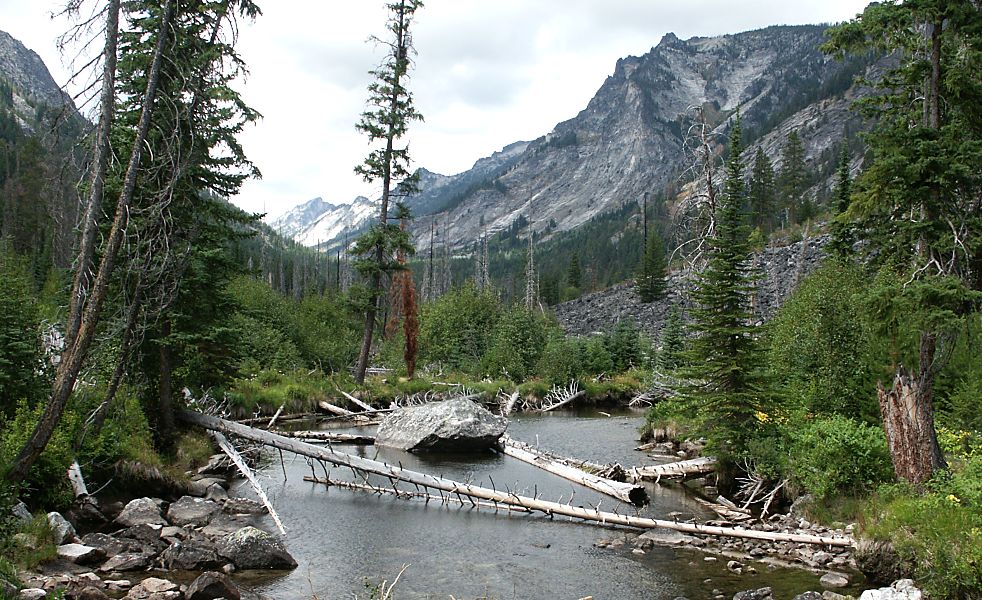
The Bitterroot Valley sees recurring bear activity along its mix of river bottoms, forest edges, and agricultural properties. Communities near Stevensville, Hamilton, and Darby often report black bears returning to familiar areas during late summer and fall, when feeding intensifies before denning. Fruit trees, livestock feed, and poorly stored garbage can encourage repeat visits, even when natural foods remain available nearby. The surrounding mountains provide cover and travel routes that keep movement steady. Conflict reduction efforts focus on attractant removal, electric fencing where appropriate, and consistent community messaging on safe storage.
Gallatin Canyon
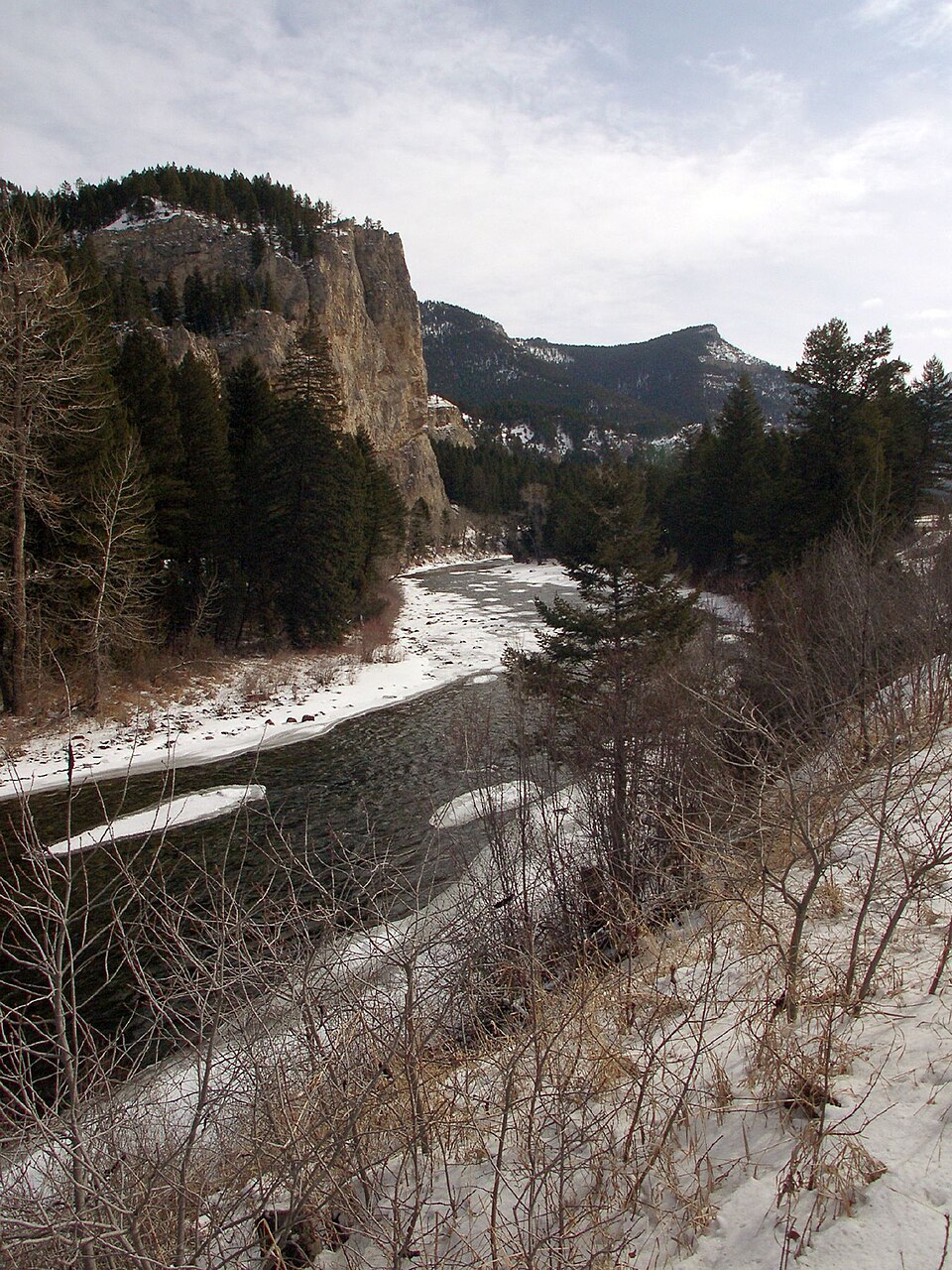
Gallatin Canyon functions as a natural corridor between surrounding mountains, so repeated bear visits are common along the river and forested slopes. Both black bears and grizzlies can use the drainage, and sightings often cluster near recreation pullouts, trailheads, and camp areas where people gather. Seasonal movements can bring bears close to U.S. Highway 191, which increases reports and the need for quick communication. Agencies prioritize clear warnings, careful campsite practices, and responsible food transport to limit recurring problems. The goal stays simple, reduce rewards that pull bears back to the same stops.
Bozeman Area
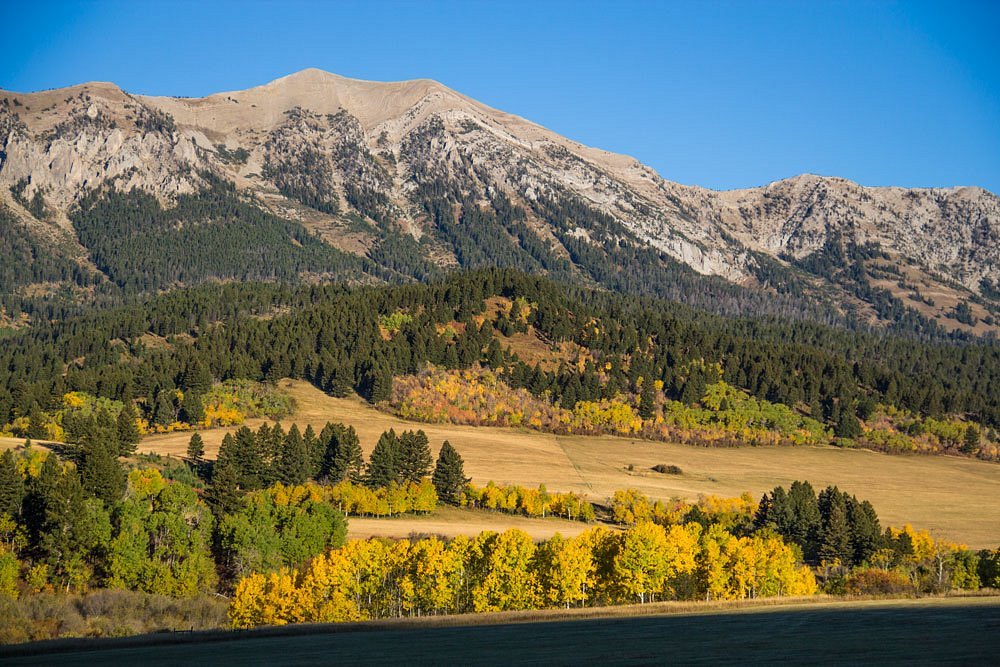
The Bozeman area often reports repeated bear visits because growing subdivisions overlap with foothill habitat and mountain travel routes. The Bridger Mountains and nearby open space can bring black bears close to homes, especially during late summer and fall when calorie needs peak. Bird feeders, trash, and outdoor freezers can create consistent attractants that encourage repeat appearances on the same blocks. Occasional grizzly sightings also occur in the broader region where connectivity remains strong. Local rules and outreach promote bear-resistant containers and seasonal behavior changes that reduce repeat returns without escalating conflict.
Blackfoot River Corridor
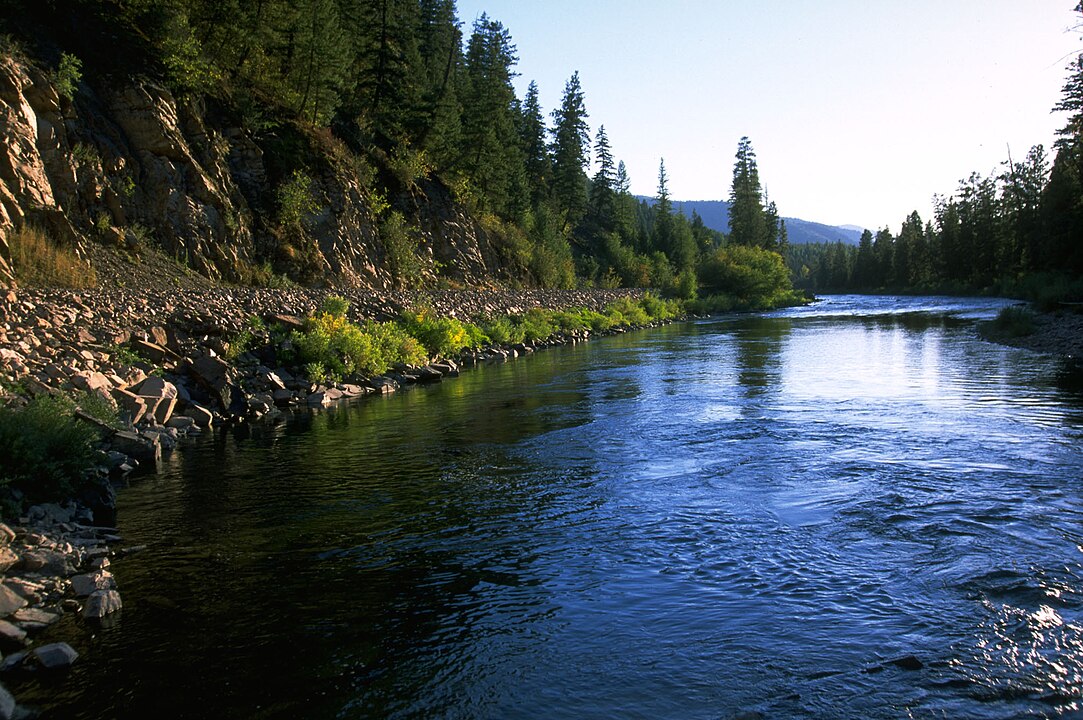
The Blackfoot River corridor supports repeated bear visits because intact riparian habitat provides cover, water, and diverse seasonal foods. Bears can follow the river bottom as a travel route between mountain ranges, which makes sightings recur near the same bends, access points, and camp areas. Berry shrubs and lush vegetation attract feeding, while human activity adds opportunities for careless food storage. Areas near Ovando and popular fishing pullouts often appear in reports. Managers and local groups stress clean camps, secured coolers, and rapid cleanup of fish waste so repeat visits stay tied to natural foraging.
Swan Valley
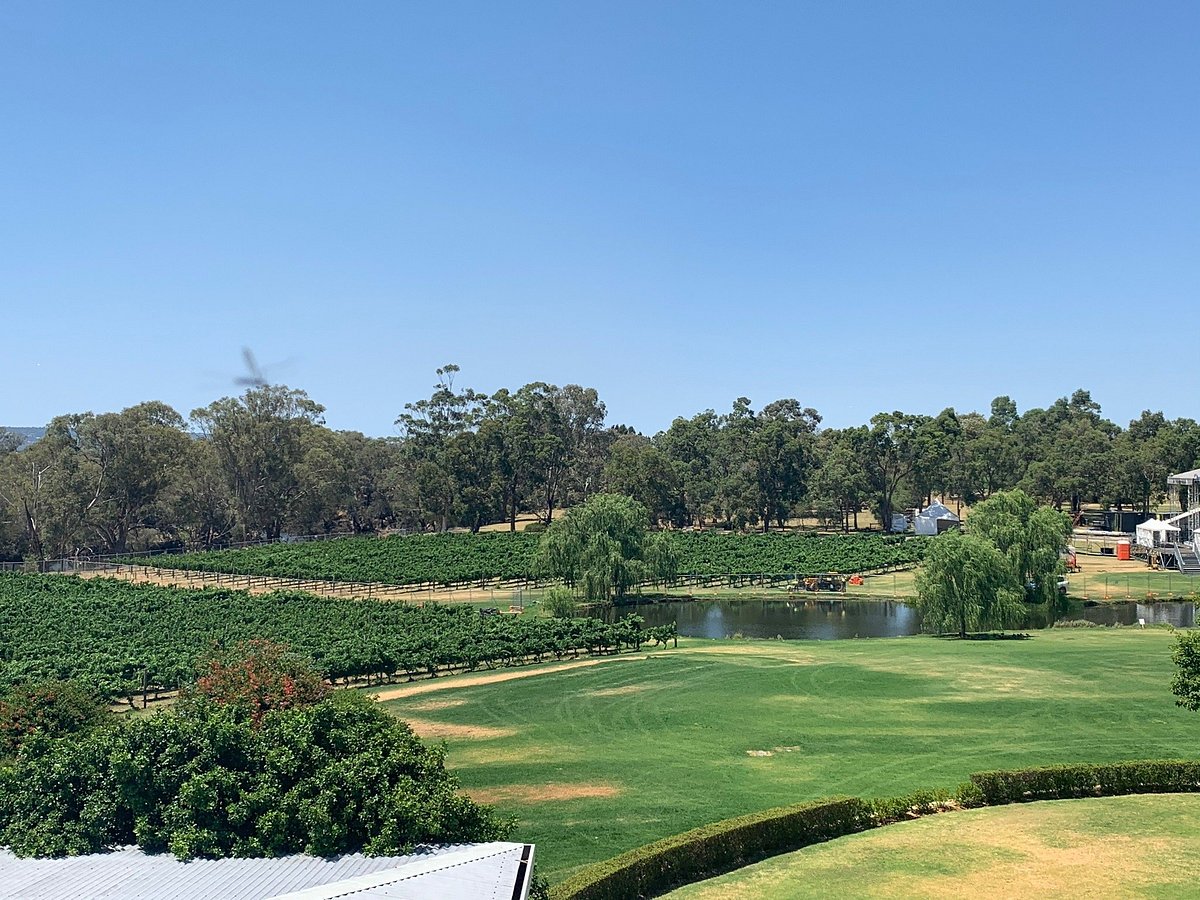
Swan Valley is repeatedly visited by bears because it connects large wild landscapes and offers productive wetlands, forests, and meadows. The area around Condon and the corridor between the Mission Mountains and the Bob Marshall region often sees both black bears and grizzlies moving through familiar routes. Late summer berry crops can concentrate activity, while roads and campgrounds increase visibility and reports. Repeat visits become more likely when attractants are present near cabins or trailheads. Community guidance emphasizes locking up garbage, storing food indoors, and keeping grills clean to reduce repeated patterns near homes.
Cabinet Mountains
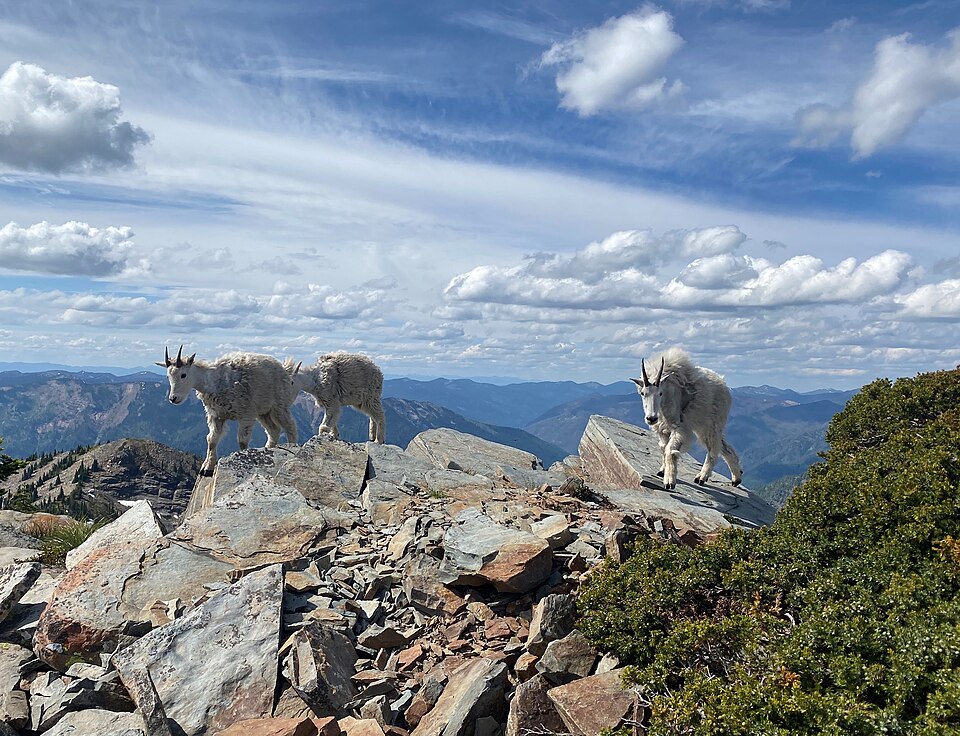
The Cabinet Mountains region in northwestern Montana has repeated bear visits where rugged terrain, thick forest, and low-density communities overlap. Black bears are widespread, and grizzlies also use the broader Cabinet Yaak landscape, which makes monitoring especially important near roads and small settlements. Bears often revisit the same drainages as seasonal foods shift from spring greens to berries and later to carrion opportunities. Repeat incidents can also follow unsecured garbage in remote living areas. Wildlife managers focus on reporting, attractant control, and education that supports safety while allowing natural movement.