Nature presents many wonderful sights, yet caution remains essential around animals that look friendly but attack without warning. Some creatures seem incredibly adorable and perfectly safe for a close encounter until they suddenly strike. Many travelers mistakenly believe that fluffy mammals or graceful birds welcome human interaction. Wildlife behavior remains highly unpredictable even in seemingly calm situations. Animals constantly defend their territories and actively protect their young with surprising ferocity. Recognizing these hidden dangers helps nature lovers stay safe during their wilderness adventures. Approaching wild creatures requires constant awareness and deep respect for their natural boundaries.
Slow Loris
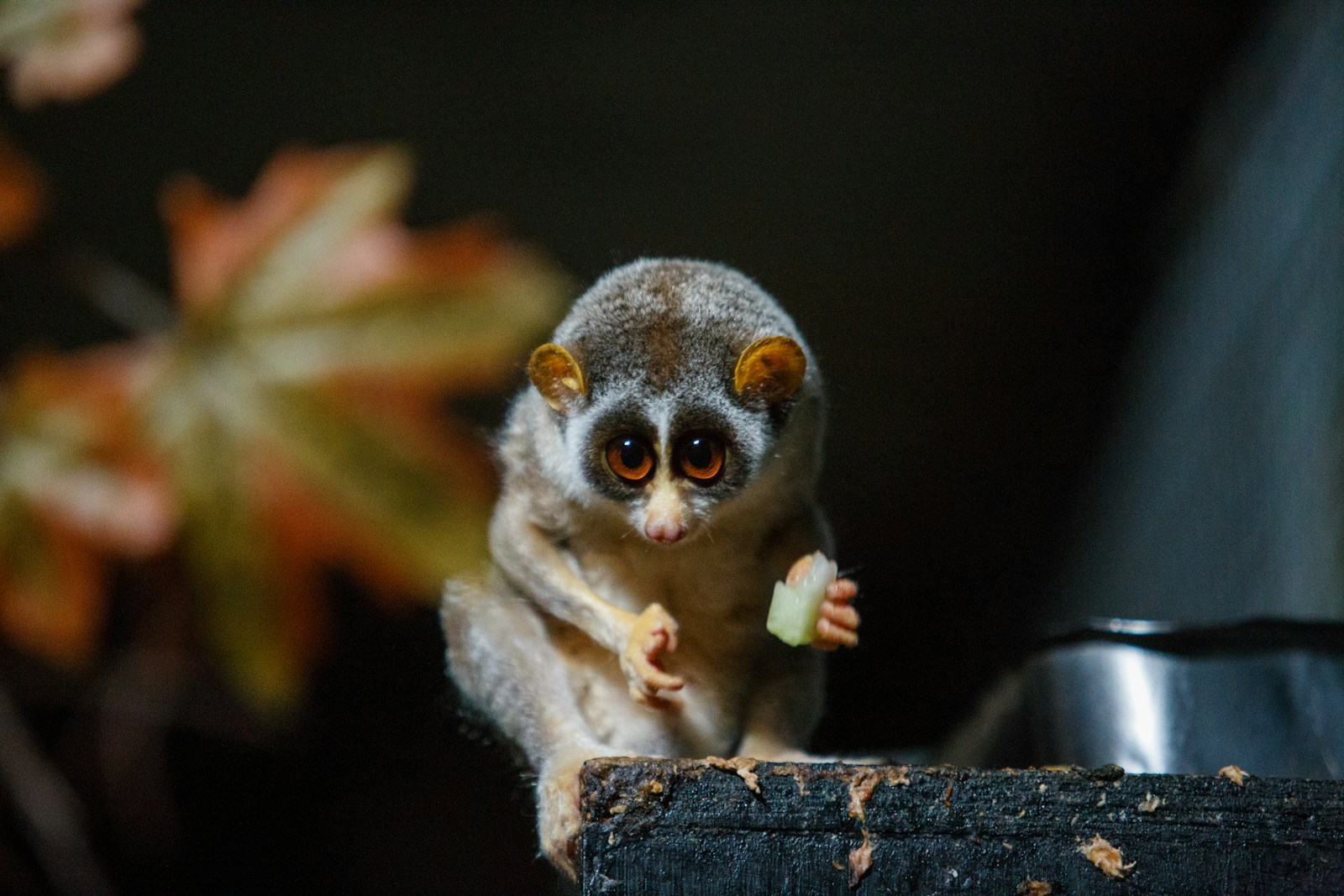
This tiny primate captivates viewers with massive eyes and slow movements across tree branches. Many tourists think the slow loris wants to play when it raises its arms defensively above its head. That specific posture actually signals severe distress and prepares the animal to unleash a highly toxic bite. A specialized gland near the elbow produces venom that mixes with saliva to create a dangerous chemical weapon. Victims experience intense pain and swelling after receiving a bite from this deceptive creature. People should always admire these fragile nocturnal primates from a safe distance in their natural jungle habitats.
Mute Swan
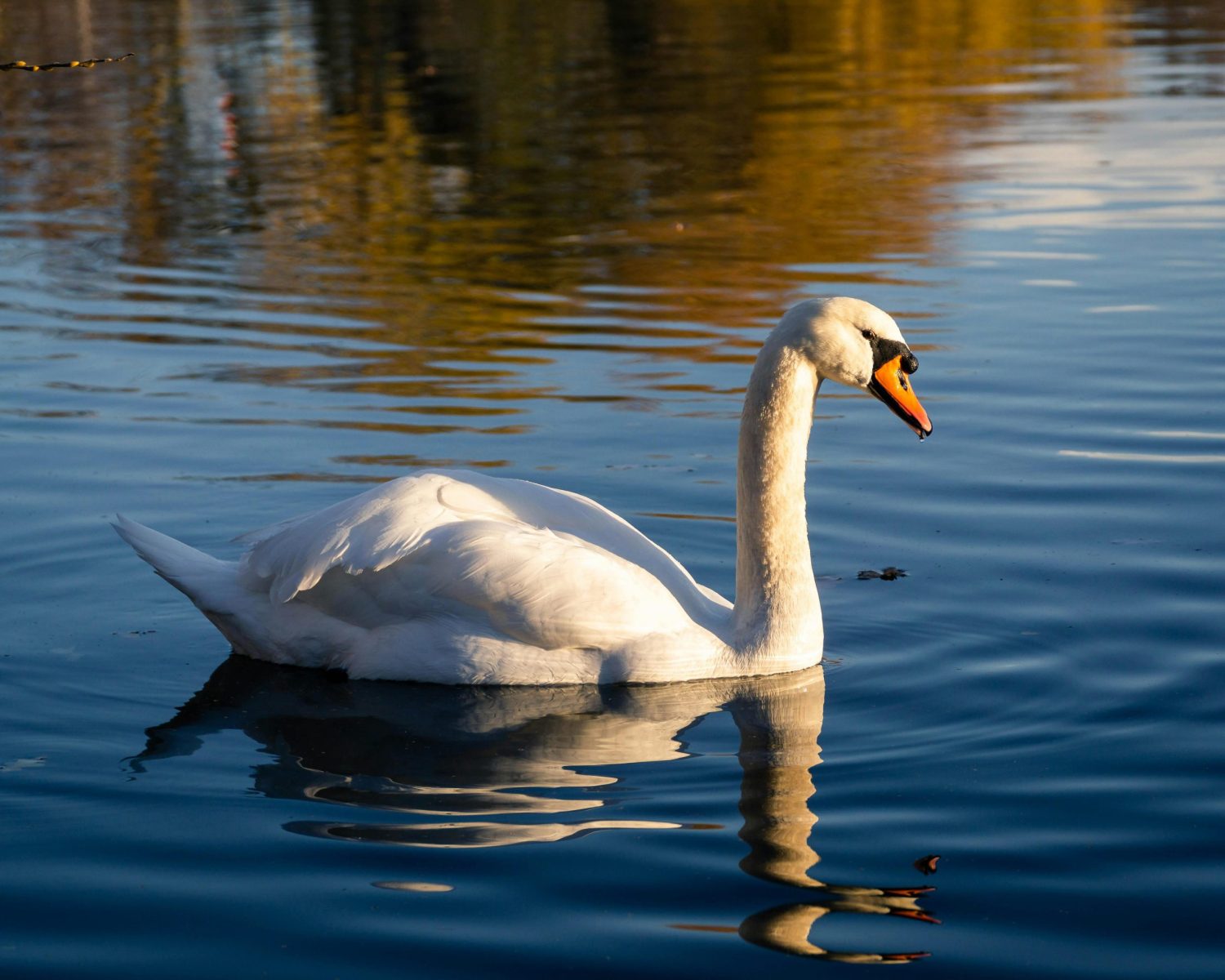
Elegant swans gliding across tranquil ponds create a truly romantic and peaceful atmosphere. Park visitors frequently attempt to feed these gorgeous birds while expecting a gentle response. Mute swans fiercely guard their nesting grounds and will rapidly charge at any perceived threat. They possess incredibly strong wings capable of delivering severe blows to unsuspecting intruders. A threatened swan will hiss loudly before launching a surprisingly aggressive physical assault. People walking dogs near lakes must maintain extreme vigilance during the spring nesting season. Giving these majestic aquatic birds plenty of space prevents painful encounters along the scenic waterfront.
Bottlenose Dolphin
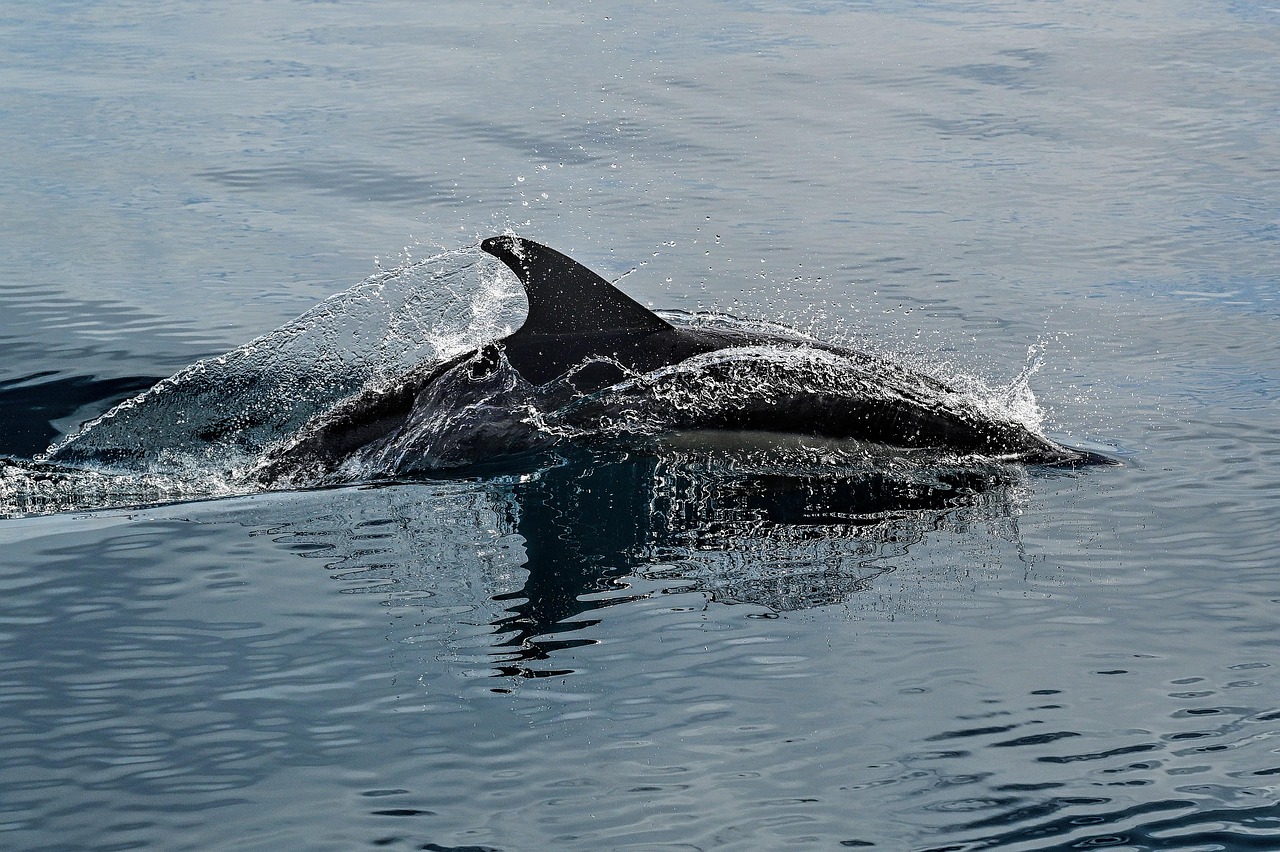
Pop culture paints dolphins as the most joyful and playful residents of the ocean. Swimmers often try to touch wild dolphins when these marine mammals swim near the shore. These highly intelligent creatures are actually apex predators with complex social structures and unpredictable moods. Male dolphins frequently display aggression toward humans who invade their underwater territories without invitation. They can bite with sharp teeth or ram into swimmers with massive force. Beachgoers should appreciate their aquatic acrobatics from the safety of a boat. Treating marine life with healthy respect ensures everyone enjoys their ocean adventures safely.
Moose
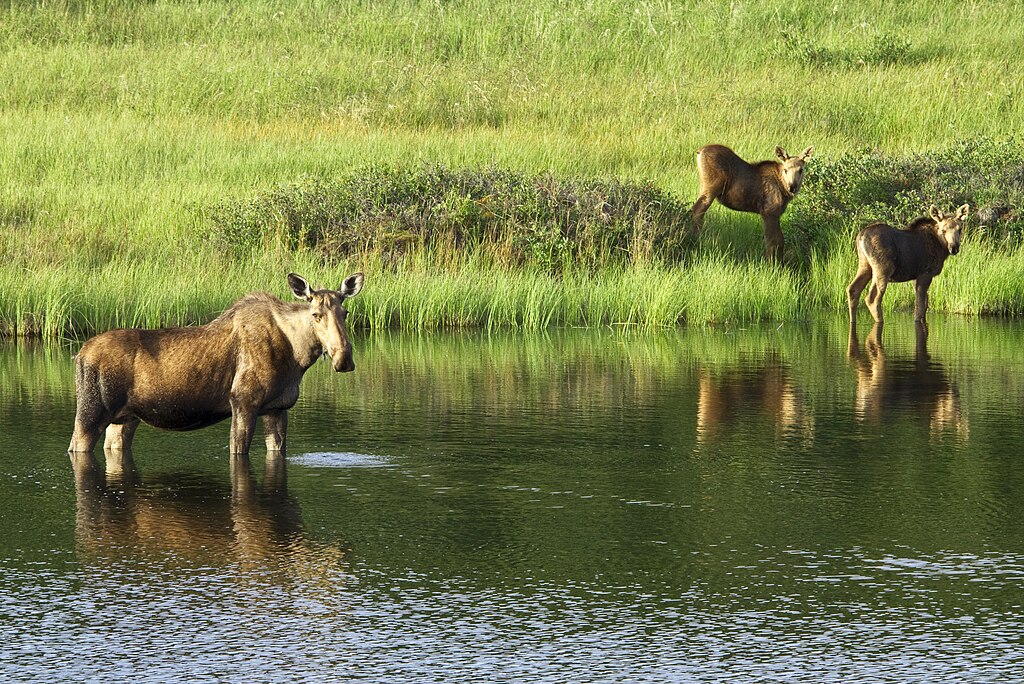
These towering herbivores appear quite clumsy and docile while chewing on leaves in the forest. Tourists frequently attempt to take close photographs because the animals initially seem completely unbothered. Moose actually injure more people annually than bears do across the northern wilderness areas. A mother moose will aggressively trample anyone who accidentally steps between her and her calf. These massive beasts can sprint surprisingly fast and weigh well over 1,000 heavy pounds. Nature enthusiasts must quickly retreat behind a sturdy tree if a moose lowers its head. Watching them through binoculars provides the best and safest viewing experience.
Leopard Seal
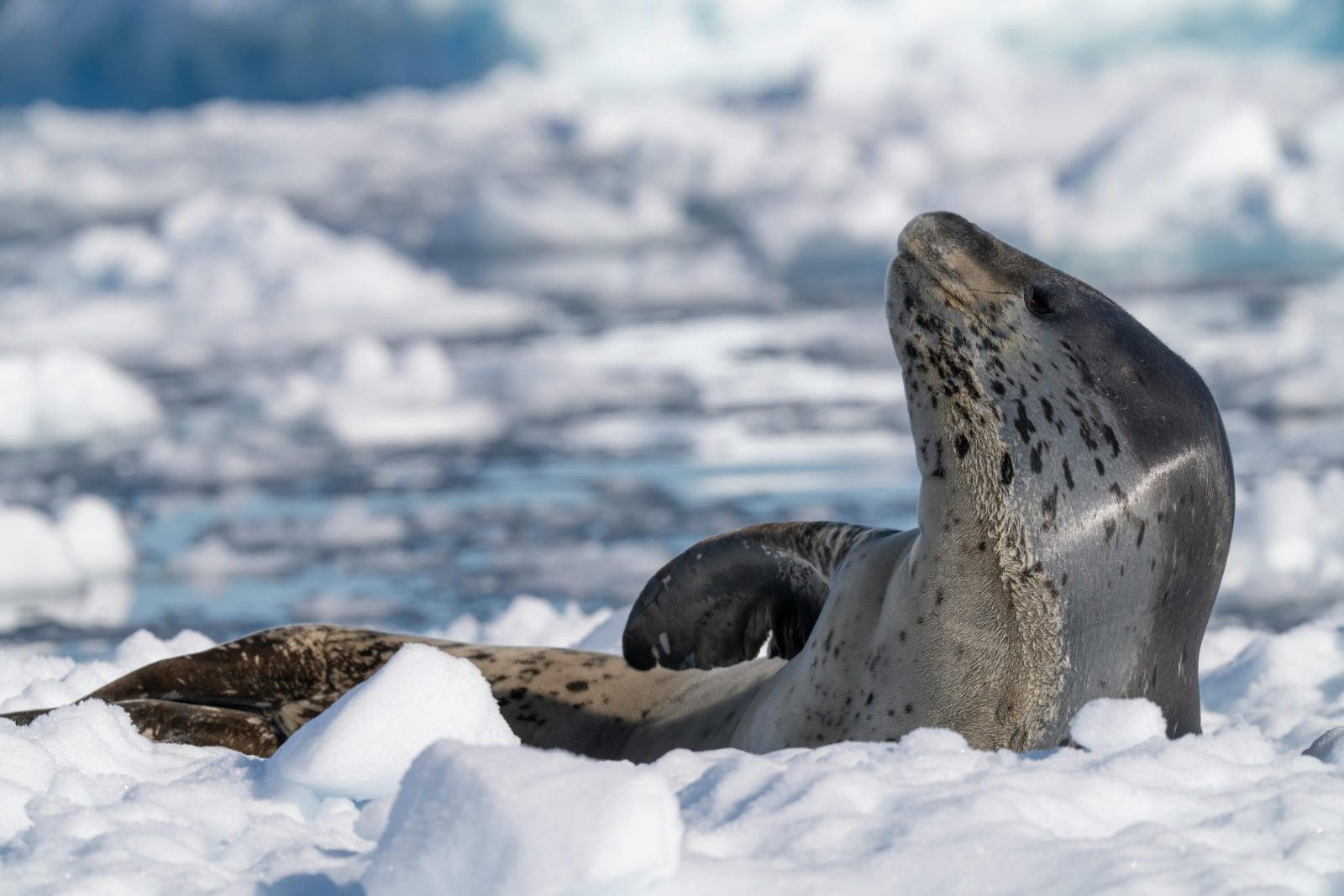
People watching documentaries often admire these spotted marine mammals lounging lazily on the freezing ice. Their doglike faces and large eyes give them an incredibly endearing and friendly appearance. Leopard seals rank as fierce predators equipped with massive jaws designed to crush penguins. Divers and researchers occasionally face terrifying charges from these animals beneath the icy water. They move with lightning speed and drag their victims deep under the frozen surface. Polar explorers must remain extremely cautious when walking near the edges of ice floes. Leaving these powerful hunters alone prevents tragic accidents in the freezing Antarctic environment.
Beaver
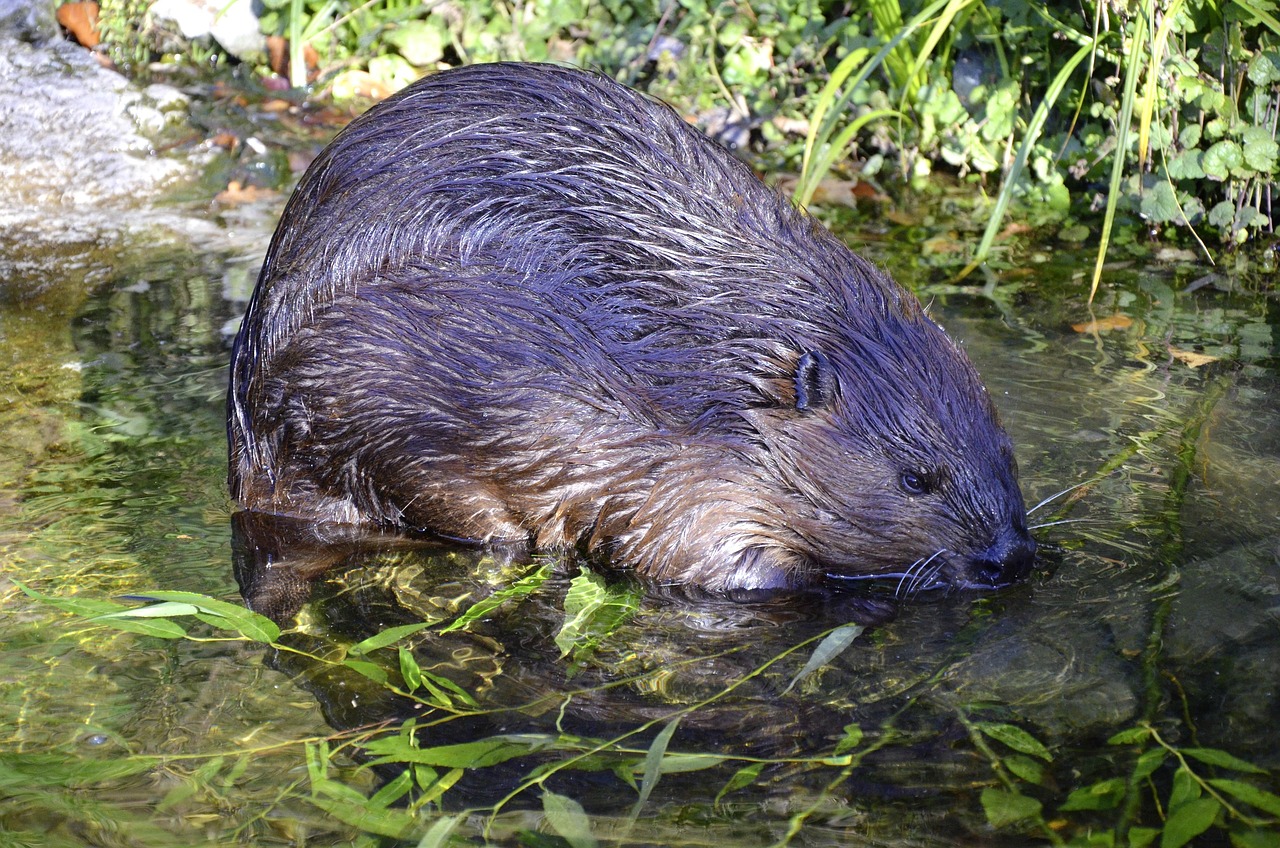
These industrious rodents look remarkably cute while building complex dams in neighborhood streams. Many hikers try to approach them closely to observe their fascinating construction techniques. Beavers become highly territorial and will fiercely protect their watery homes from perceived intruders. They possess long front teeth designed specifically to easily slice through thick tree trunks. An angry beaver will quickly bite a human leg and cause significant tissue damage. Keeping a respectful distance allows observers to enjoy their impressive engineering work without provoking an attack. Wild animals always require adequate space to feel truly secure in their natural habitats.
Kangaroo
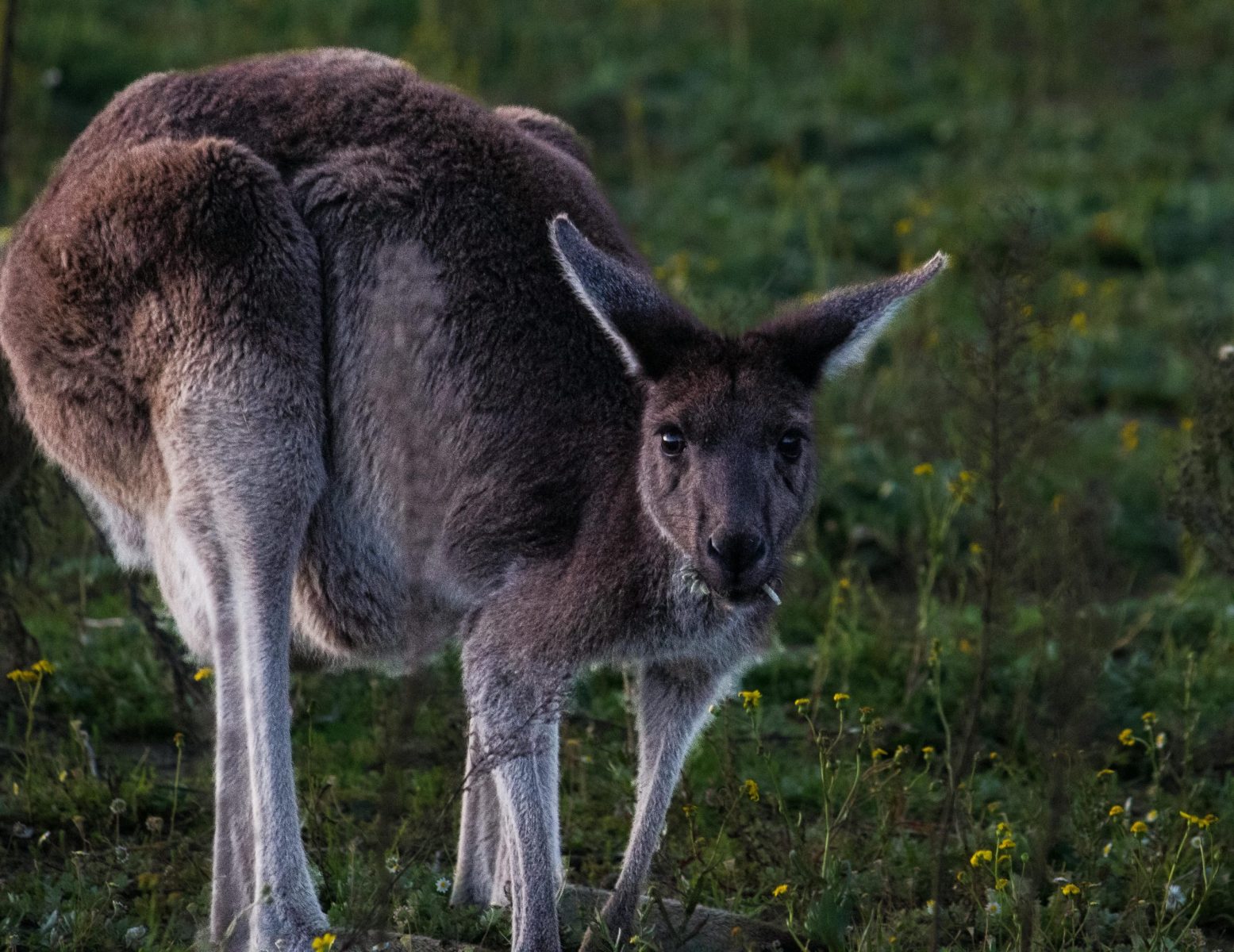
Australia features these iconic marsupials hopping merrily across the expansive outback and local golf courses. Visitors frequently find them charming and want to take selfies with the furry creatures. Kangaroos possess immense muscular strength and use their powerful hind legs for devastating kicks. Male kangaroos frequently engage in brutal fights and view approaching humans as hostile challengers. A single kick from a large adult can easily break human bones or cause internal bleeding. Tourists must resist the strong temptation to feed wild kangaroos during their outback adventures. Staying safely inside a vehicle provides the smartest viewing strategy overall.
Koala
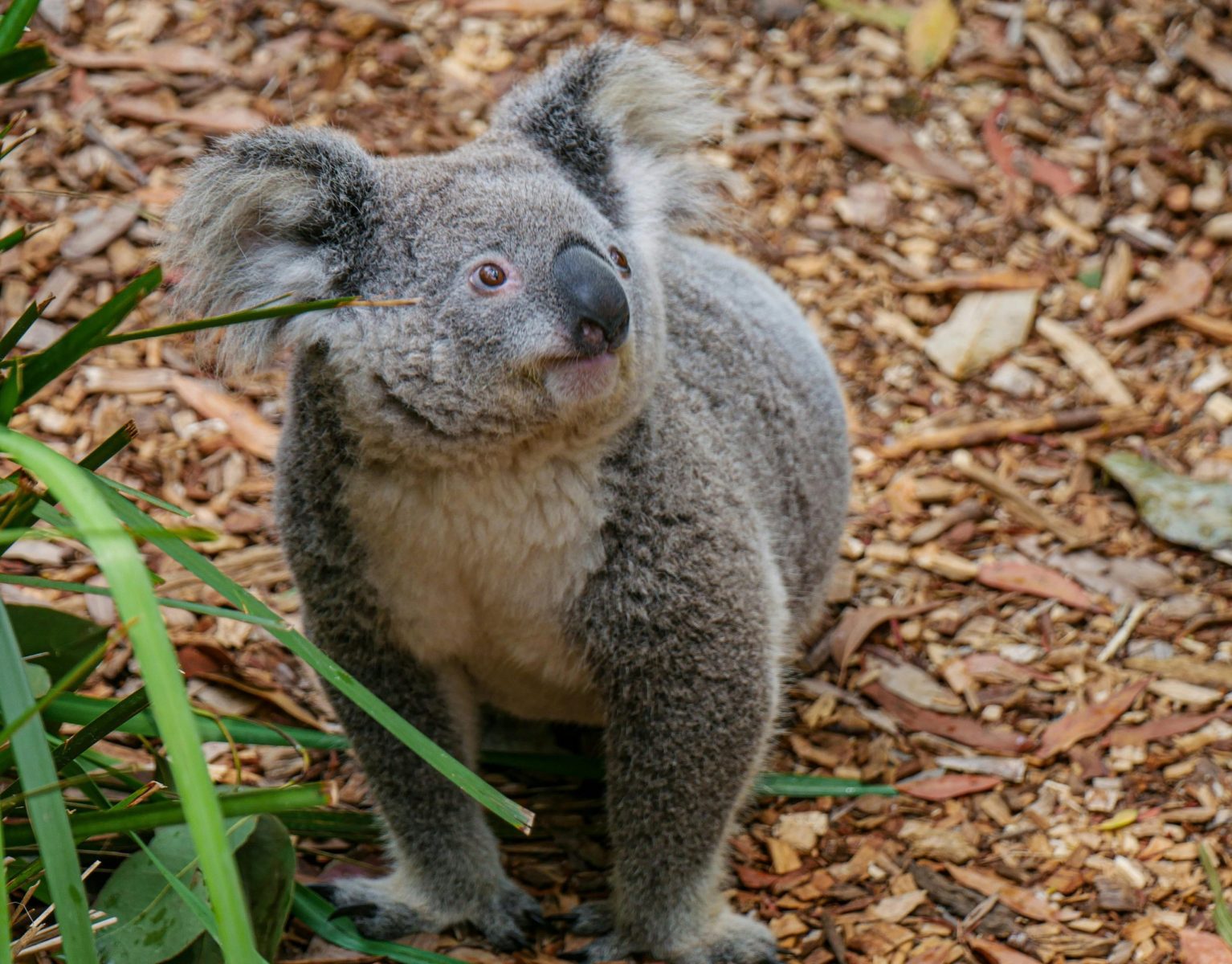
Millions of tourists adore these fuzzy animals resting peacefully high among the eucalyptus branches. Their round ears and button noses make them look like living stuffed teddy bears. Koalas actually have incredibly sharp claws designed for gripping thick tree bark during severe storms. When cornered or scared by approaching humans, they will quickly lash out with surprising speed. They also possess sharp teeth capable of inflicting deep puncture wounds on an unwary hand. People should never attempt to pet wild koalas wandering near busy roads or suburban gardens. Respecting their quiet lifestyle keeps both tourists and animals perfectly safe.
Dingo
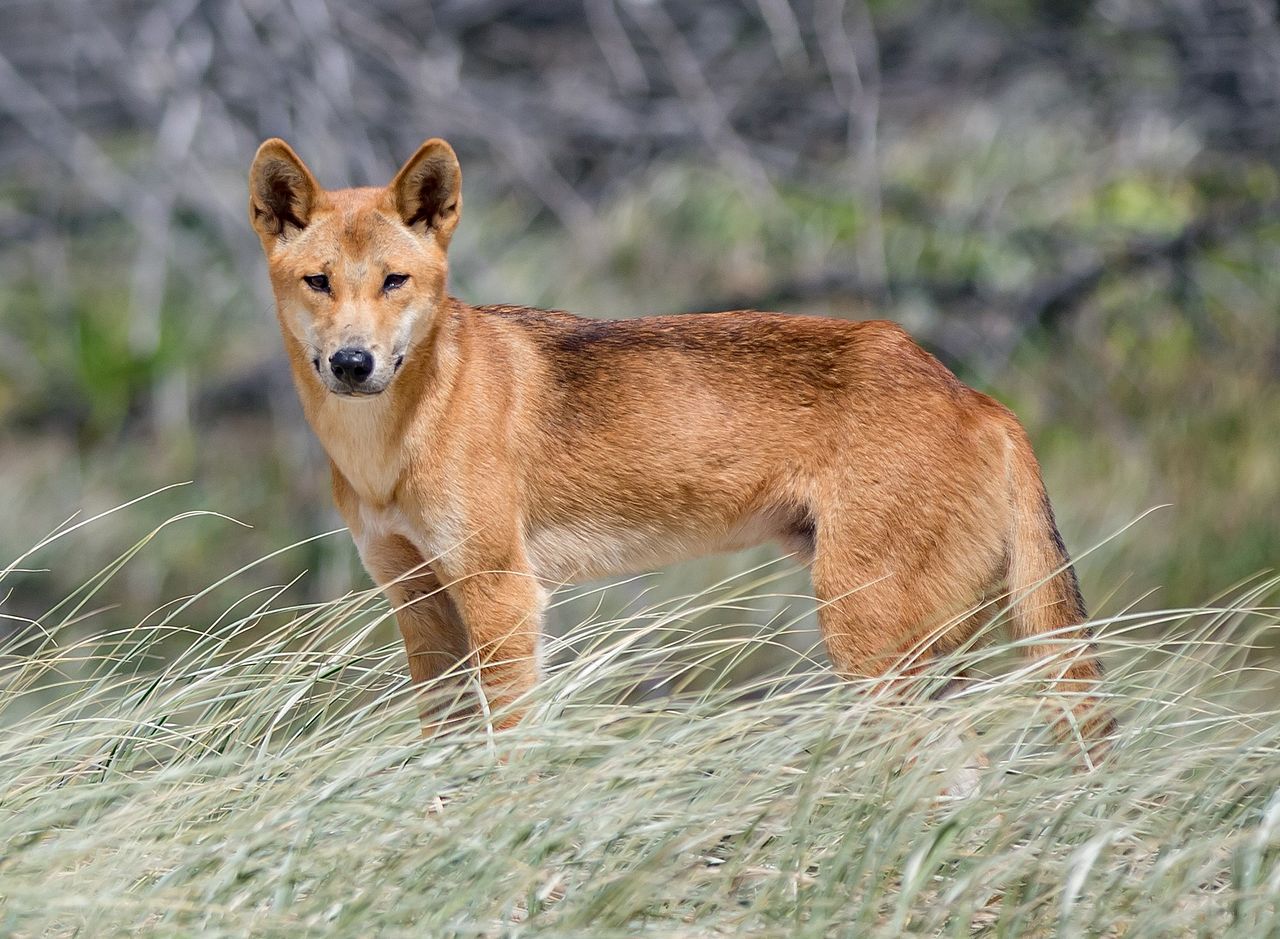
These handsome wild canines strongly resemble domestic dogs running freely across the beautiful sandy beaches. Many vacationers mistakenly assume they behave just like friendly neighborhood pets begging for tasty treats. Dingos remain highly effective pack hunters governed by entirely distinct and fierce wild instincts. They occasionally stalk solitary hikers and can display aggressive behavior around popular family campsites. Feeding dingos destroys their natural fear of humans and inevitably leads to dangerous physical confrontations. Parents must keep young children very close while exploring national parks in coastal regions. Treating them as wild predators prevents tragic encounters in the vast outback.
Raccoon
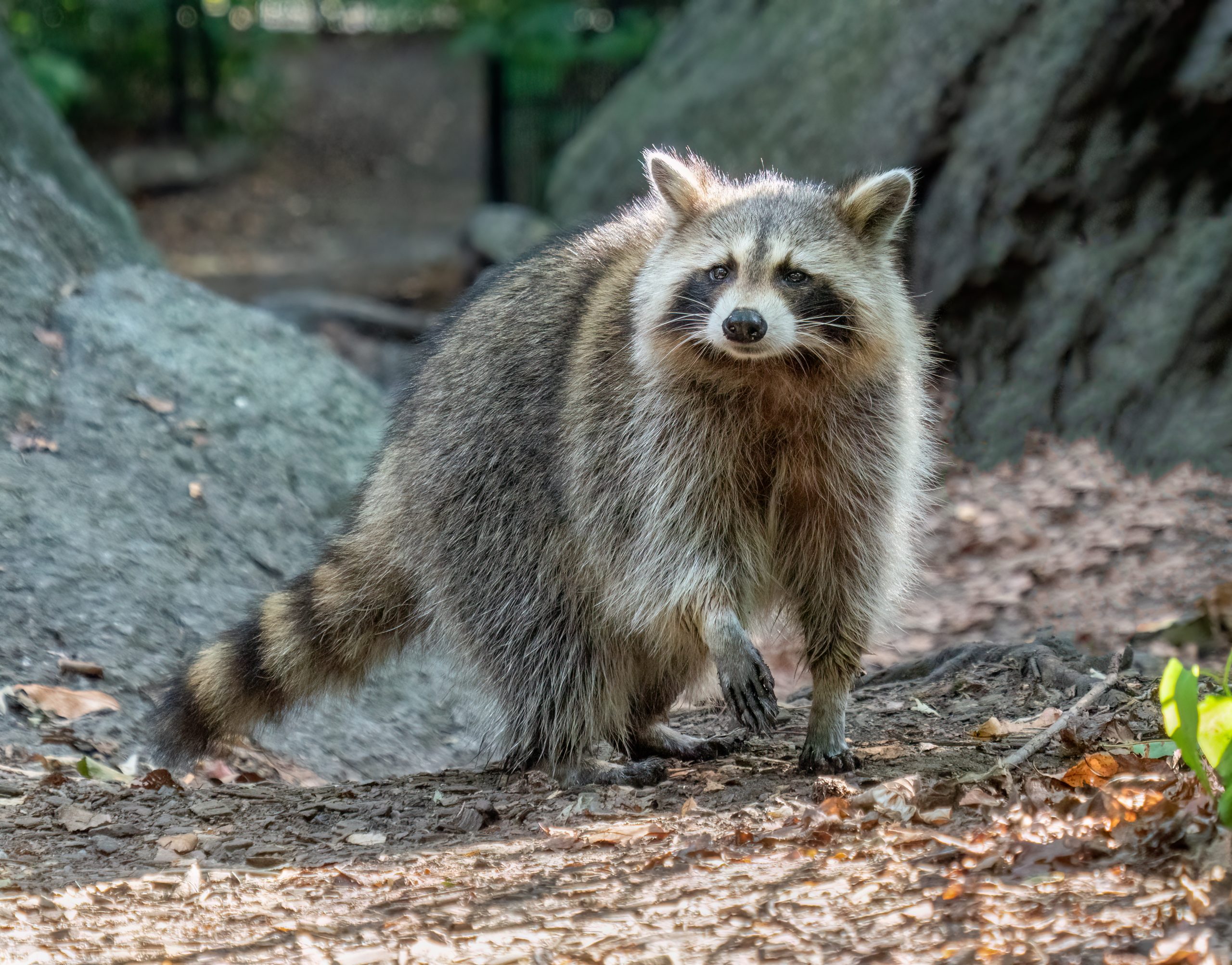
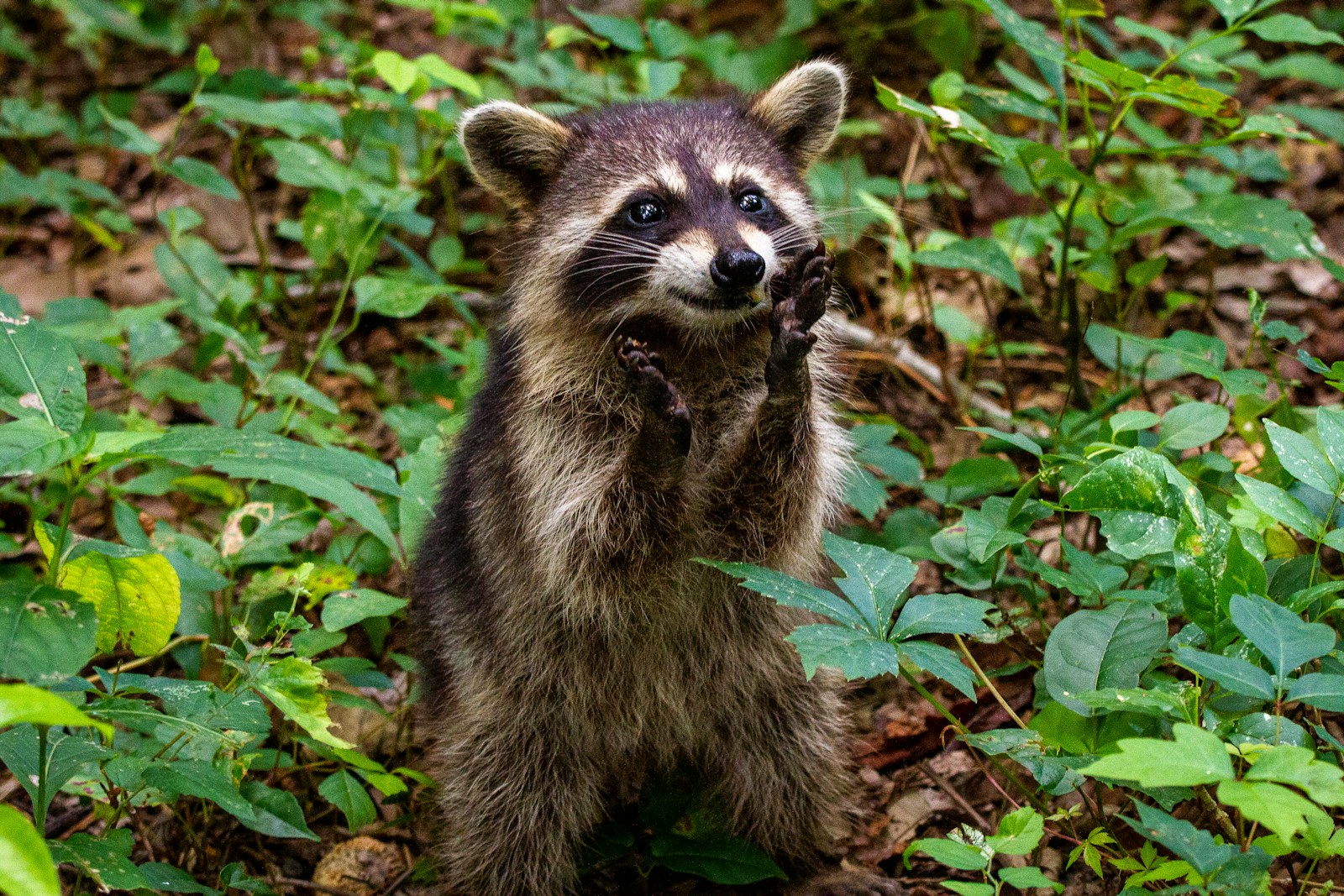
These familiar neighborhood visitors sport charming facial masks and display delightfully clumsy nighttime antics. Homeowners often find them amusing when they tip over garbage cans searching for discarded snacks. Raccoons actually possess terribly sharp claws and aggressively defend themselves if suddenly startled. A scared raccoon will loudly hiss and lunge at anyone attempting to block its escape route. They frequently carry dangerous diseases that spread quickly through deep bites and nasty scratches. Securing trash bins tightly remains the smartest way to discourage these wild bandits from visiting. People must completely avoid feeding any furry critters wandering onto their private porches.