Rainstorms don’t just reshape landscapes; they subtly rewrite how animals move, forage, and react to their surroundings. When the ground cools, scents carry differently, and new water sources appear, wildlife often adjusts its patterns within minutes. These changes might seem small, but they can determine how predators hunt, how prey hide, and how migratory species choose routes. Understanding these shifts reveals a quieter, hidden side of post-storm ecology, where every creature responds to moisture, temperature drops, and fresh sources of food or shelter.
1. Deer Take Shorter, More Cautious Routes Through Wet Terrain
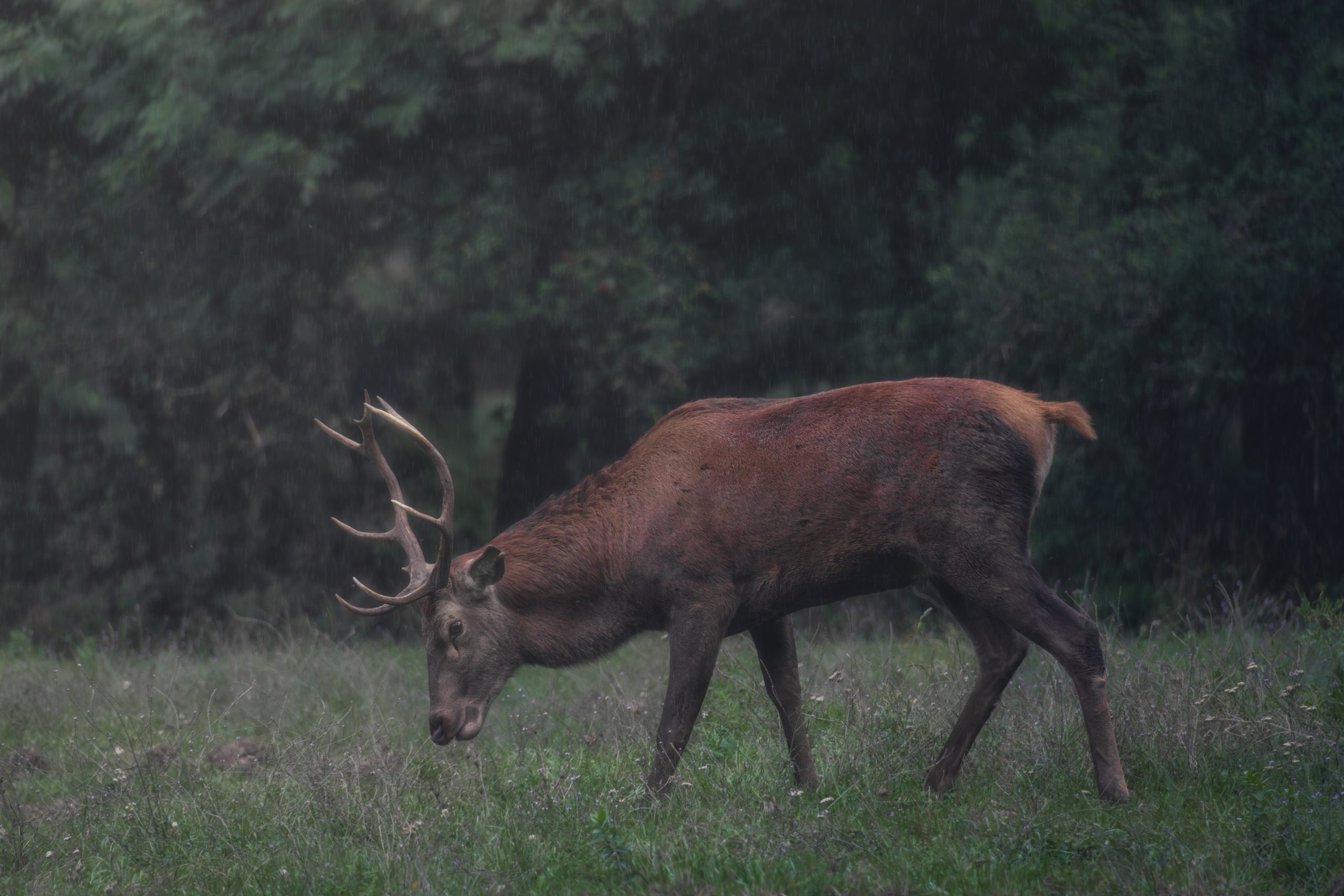
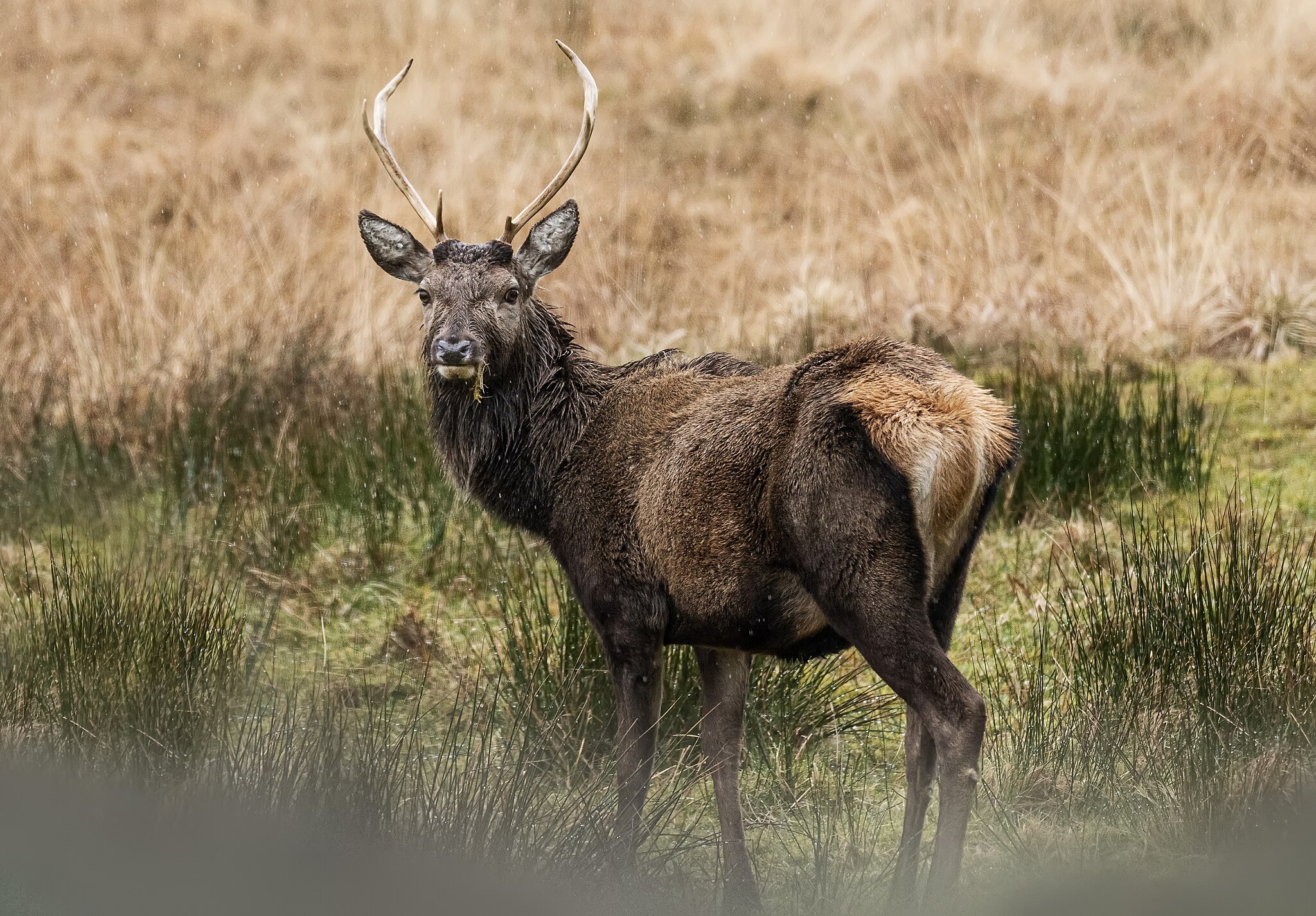
After a heavy rain, deer commonly reduce their travel distance and choose tighter, safer routes where footing is more predictable. Wet leaves and softened soil can muffle their steps, but slippery slopes increase the risk of injury, so they avoid steep paths they’d normally cross with ease. Moist air also holds scent longer, making deer more aware of predators that recently passed through. As new puddles form, deer pause more frequently to drink, shifting them toward low, open ground. This cautious pattern generally lasts until surfaces dry and familiar trails regain stable traction.
2. Coyotes Expand Their Range as Scent Trails Become Easier to Track
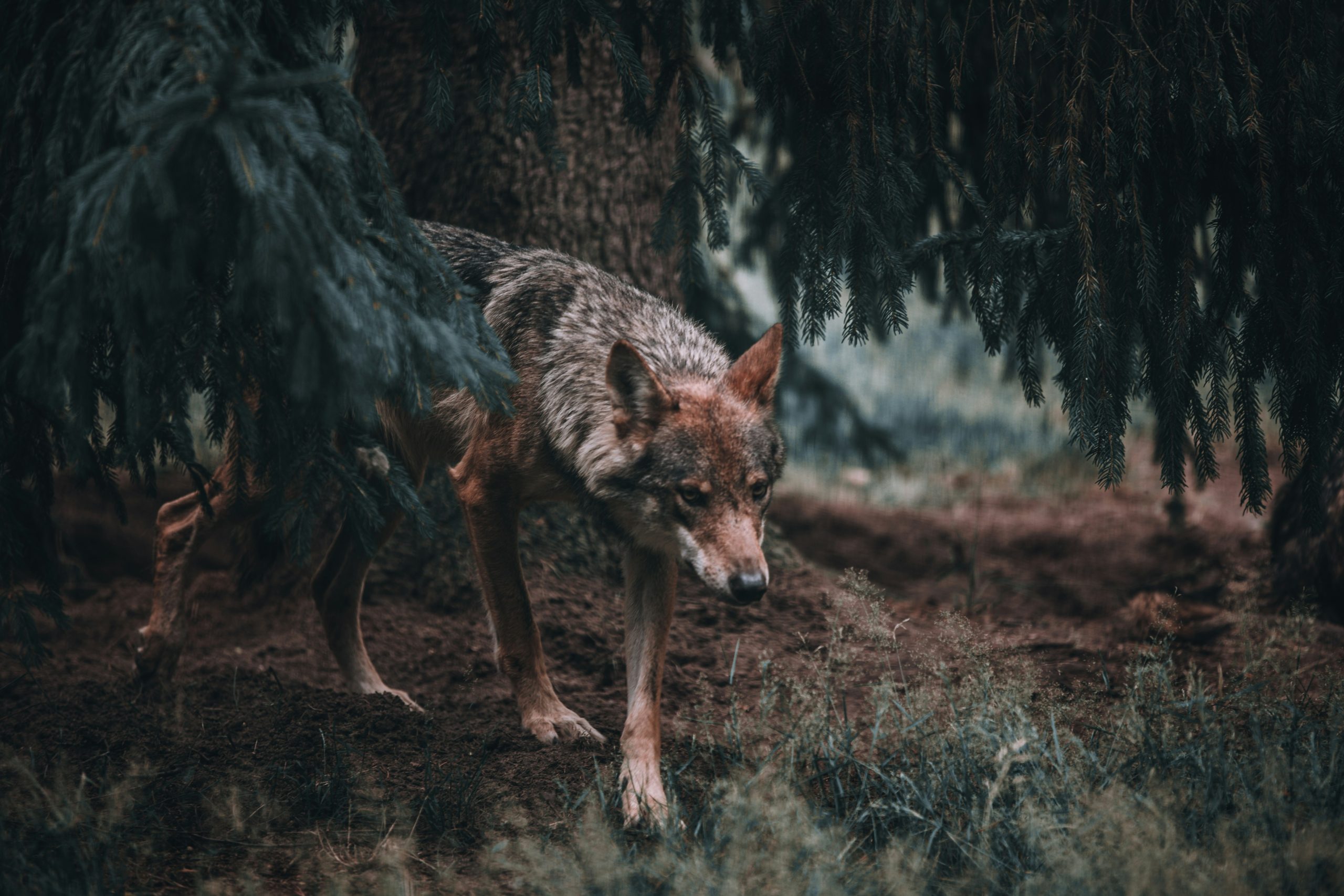
Right after a storm, coyotes often roam farther than usual because damp soil preserves scent in a slow-fading layer that helps them pinpoint prey. Their movements become more sweeping and exploratory, covering old hunting corridors and newly washed edges where rodents may be exposed. Since rain quiets the landscape, coyotes rely less on sound and more on scent, trotting in curving, looping paths rather than straight routes. They may also approach suburban zones more confidently, where backyard scents linger longer. This wider post-rain pattern typically continues until winds scatter moisture from the ground.
3. Snakes Seek Higher, Warm Surfaces and Move With Greater Urgency
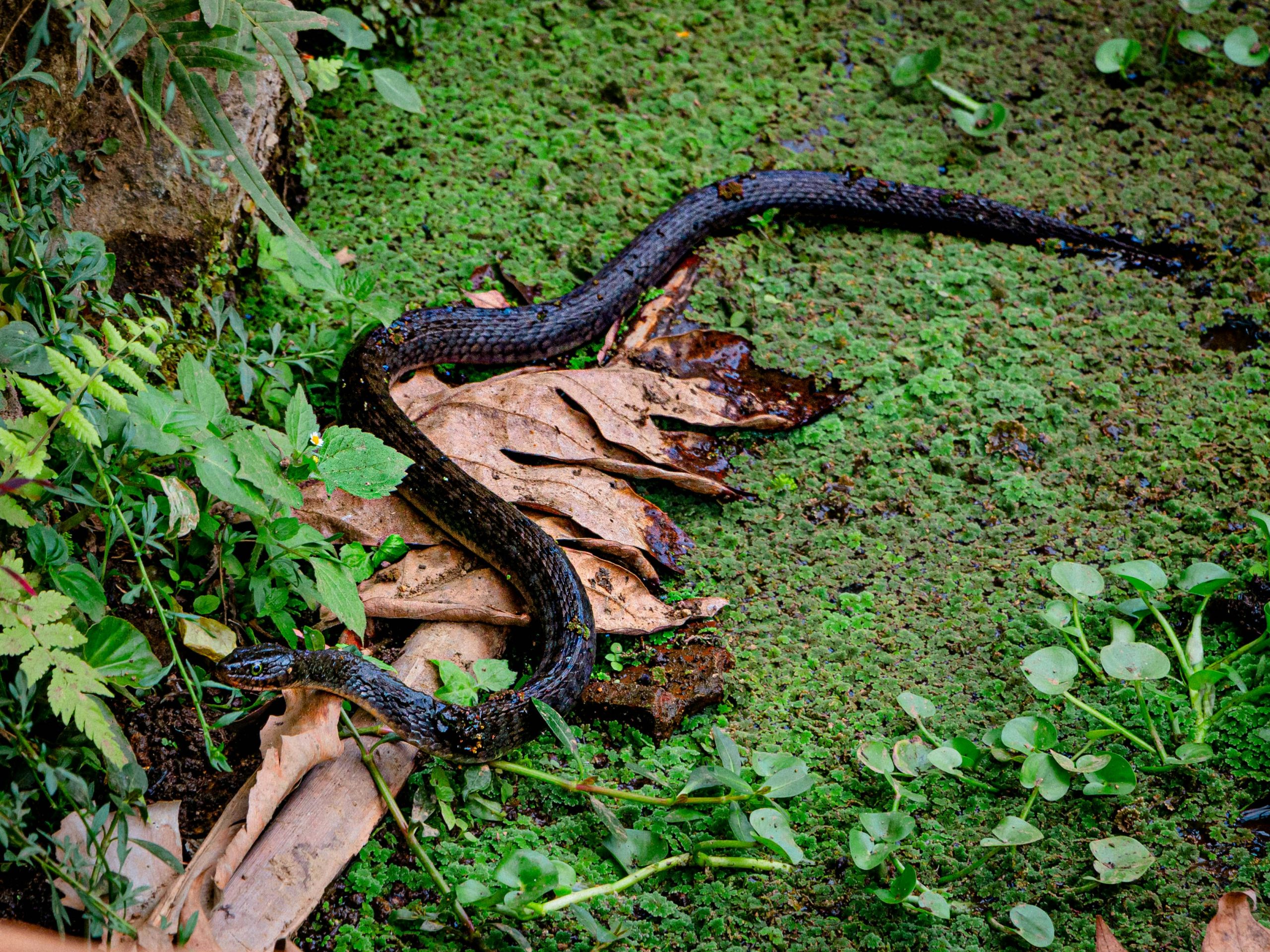
When rain cools the ground, snakes quickly shift from their usual low, shaded paths to elevated or sun-touched surfaces that help them regain body heat. Their movements grow more deliberate and slightly faster as they search for places that dry quickly, such as rocks, fallen logs, or exposed roots. Because rain drives small prey out of burrows, snakes follow newly active scent lines, weaving in tighter, more responsive curves. They avoid saturated soil where their bodies lose heat too quickly. This temporary pattern stays in place until the sun returns and restores ground warmth evenly.
4. Frogs Travel Longer Distances to Reach Newly Formed Pools
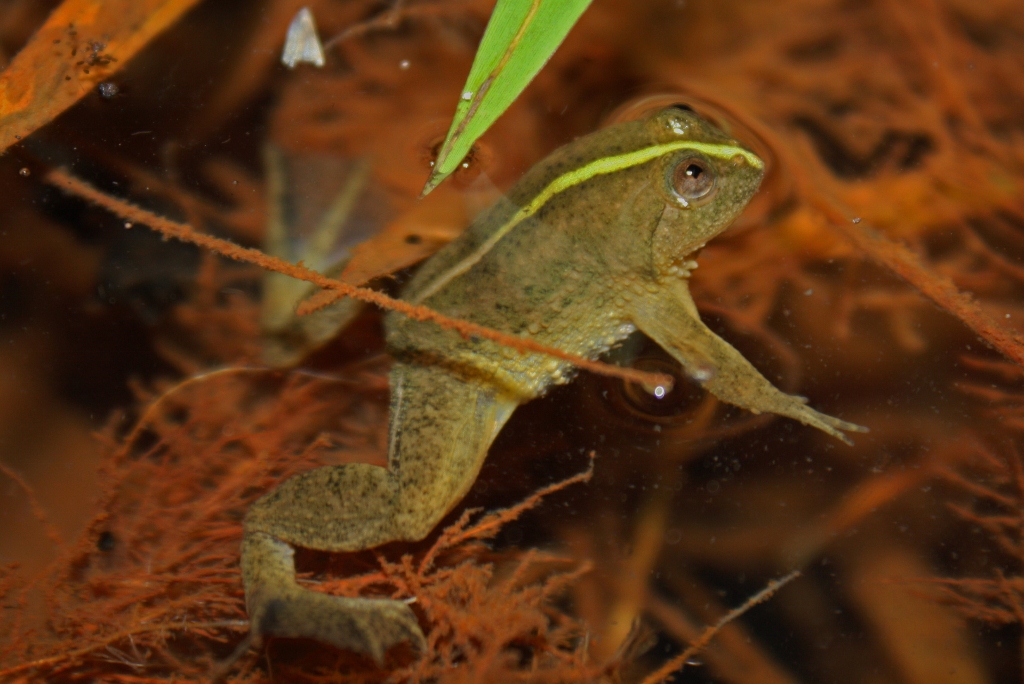
After a rainfall, frogs often travel farther than normal, drawn by the sound and scent of fresh temporary pools that provide ideal breeding spots. Their hopping patterns become more direct and urgent, slowing only when they encounter deeper puddles where insects gather. Moist conditions protect their skin from drying, allowing them to cover ground they’d avoid on hotter days. The softened soil also makes burrow entrances easier to locate, and frogs may weave between vegetation in a more fluid, roaming path. This extended movement usually stops when pools start shrinking again.
5. Raccoons Wander Into Open Spaces in Search of Washed-Out Food Sources
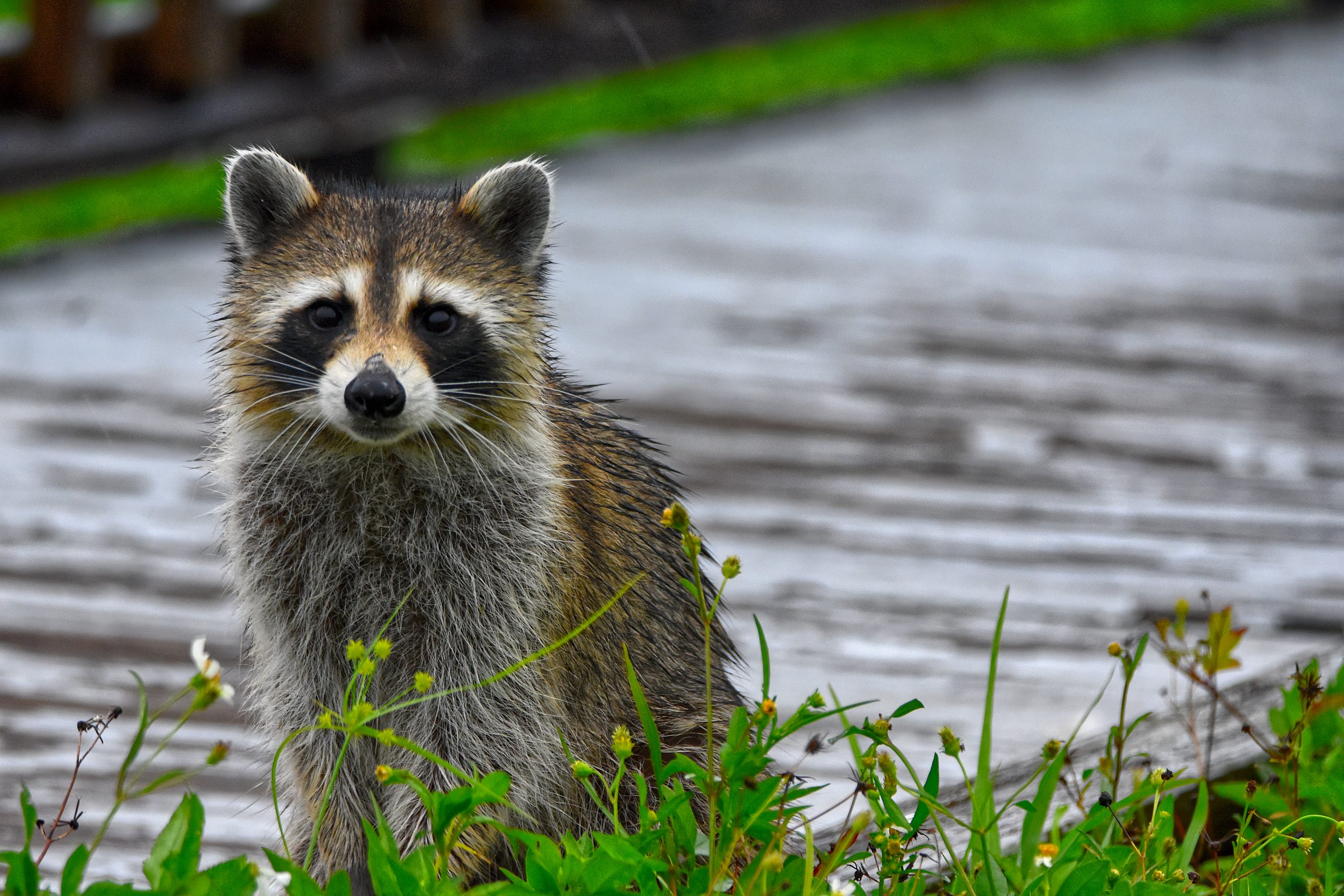
Raccoons shift from cautious, edge-hugging travel to more adventurous paths across open areas after heavy rain, knowing that water often reveals edible scraps, insects, and small crustaceans. Their steps become slower but more investigative, pausing at clogged gutters, puddles, and overturned soil where scents concentrate. Because rain dampens competing odors, raccoons rely more on visual cues and tactile searching, making their routes appear zigzagged rather than direct. They may roam longer than usual as storm runoff pushes new food into accessible spots. Once the ground dries, they return to nighttime cover.
6. Birds Glide Lower and Follow Ground-Level Air Currents
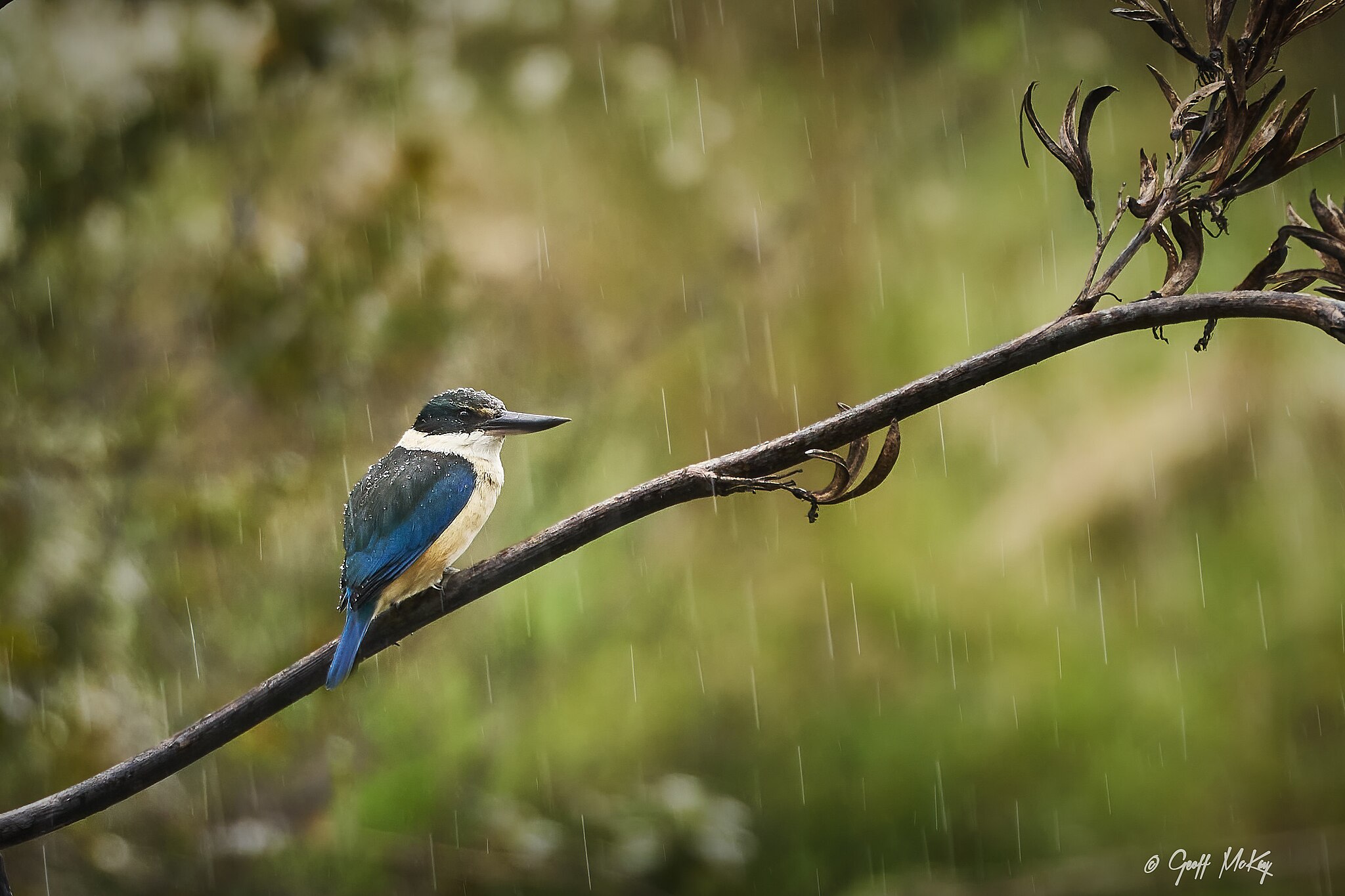
After a storm passes, many birds adjust their flight patterns by gliding lower than normal to take advantage of calm, moisture-heavy air near the ground. This layer creates smoother lift and helps them conserve energy after waiting out the storm. Their movements become more sweeping and measured, often following newly exposed insects along wet grass or shallow water. Birds also perch more frequently on low branches, gauging wind changes and scanning for easy prey. This near-ground navigation lasts until the atmosphere warms and familiar thermal currents rise again.
7. Wild Boars Shift Toward Soft Soils for Easier Foraging
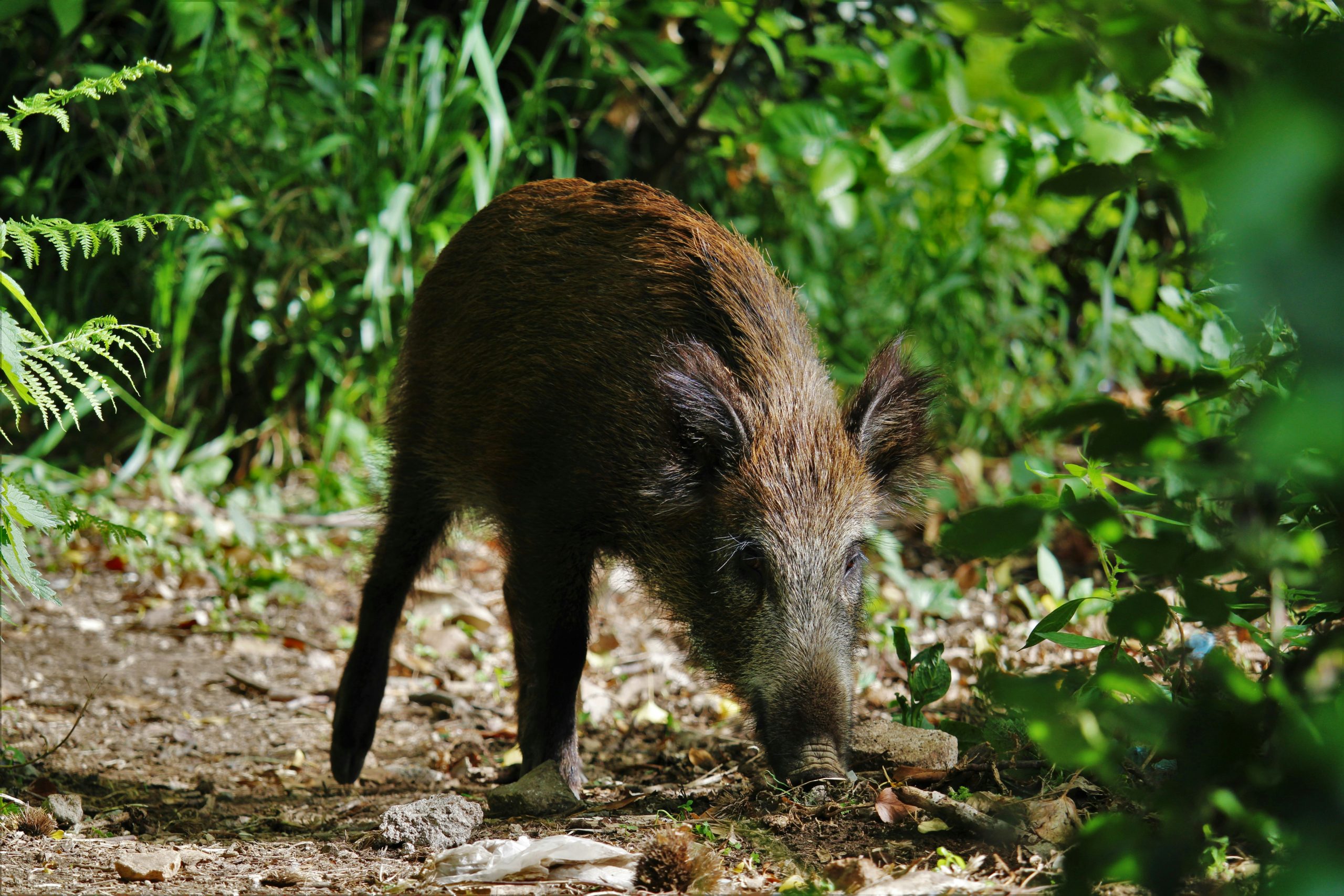
Once rain softens the forest floor, wild boars change their movement from steady, directional travel to more meandering routes that zigzag through muddy patches rich with uprooted shoots and worms. The loosened soil allows deeper rooting, so they revisit areas they’d normally pass by. Their pace slows as they investigate moisture-rich pockets where insects concentrate. With their strong sense of smell amplified by damp air, boars follow shorter but more intensely focused loops. They continue this pattern until the soil firms up and subterranean food sources retreat deeper underground.
8. Rabbits Stay Closer to Burrows but Move More Frequently
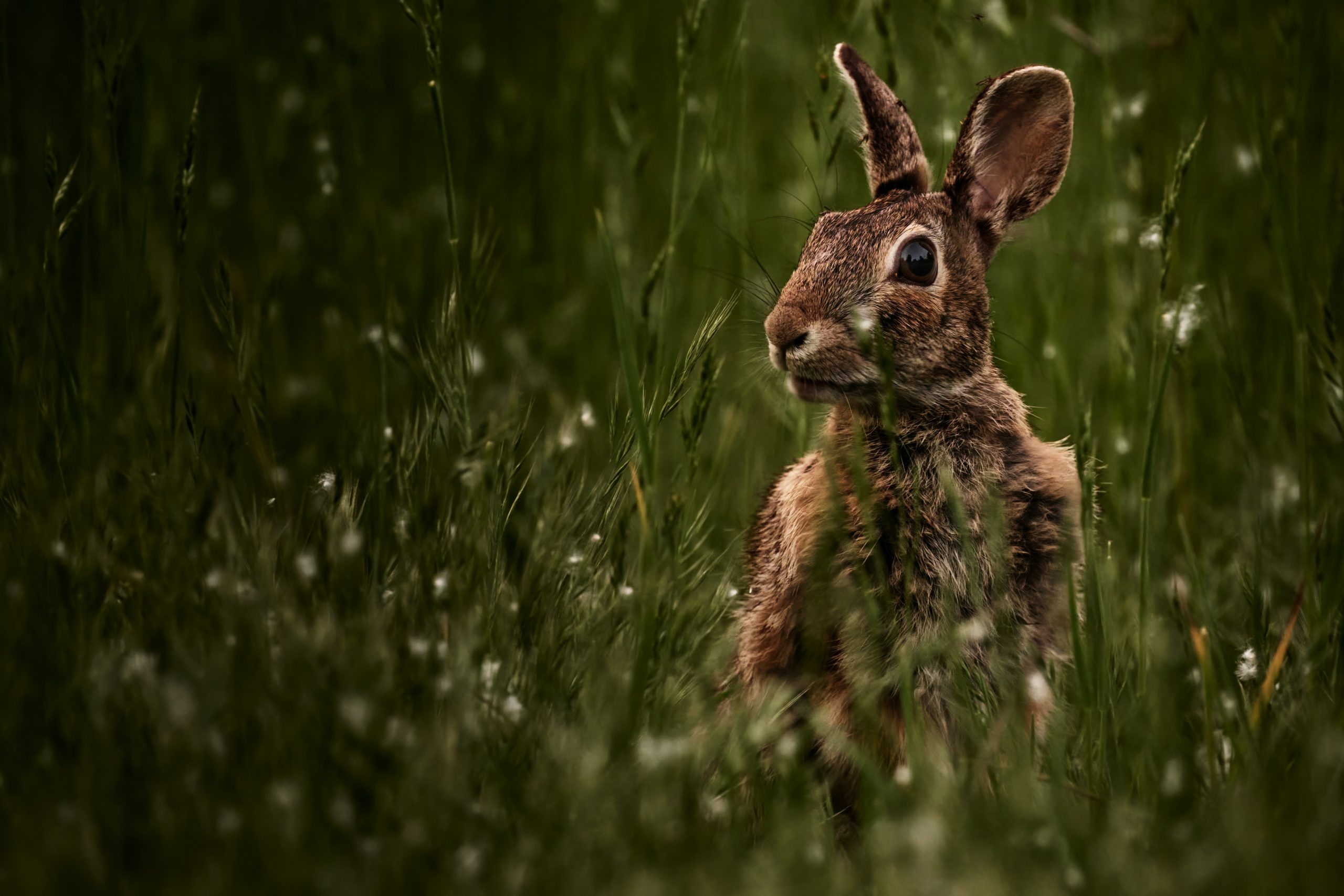
Following rain, rabbits limit their range but increase the number of small, quick movements they make around their burrow systems. Wet vegetation provides abundant cover, letting them dart between hiding spots with confidence. They sit upright more often, listening for predators whose steps are harder to detect on soggy ground. Rain also brings fresh scents that help rabbits locate greens and shoots, making their travel tight and circular rather than long-distance. This cycle of short, repeated trips lasts until the ground noise returns and predators regain their usual stealth.
9. Bears Follow Stream Edges as Runoff Concentrates Scents
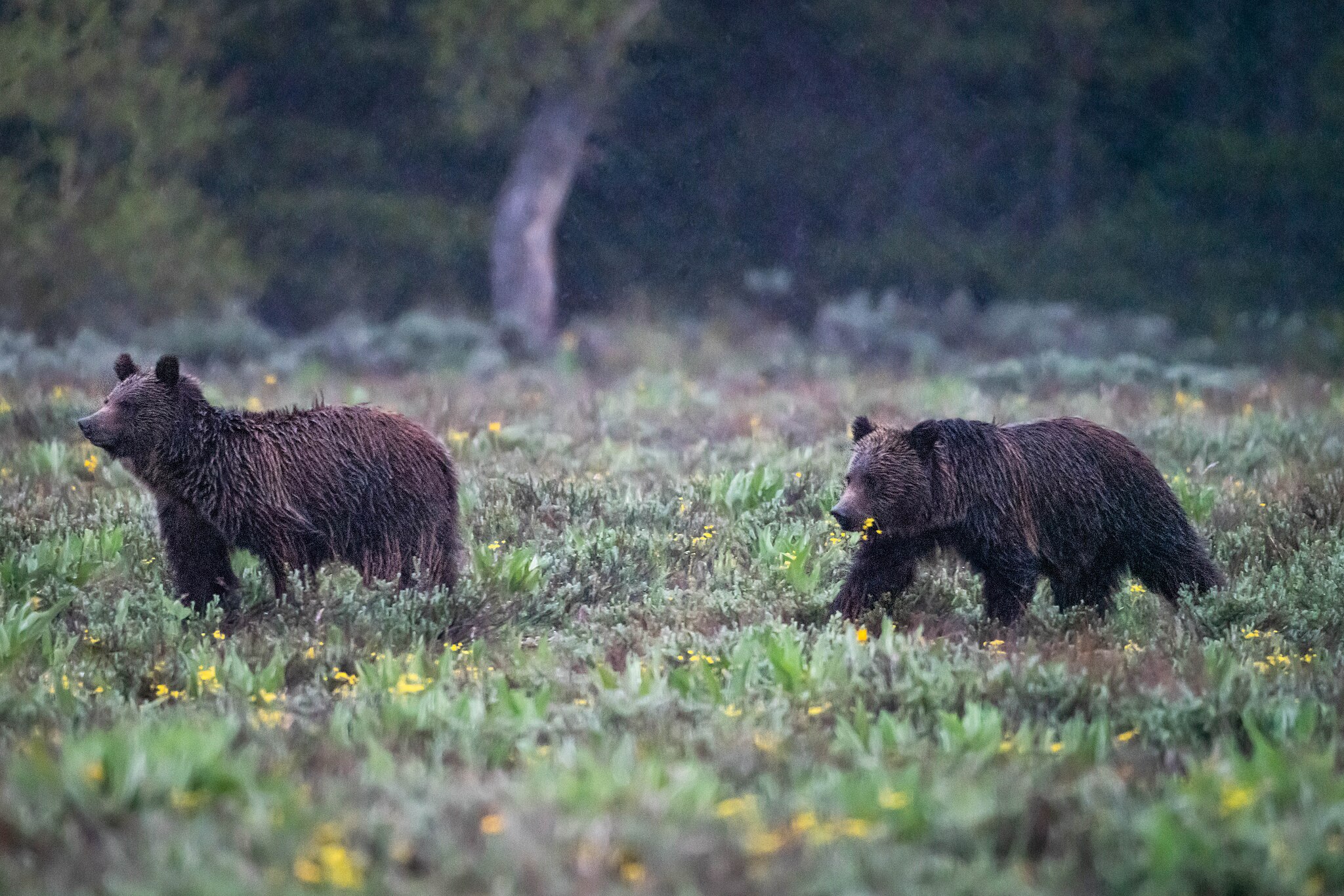
After a storm, bears shift their normally wide, roaming paths toward creeks and stream edges where runoff gathers scents, fish, berries, and small animals flushed from hiding. Their movement becomes slower but purposeful, often tracing the same waterline in long, sweeping sections. Wet ground softens their heavy steps, letting them move surprisingly quietly while foraging. Because storms knock down fruit and branches, bears also check newly fallen debris, looping back when they sense food potential. They return to broader, high-ground routes once waterways clear and scent lines fade.
10. Foxes Adjust Their Routes to Hunt Along Freshly Washed Ground
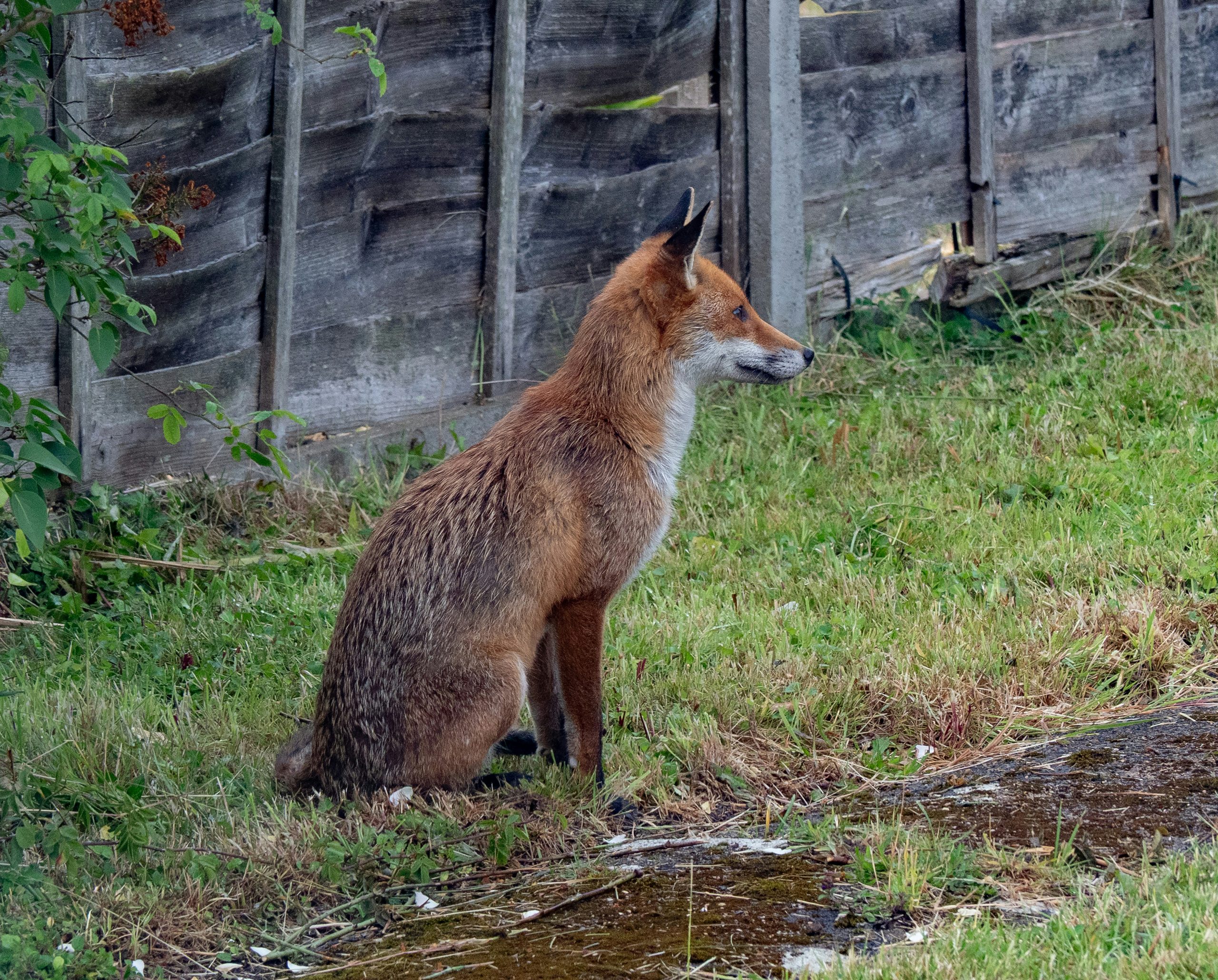
After a rainstorm, foxes shift their movement patterns by traveling along newly washed ground where scents become sharper and easier to detect. Their routes turn more winding as they follow the edges of wet grasslands, listening for small animals forced out of burrows by rising moisture. Foxes slow their pace, stopping often to test the air, since damp conditions carry scent farther than dry soil. They inspect ditches, fallen branches, and shallow puddles where prey may gather. This heightened, scent-driven movement gradually fades as the ground dries and odors disperse.