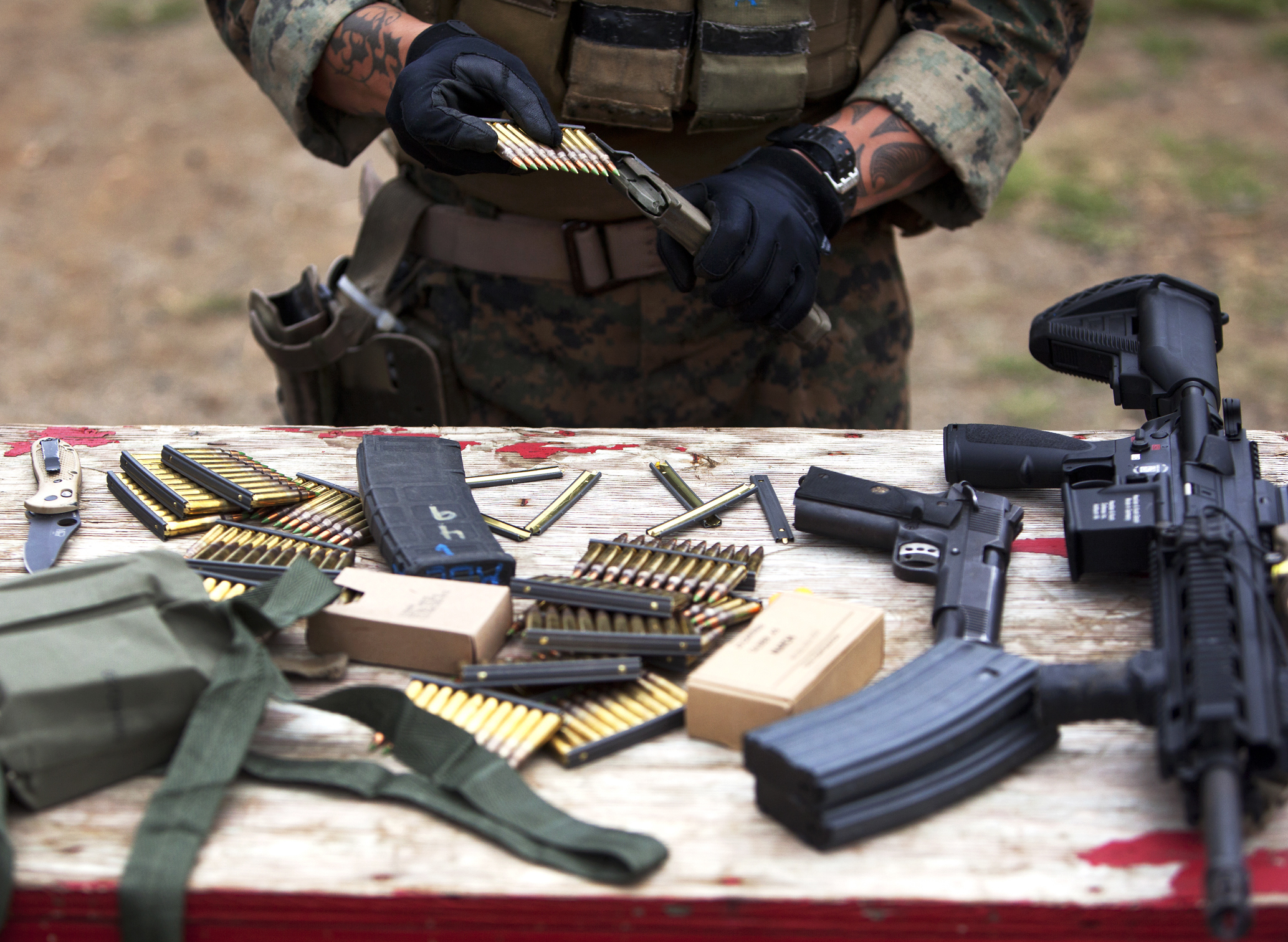
For hunters who value clean harvests and high-quality table fare, meat damage matters just as much as accuracy. Excessive tissue destruction can waste edible meat, affect flavor, and complicate processing. Over decades, hunters have compared bullet designs, velocities, and construction to identify options that strike a balance between ethical lethality and minimal damage. Advances in ammunition engineering now allow hunters to choose loads tailored for controlled expansion, deep penetration, and predictable wound channels. This article explores ten ammunition types commonly cited by experienced hunters as producing the least meat damage when used correctly. Each option reflects field experience, ballistic principles, and practical considerations that help hunters make informed choices without sacrificing humane performance.
1. Full metal jacket rounds
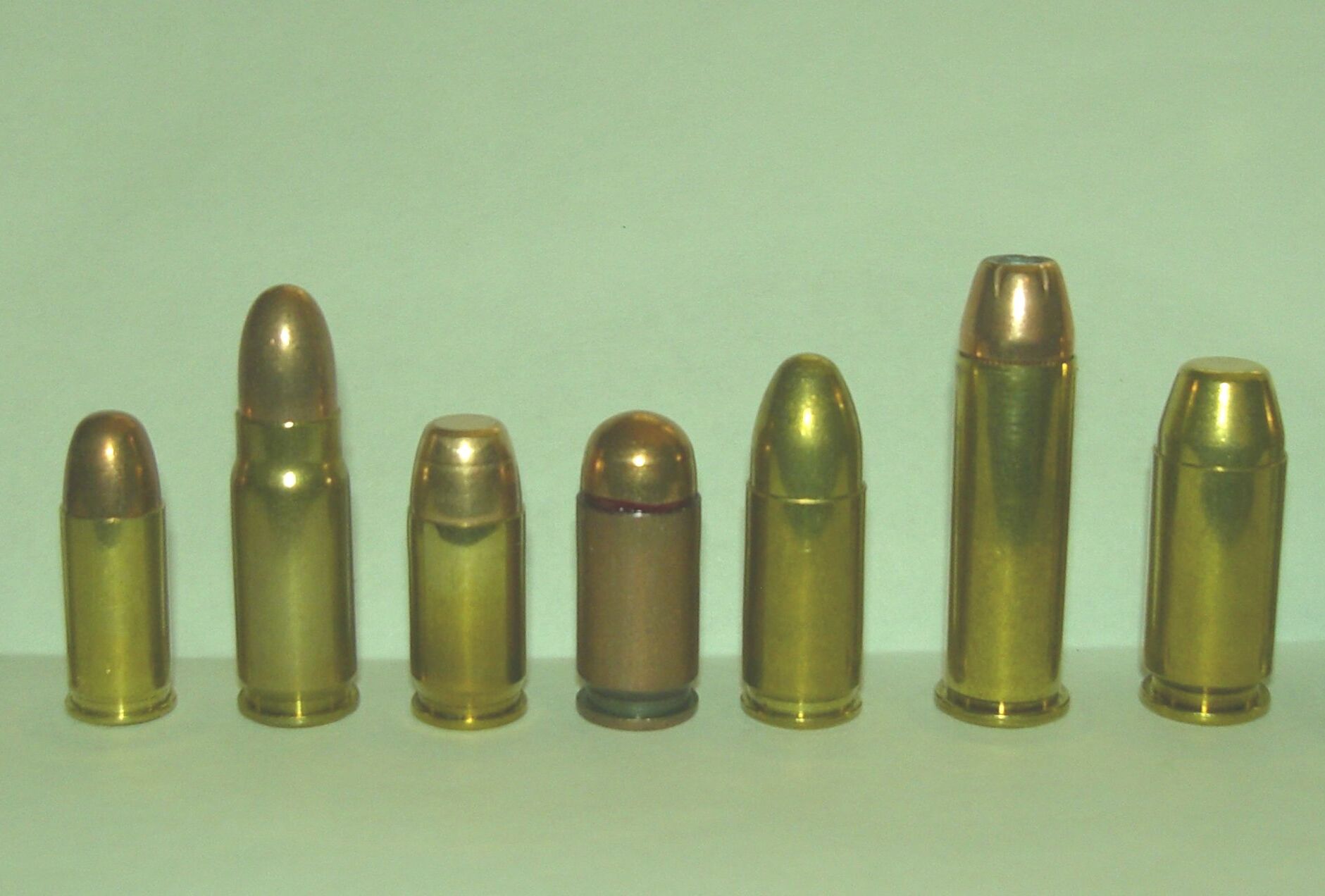
Full metal jacket ammunition features a lead core completely encased in a harder metal jacket, limiting expansion on impact. Hunters note that FMJ rounds tend to pass through game with minimal tissue disruption, creating narrow wound channels. This characteristic often preserves surrounding meat, especially on smaller-bodied animals. However, many states restrict or prohibit FMJ use for big game due to ethical concerns over insufficient energy transfer. When legal and used appropriately, FMJ ammunition can reduce meat loss but requires precise shot placement to ensure humane harvests.
2. Controlled-expansion soft point bullets
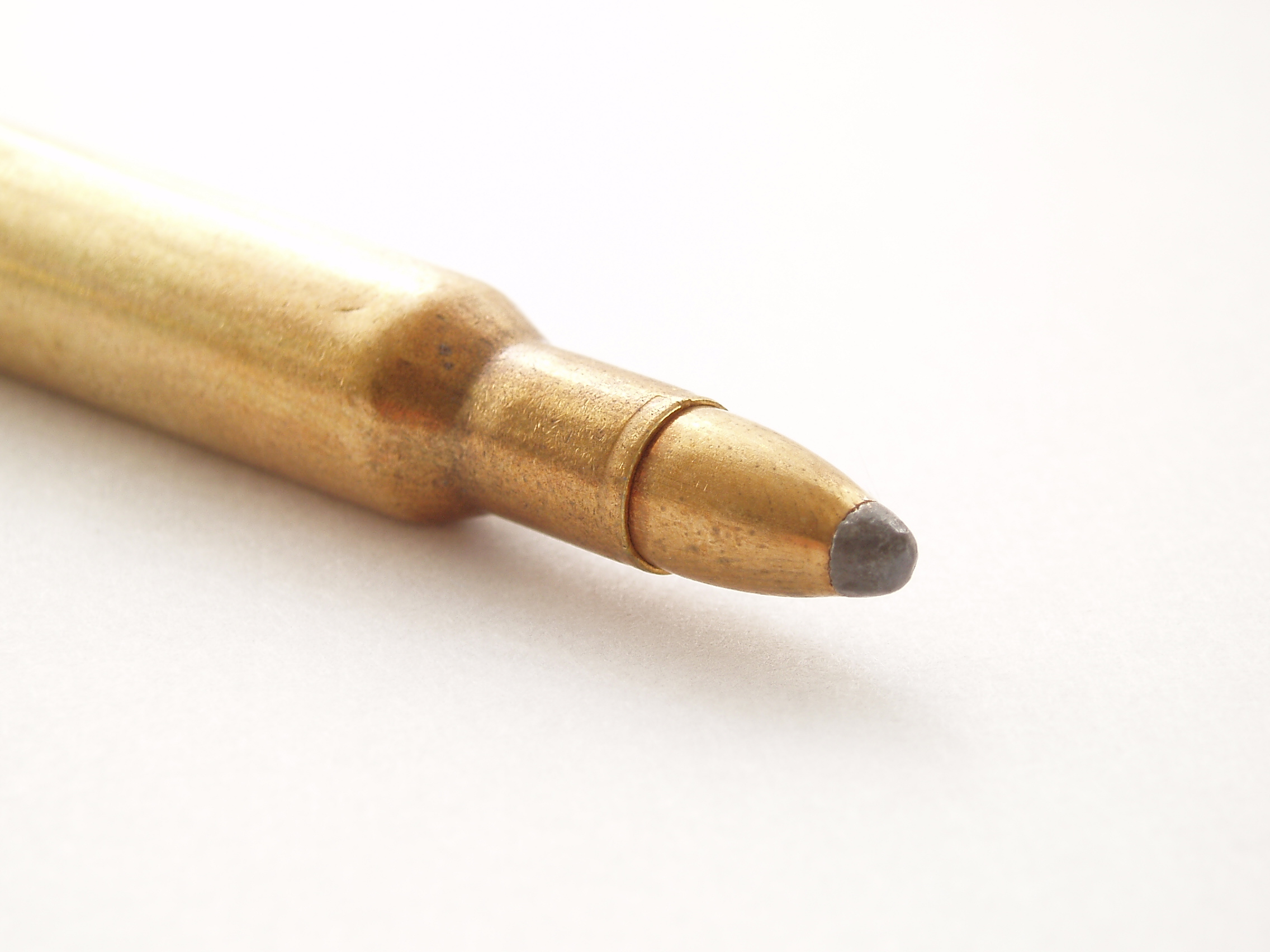
Soft point bullets expose a small portion of lead at the tip, allowing controlled expansion rather than explosive fragmentation. Hunters report that traditional soft points expand reliably while maintaining enough mass to penetrate vital organs without excessive tearing. This balance limits bloodshot meat around the wound. Soft points have been trusted for decades across a wide range of calibers and game sizes. Their predictable behavior makes them a popular choice for hunters focused on preserving meat while achieving effective terminal performance.
3. Bonded core bullets
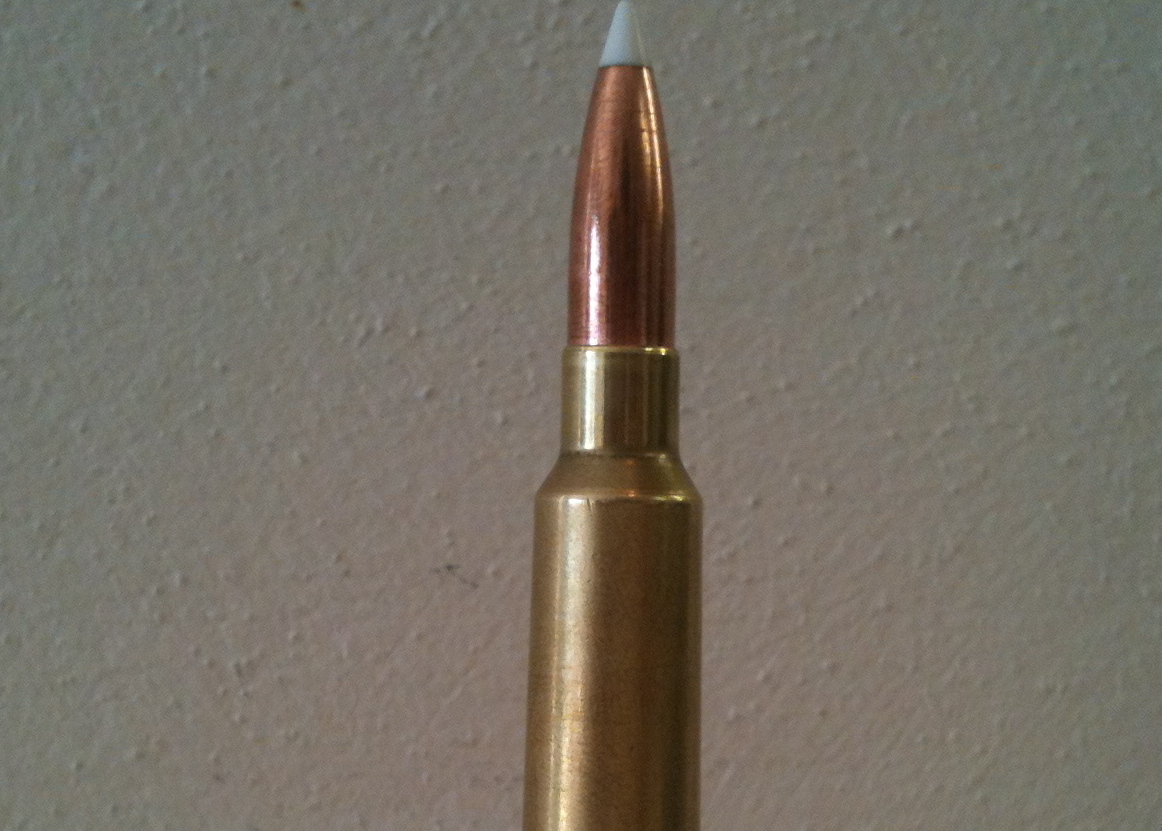
Bonded bullets chemically or mechanically fuse the jacket to the lead core, preventing separation upon impact. Hunters praise bonded designs for deep, straight penetration and moderate expansion. Because the bullet holds together, it avoids creating secondary fragments that can shred muscle tissue. This results in cleaner wound channels and less meat loss, especially on broadside shots. Bonded ammunition performs consistently across varying distances, making it a reliable option for hunters who prioritize meat preservation.
4. Monolithic copper bullets
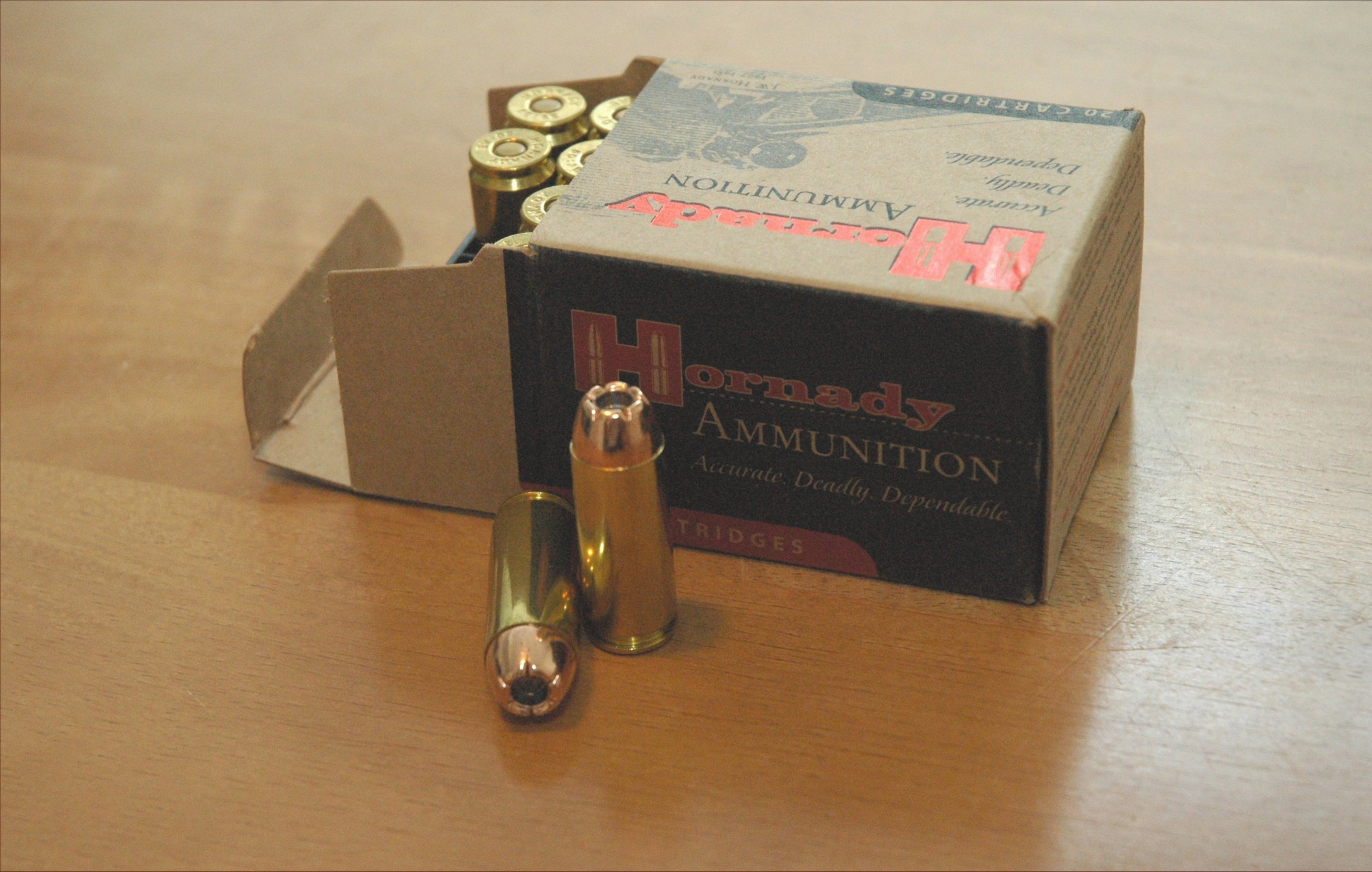
Monolithic bullets, often made entirely from copper or copper alloys, are designed to expand in controlled petals without fragmenting. Hunters frequently cite these bullets for producing minimal meat damage while still delivering excellent penetration. The lack of lead fragments reduces tissue destruction beyond the primary wound path. Copper bullets often exit the animal cleanly, aiding tracking. Their performance has made them popular in regions requiring lead-free ammunition and among hunters focused on clean harvests.
5. Round nose bullets
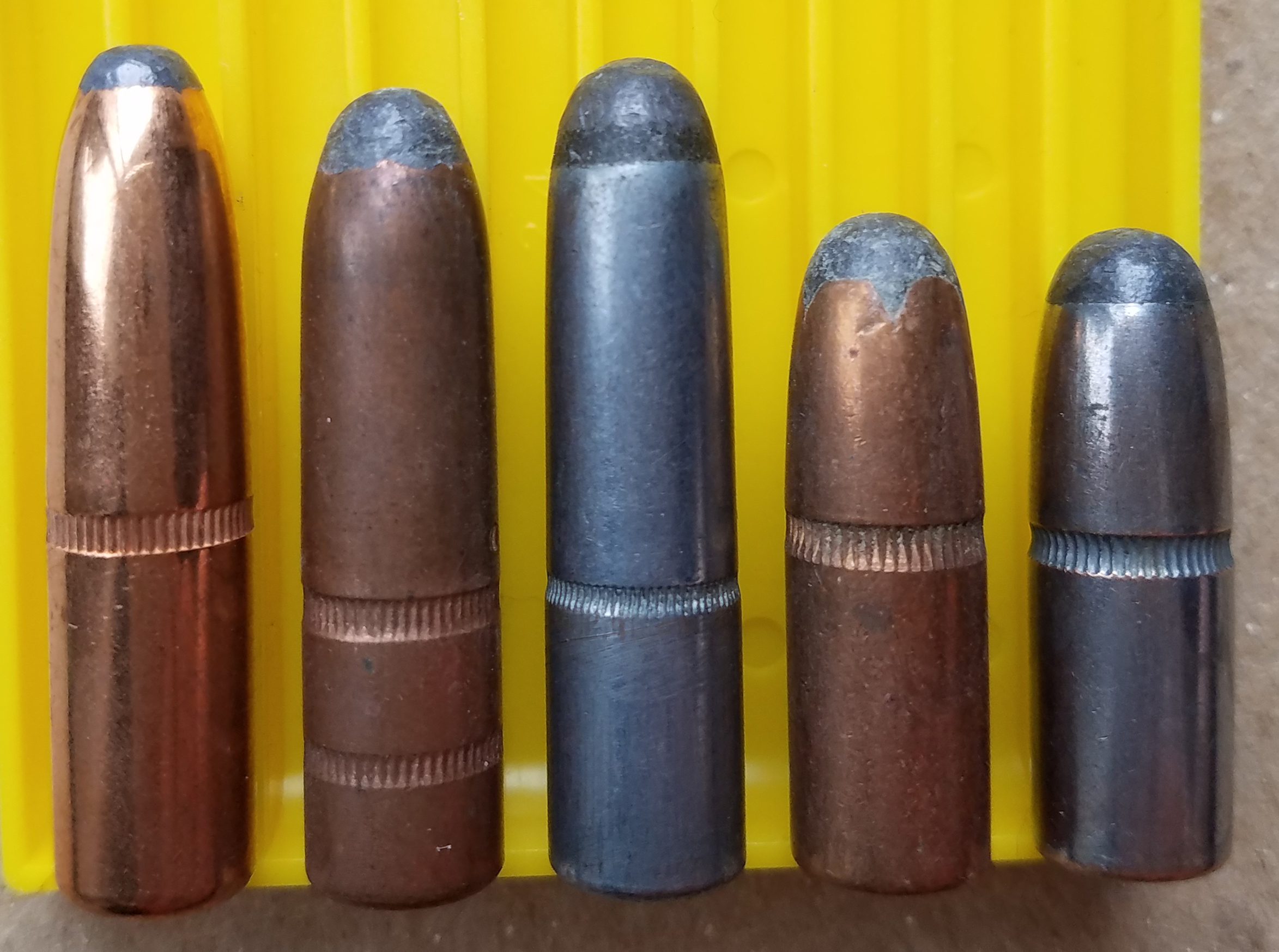
Round-nose bullets travel at moderate velocities and expand slowly compared to modern pointed designs. Hunters using traditional cartridges note that round-nose bullets create wider but less violent wound channels. This controlled energy transfer often limits extensive meat damage. They are particularly favored for woods hunting at shorter ranges, where high velocity is unnecessary. While less aerodynamic, their predictable expansion makes them a meat-friendly choice under the right conditions.
6. Reduced velocity loads
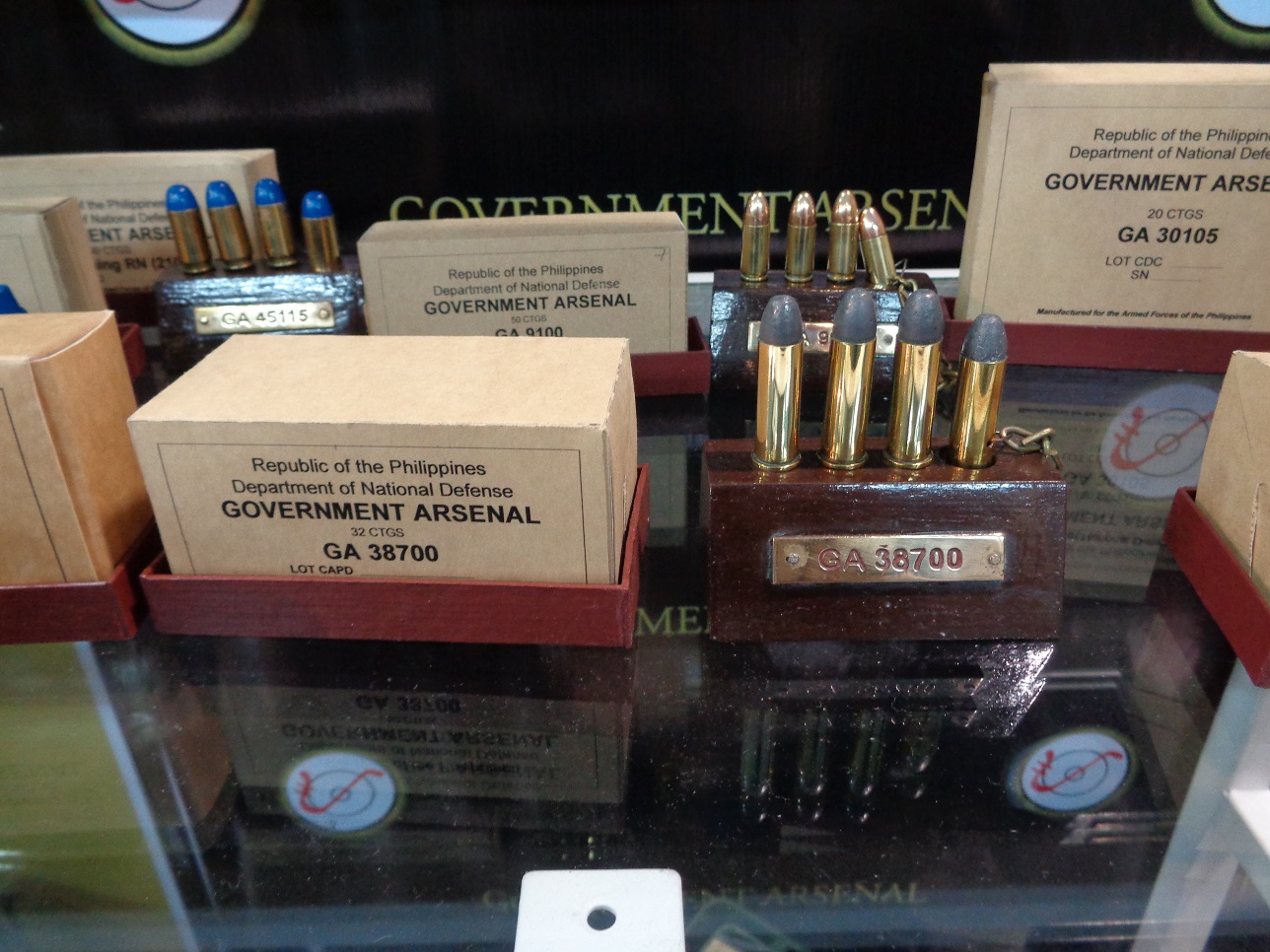
Reduced velocity ammunition lowers impact speed, decreasing hydrostatic shock and tissue disruption. Hunters often use these loads in cartridges designed for higher velocities to minimize meat loss on close-range shots. By slowing expansion, reduced velocity rounds maintain lethality while preserving more edible meat. Proper bullet selection remains critical, as overly slow expansion can affect effectiveness. When matched correctly, reduced velocity loads offer a practical solution for hunters prioritizing meat quality.
7. Traditional lead round ball ammunition
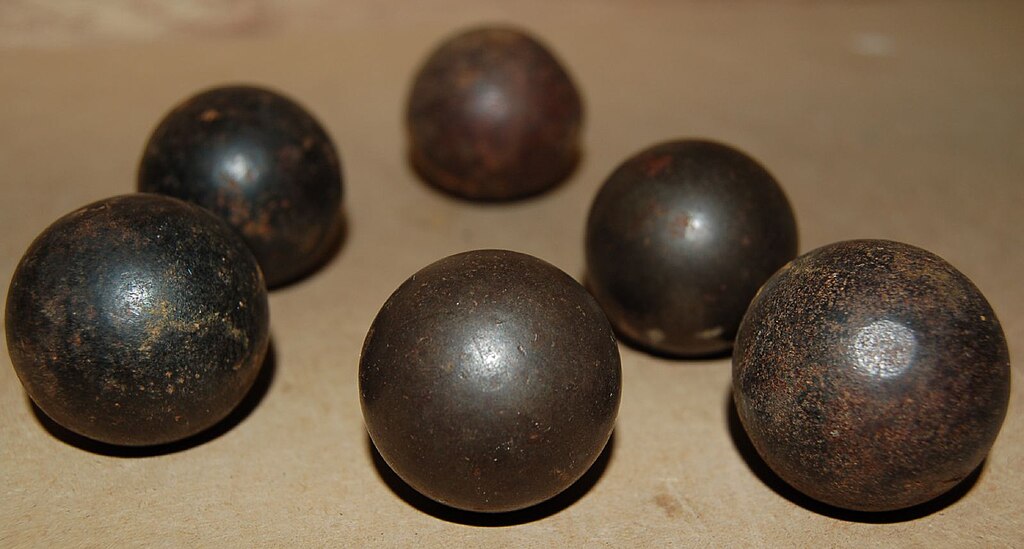
Used primarily in muzzleloaders, lead round balls travel at relatively low velocities and expand minimally. Hunters report that these projectiles create straightforward wound channels with limited tissue damage when shots are well placed. The simplicity of the design results in predictable performance. While range and accuracy are limited compared to modern ammunition, round balls remain valued for their meat-preserving qualities and historical reliability.
8. Hard cast lead bullets
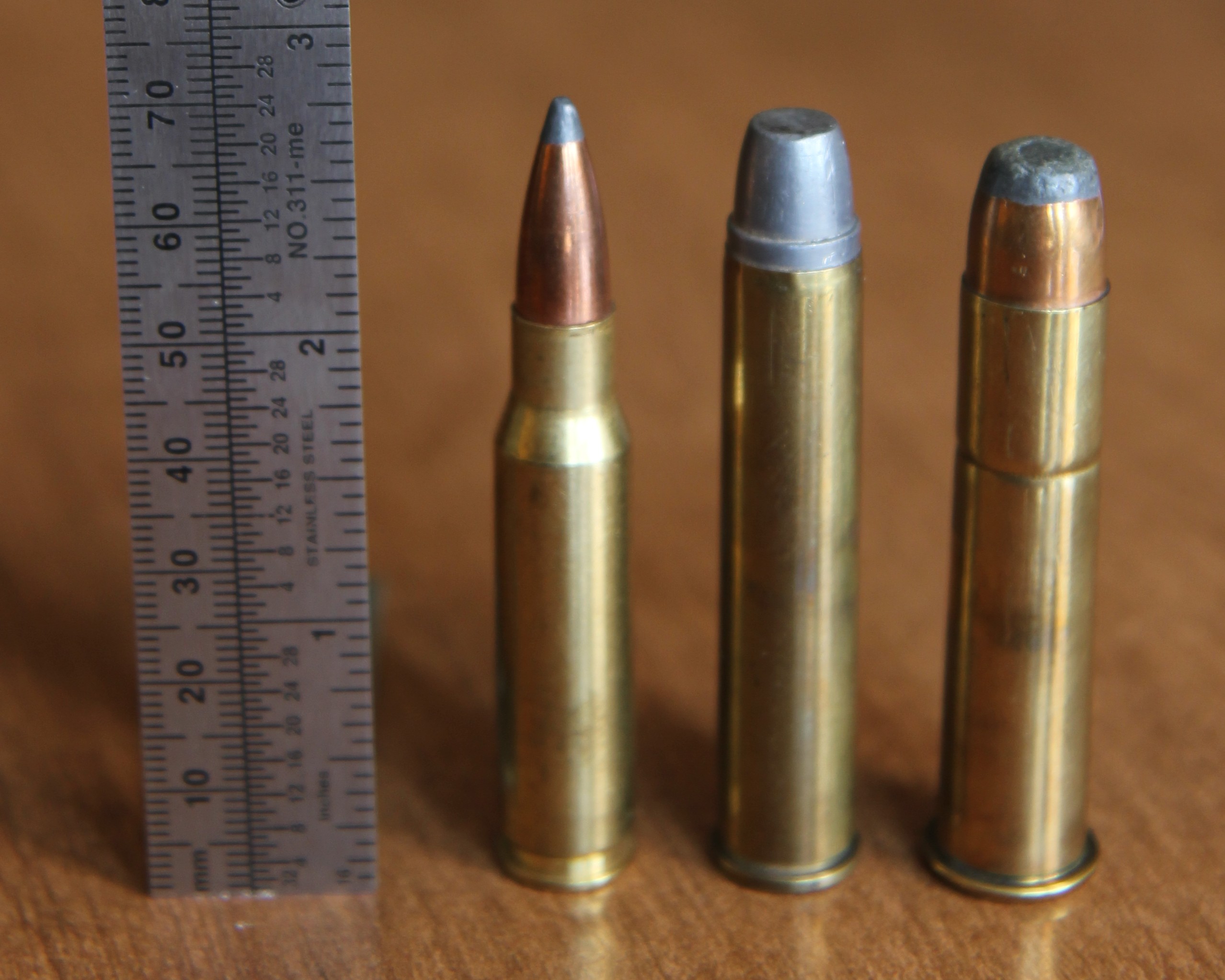
Hard cast bullets are made from lead alloys designed to resist deformation. Hunters using straight-walled cartridges or handguns note that these bullets penetrate deeply without expanding dramatically. The result is minimal meat damage beyond the immediate wound path. Hard cast bullets require careful shot placement but are praised for their efficiency and meat preservation, particularly on medium-sized game.
9. Partition-style bullets
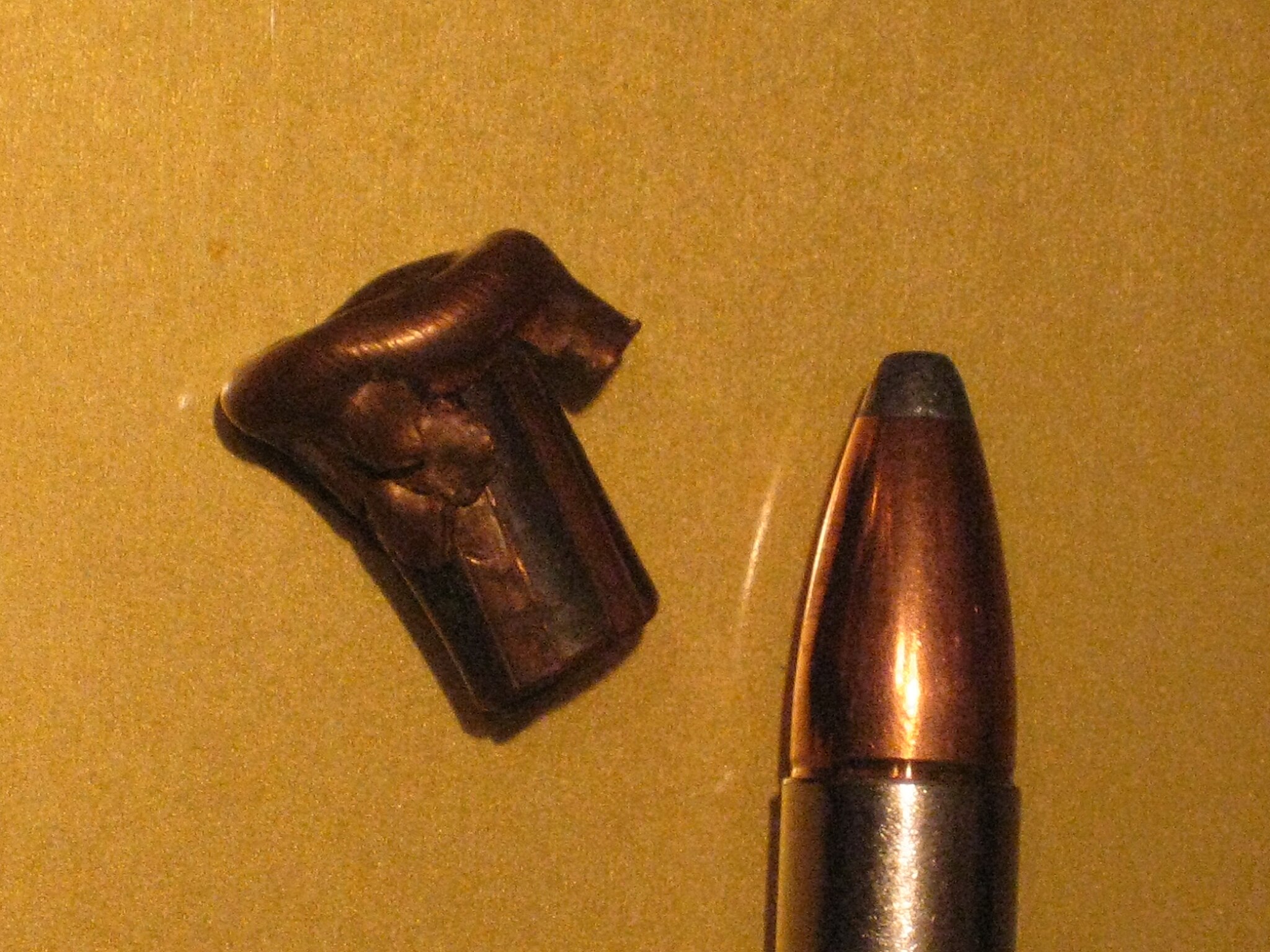
Partition bullets use a dual-core design that allows the front section to expand while the rear remains intact. Hunters value this design for combining controlled expansion with deep penetration. The front core creates an effective wound channel, while the rear core prevents over-expansion and fragmentation. This controlled behavior limits meat damage compared to highly frangible bullets, making partitions a long-standing favorite among experienced hunters.
10. Subsonic hunting ammunition
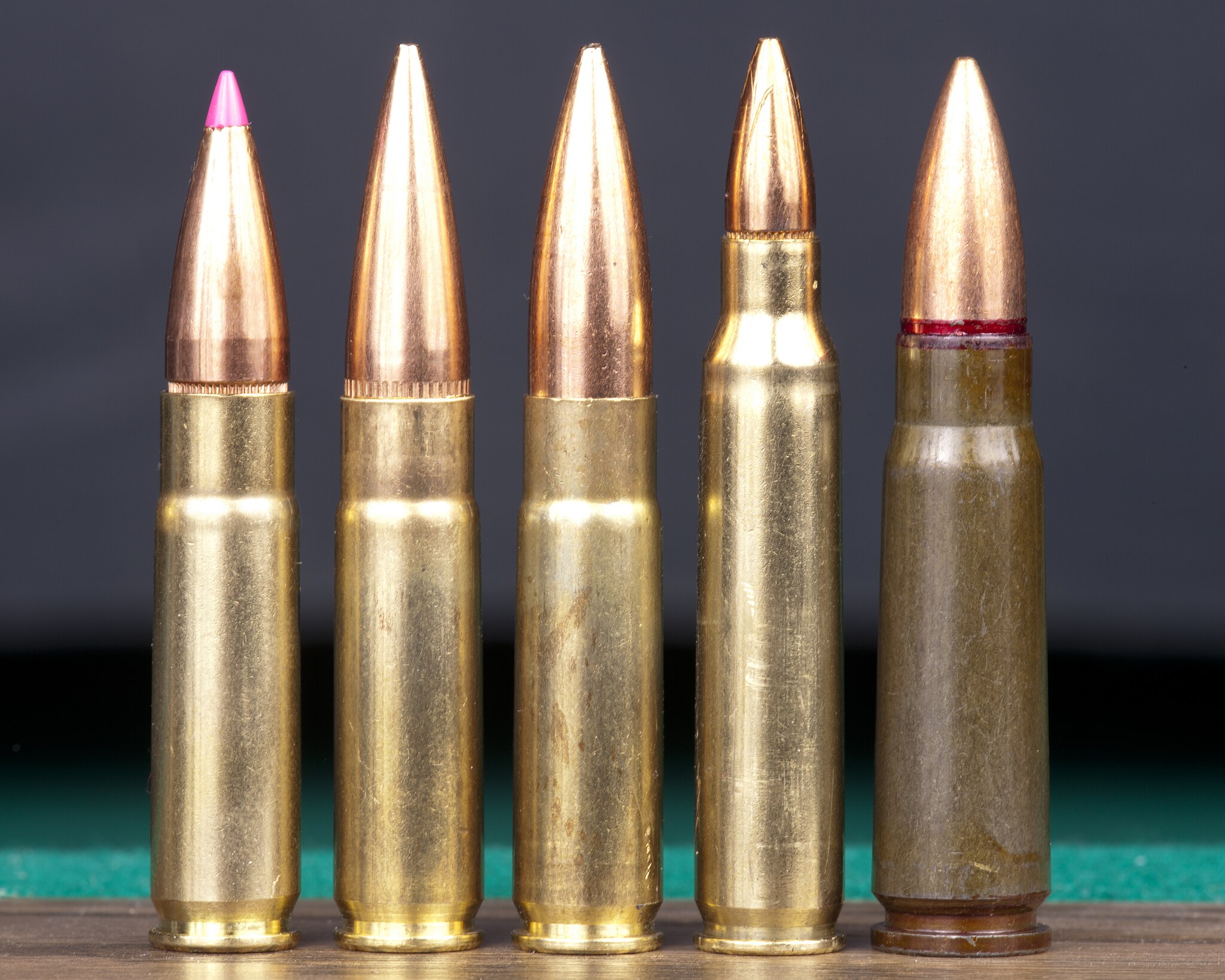
Subsonic ammunition travels below the speed of sound, significantly reducing velocity-related tissue damage. Hunters using suppressed firearms or specialized platforms report clean, narrow wound channels with minimal meat loss. These rounds rely heavily on precise shot placement and appropriate bullet construction. When used within their effective range, subsonic loads can provide humane harvests while preserving maximum edible meat.