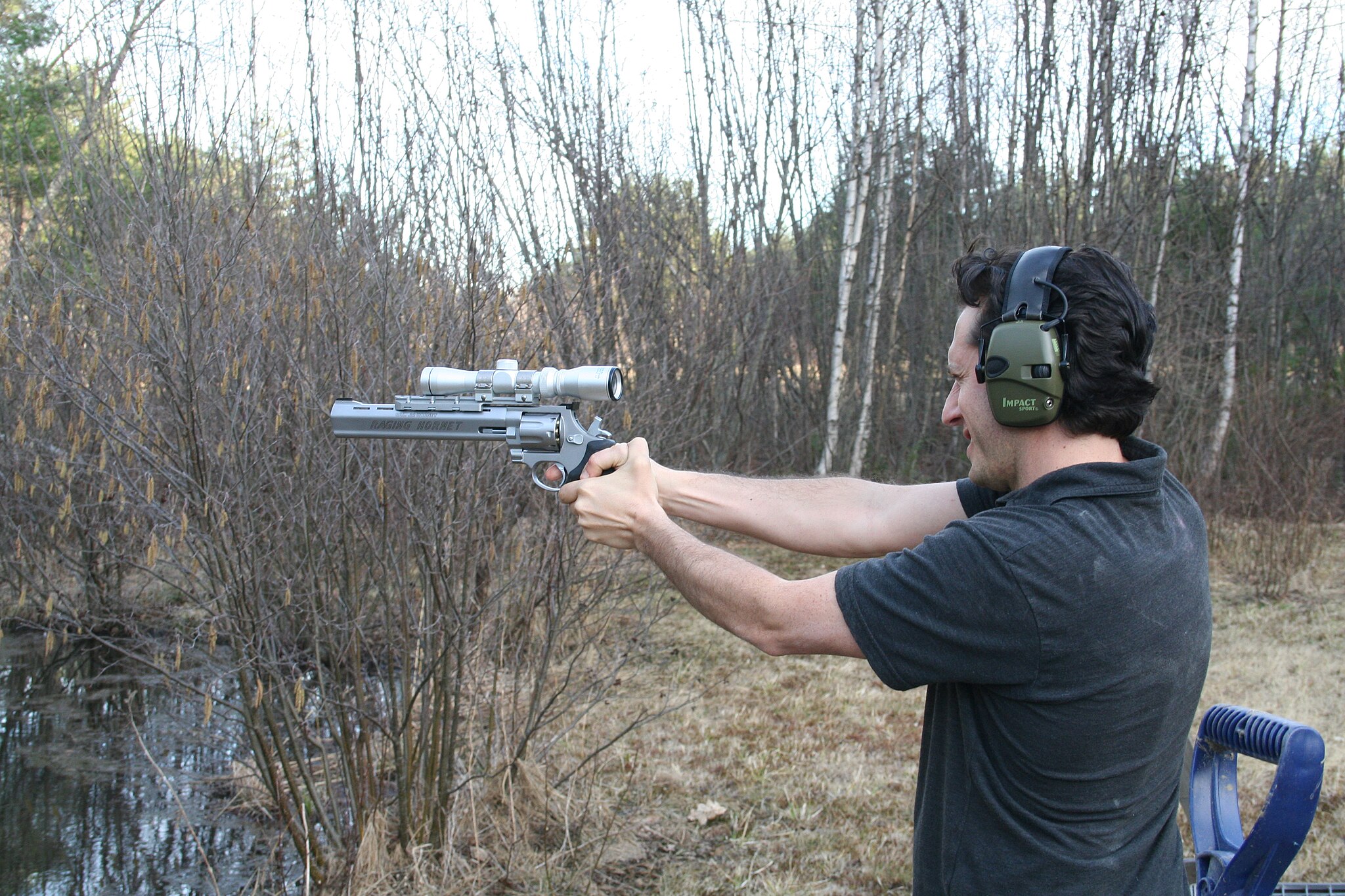
Shooters who grow up on semi-automatic pistols often assume revolvers are mechanically simple and nearly immune to surprises. After all, there is no magazine, no slide, and no cycling energy to worry about. Yet revolvers operate on a very different set of mechanical relationships, and some of their quirks only become obvious when something goes wrong. One of the most misunderstood aspects involves how precisely the internal parts must align for safe, consistent operation. Unlike many semi-autos, where small variations may go unnoticed, a revolver’s tolerances directly influence timing, pressure, and bullet travel. This creates a category of problems that can catch even experienced handgun owners off guard. Understanding this difference is essential not only for reliability but also for diagnosing issues before they escalate into accuracy loss or accelerated wear.
Cylinder Gap and Timing Sensitivity
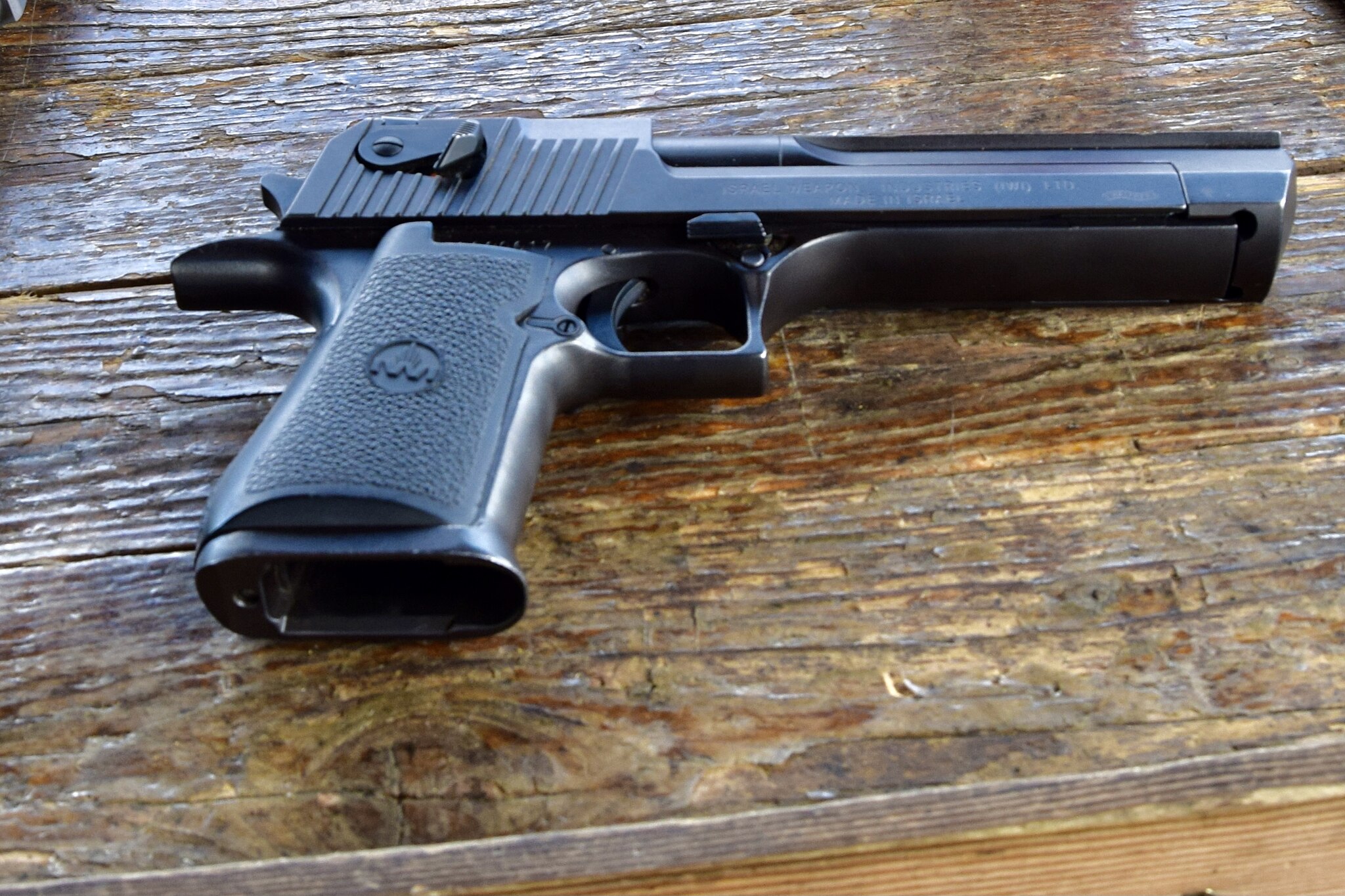
A revolver’s defining feature, the rotating cylinder, introduces a challenge that semi-auto shooters rarely consider. Each chamber must align perfectly with the barrel at the exact moment of firing. This alignment is governed by timing, a relationship between the trigger, hand, bolt, and cylinder rotation. Even slight deviations can produce symptoms that seem mysterious to those accustomed to self-loading designs. Spitting of hot gases or tiny metal particles from the cylinder gap is a classic warning sign. So is inconsistent accuracy that appears despite good ammunition and steady technique. Excessive wear, debris buildup, or subtle part deformation can all disturb timing. The surprising part is how gradually these issues may develop. A revolver can feel normal during handling, yet exhibit measurable mechanical drift. Recognizing the importance of cylinder gap behavior and rotational lockup helps shooters identify problems early, long before obvious failures occur.